
Last updated November 22, 2026
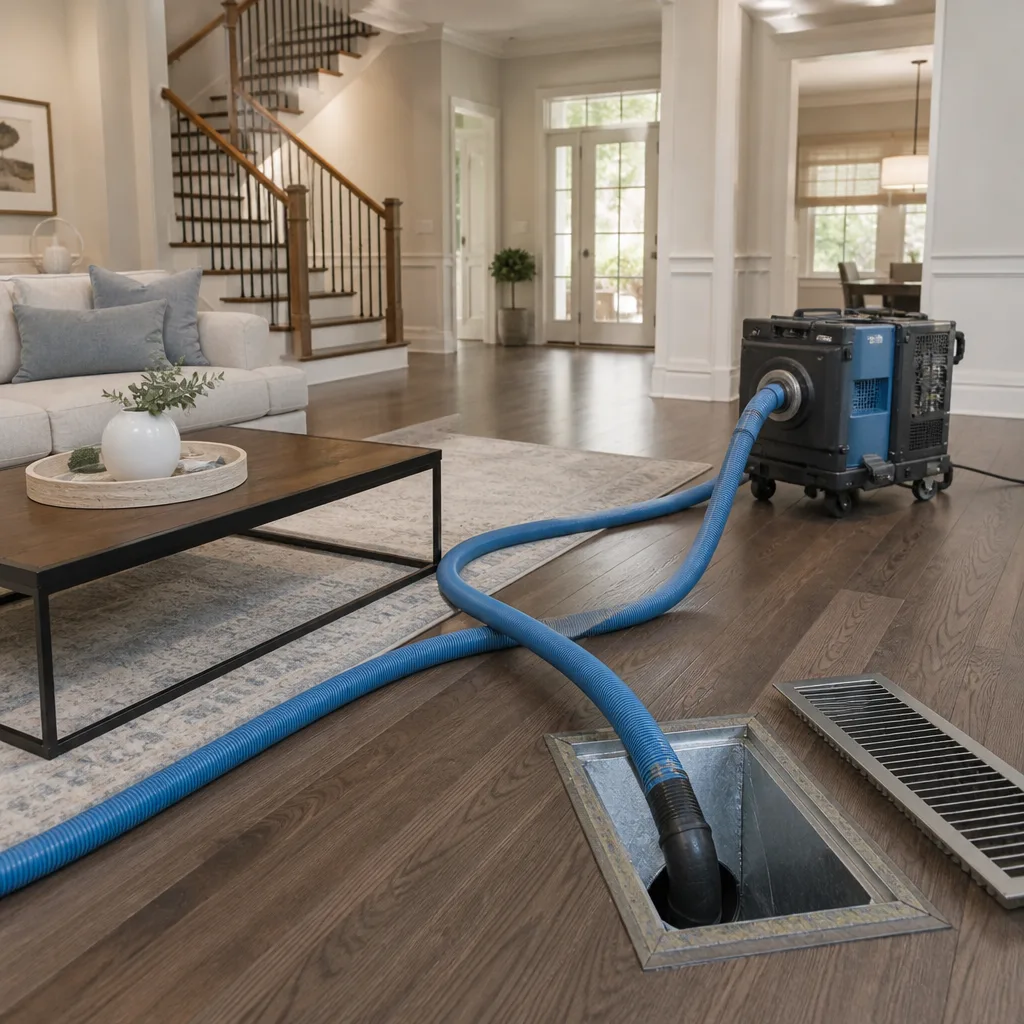 Whole-home duct cleaning
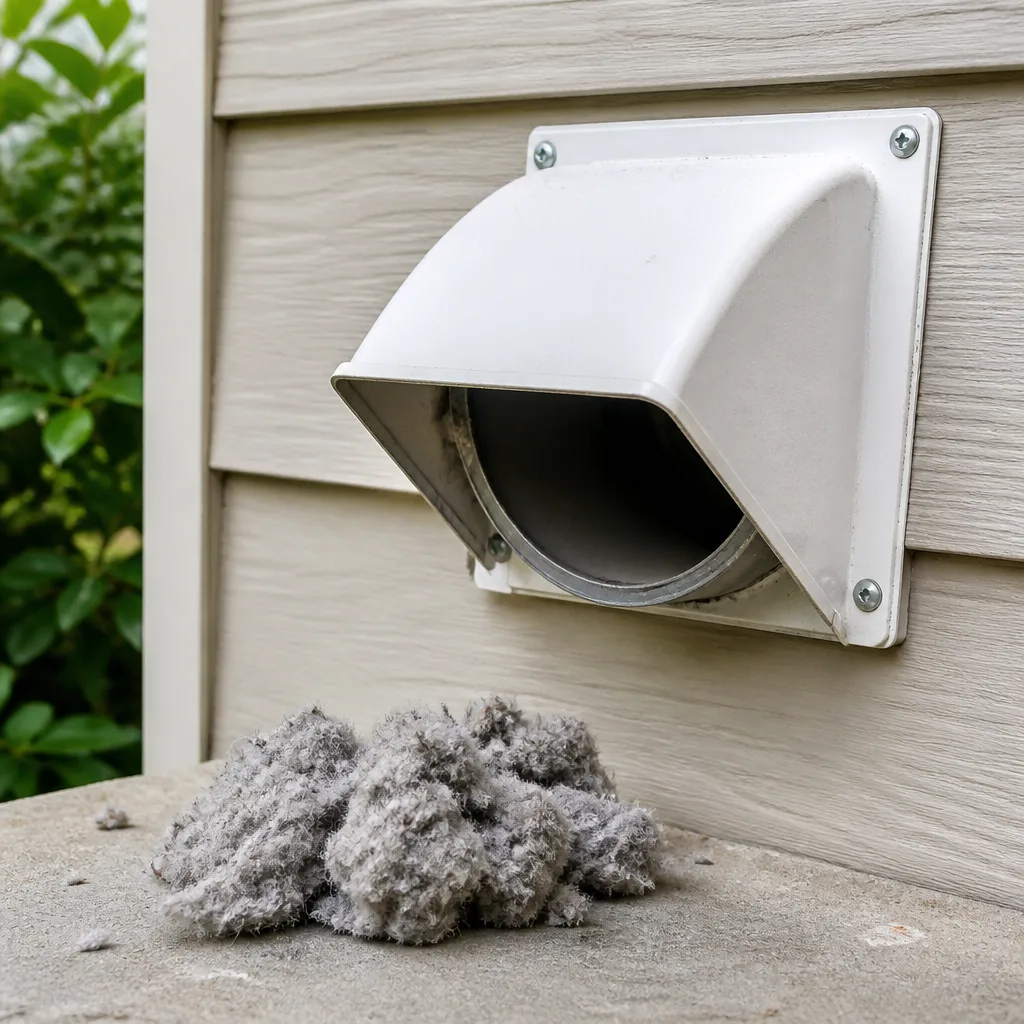 Dryer vent cleaning
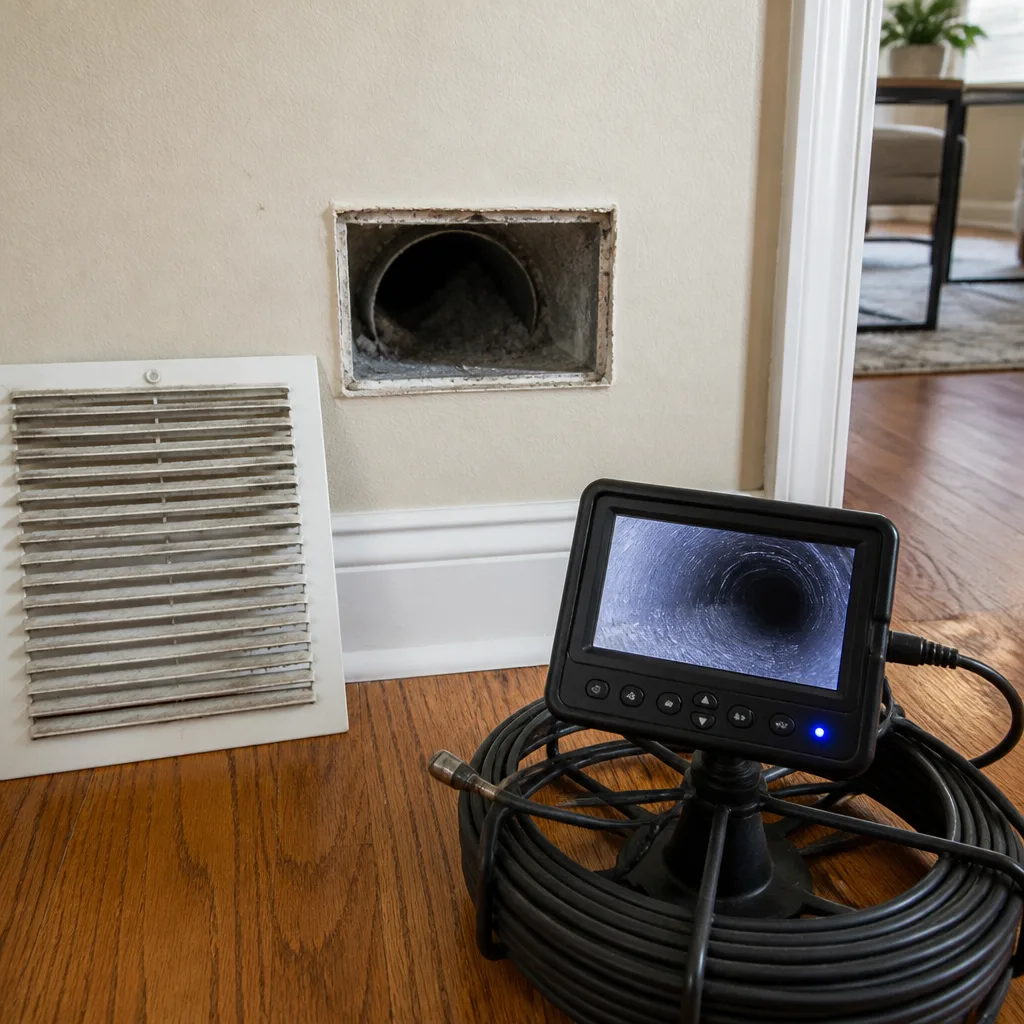 Camera inspection
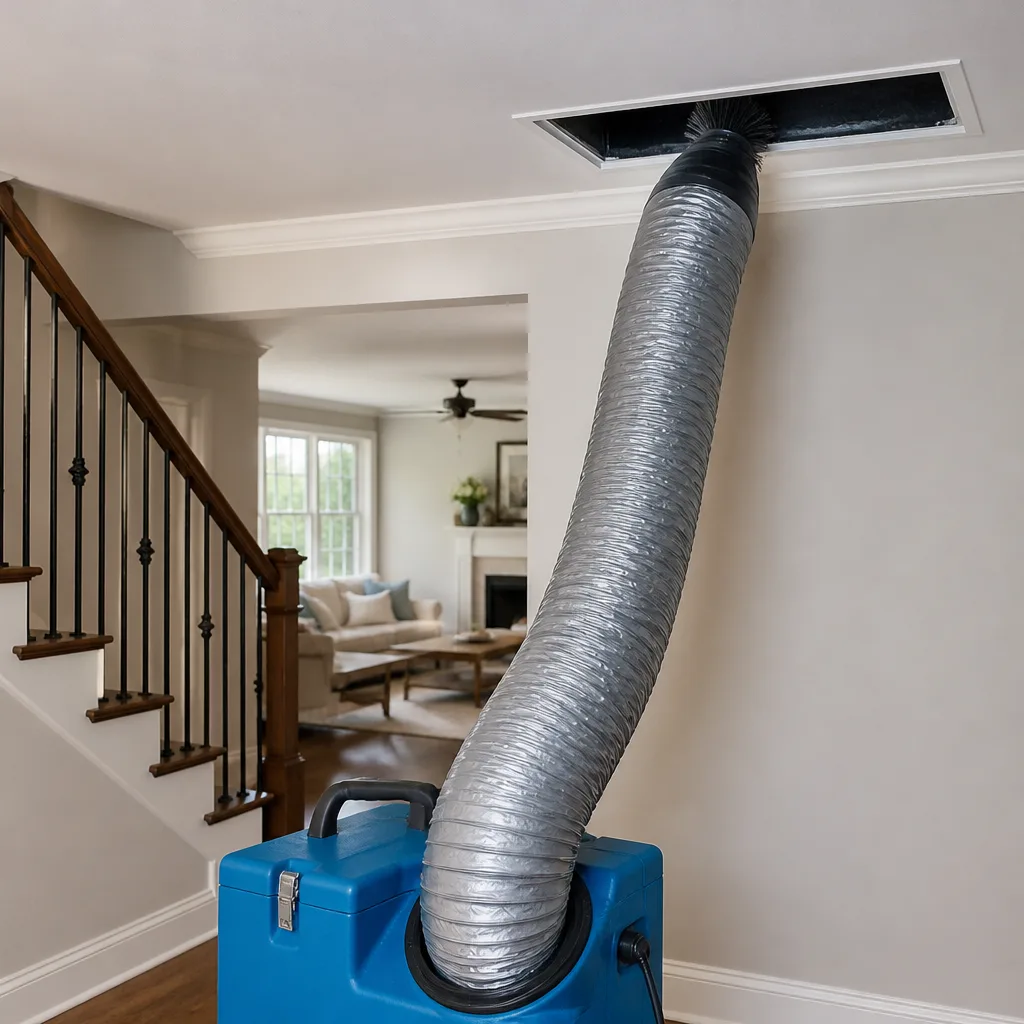 Sanitizing & deodorizing
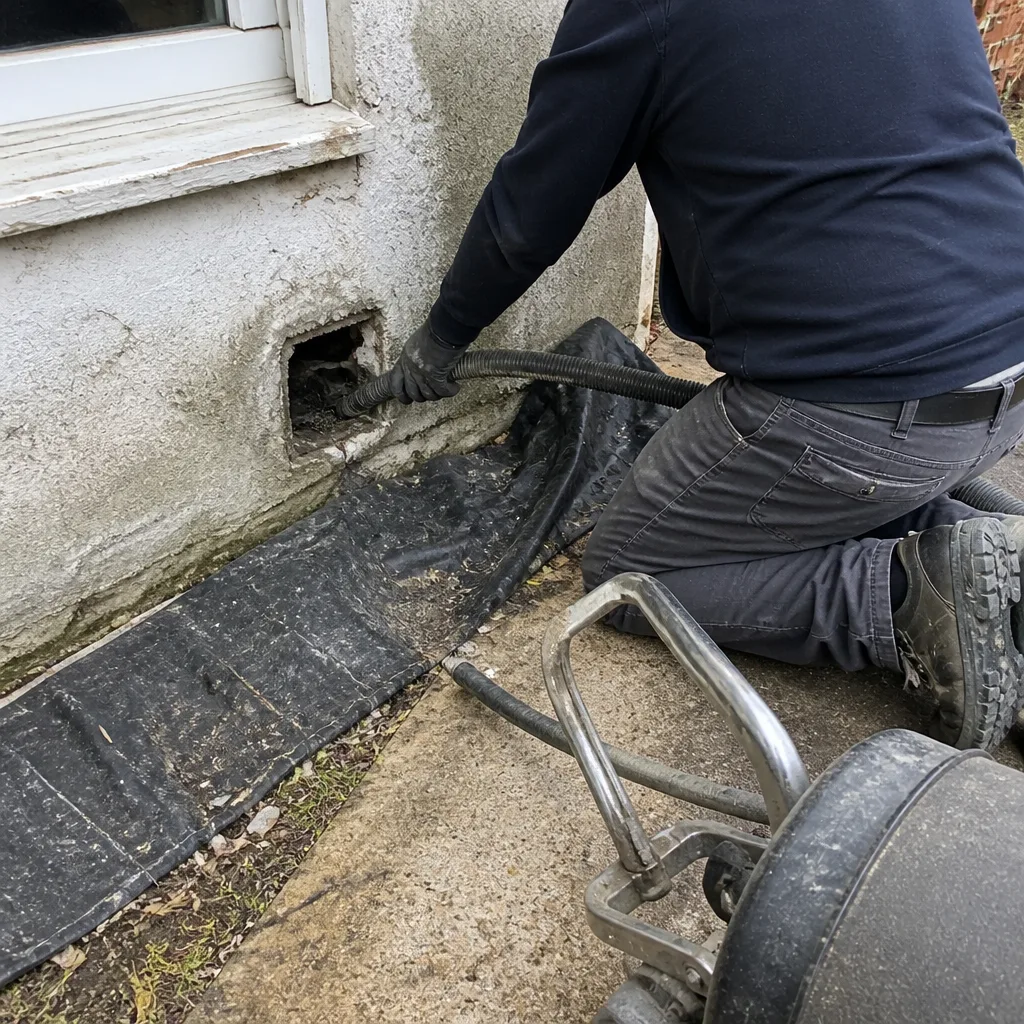
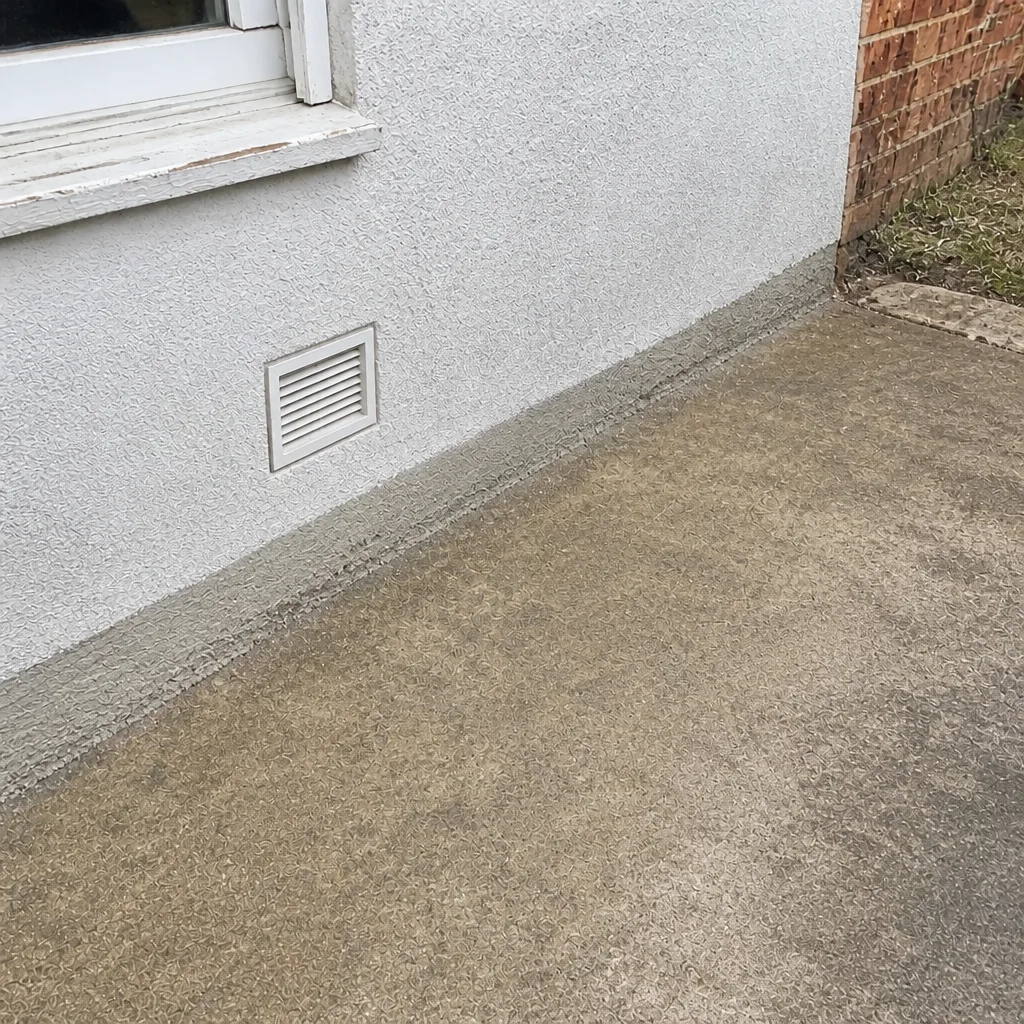
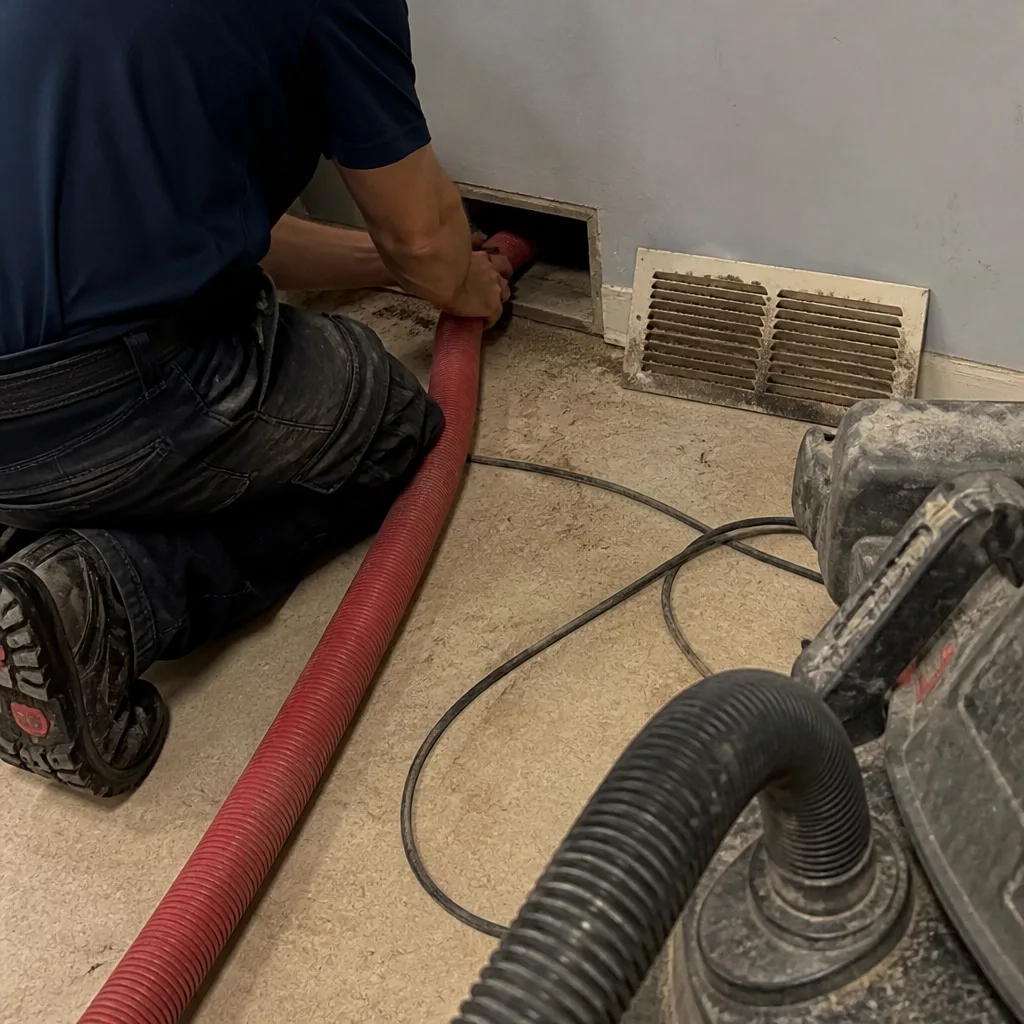
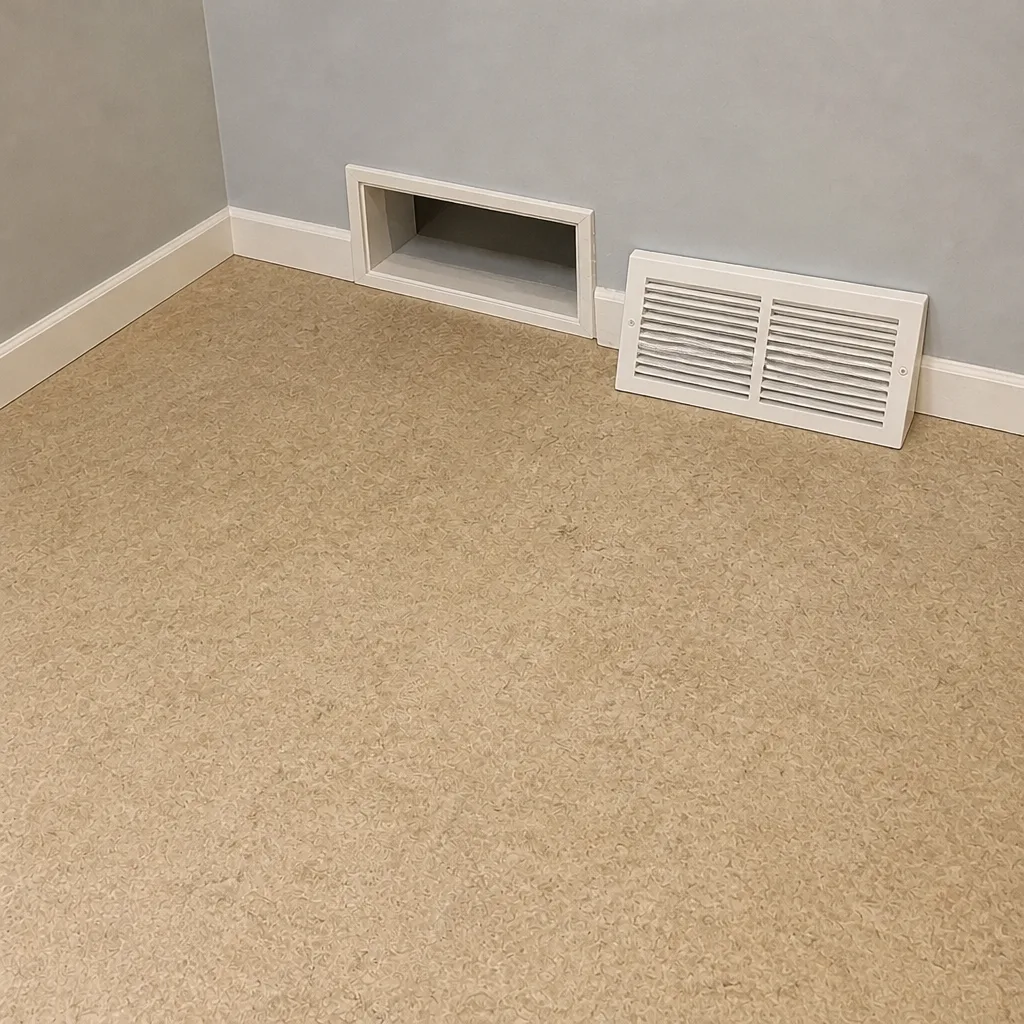
Whole-system duct and dryer vent check with before-and-after photos - you see exactly what came out of your vents
That "$99 whole-house special" is a bait ad - the real number appears once they are in your hallway, or the "clean" is a shop-vac at the register. We photograph the inside of your ducts before and after instead.
Air Duct Cleaning Warning Signs: An Oxford Circle Homeowner’s Reference Guide
If one room in your Oxford Circle rowhouse runs 4 to 6 degrees warmer or cooler than the thermostat setting, the ducts are more likely the cause than the HVAC unit itself. Most homeowners call an HVAC technician first and pay for a service call that ends with the same answer: the equipment is fine, the air just isn’t getting where it needs to go. The warning signs worth acting on are rarely dramatic. They’re subtle shifts in performance, smell, and dust that show up weeks before a duct problem becomes an expensive one. This guide walks through what to watch for in an Oxford Circle home, how to test for it yourself, and when to bring in professional equipment.
Quick Answer
The main warning signs of dirty or failing air ducts in Oxford Circle are uneven room temperatures, musty odors that appear when the system starts up, dust that settles back within 48 hours of cleaning, rust streaking around basement return grilles, and allergy symptoms that track with HVAC runtime. If you notice two or more of these, the ducts are the likely source and a diagnostic inspection is worth the call. A cleaned but leaking duct system still wastes energy, so the fix usually means cleaning, sealing, and checking the whole air pathway rather than one pass with a vacuum.
Styles & brands we work with
- Whole-home duct cleaning
- Dryer vent cleaning
- Camera inspection
- Sanitizing & deodorizing
Table of Contents
- Why Uneven Room Temperatures Point to Ducts, Not Equipment
- The Room-by-Room Test to Run Before You Call Anyone
- What the Timing of a Musty Smell Tells You
- The 48-Hour Dust-Settling Test
- Rust Streaking on Basement Return Grilles in Older Rowhouses
- Allergy Symptoms That Track With Your HVAC Runtime
- The Warning Sign Most Homeowners Miss: The Dryer Vent
- Why Cleaning Alone Doesn’t Close the Loop
Why Uneven Room Temperatures Point to Ducts, Not Equipment
A 4 to 6 degree spread between rooms is the single most common duct warning sign we see, and it’s the one most often misdiagnosed. When an HVAC unit is failing, it usually fails everywhere at once: the whole house struggles, or the system short-cycles, or the blower gets loud. When the ducts are the problem, the house splits into winners and losers. Rooms close to the main trunk stay comfortable. Rooms at the end of a long run, or on a second floor fed by a branch that leaks, run hot in summer and cold in winter.
The reason is simple physics. Air takes the path of least resistance. A gap at a joint, a crushed flex run behind a finished wall, or a return that’s undersized for the room it serves all pull conditioned air away from where it’s needed. In Oxford Circle’s older rowhouses, the runs are often original and tucked into tight chases between units, which makes leaks hard to see without inspection equipment.
Getting the diagnosis right matters because the fixes are different. A duct repair and sealing job addresses the leaks and rebalances airflow. Replacing equipment that wasn’t the problem just spends money twice. Before anyone touches the furnace or the condenser, the ducts deserve a look.
Signs the Problem Is Duct-Side
- Some rooms are consistently off while others are fine, and the pattern doesn’t change with the season.
- The system runs longer than it should to reach the set temperature.
- Airflow at the registers feels weak in specific rooms rather than everywhere.
- The blower sounds normal and there are no unusual noises from the equipment itself.
The Room-by-Room Test to Run Before You Call Anyone
You can narrow down a duct problem in about 20 minutes with nothing more than a thermometer and a notepad. The goal is to find out whether the issue follows rooms (duct-side) or follows the whole house (equipment-side). Do this once on a hot afternoon and once on a cold morning if you can.
- Set the thermostat to a single temperature and let the system run for at least 30 minutes without interruption. Don’t adjust it mid-test.
- Write down each room’s name and its actual temperature using a digital thermometer held at chest height, away from windows and exterior walls.
- Note the register airflow in each room. Hold a tissue or a strip of paper in front of each supply grille and record whether it flutters strongly, weakly, or not at all.
- Record which rooms are on the second floor or at the end of the longest duct run. These are the usual suspects.
- Compare the spread. A 2 to 3 degree difference is normal. A consistent 4 to 6 degree difference that follows specific rooms points to the ducts.
- Repeat on a day with the opposite weather to confirm the pattern holds.
If the whole house runs hot or cold together, or the equipment short-cycles, the problem is more likely on the HVAC side and an HVAC cleaning and inspection is the better starting point. If specific rooms misbehave while the rest are fine, book air duct cleaning with a diagnostic inspection first. That test tells the technician where to look instead of guessing.
What the Timing of a Musty Smell Tells You
A musty smell in the first 30 to 60 seconds after the system starts, then fading, is a different problem from a smell that never goes away. This distinction saves homeowners a lot of guesswork.
Odor only on startup usually means contaminants are sitting in the ductwork or on the evaporator coil and get pushed into the room when the blower kicks on. The air movement stirs up what’s been settling during the off cycle. Once the initial burst passes, the smell fades because the loose material has already moved through. That’s a cleaning and sanitizing issue, and it responds well to professional cleaning plus a microbial treatment.
Odor that persists through the whole runtime suggests a moisture source. In Oxford Circle rowhouses, that often means condensation on a coil, a duct run that passes through a damp basement or crawlspace, or a return grille pulling air from a humid area. If the smell is present even when the fan is off, the source may not be the ducts at all. It could be standing water, a plumbing leak, or a damp basement. Cleaning ducts without finding the moisture just resets the clock.
What This Means for Your Next Step
- Startup-only odor: schedule cleaning and sanitizing of the duct system and check the coil.
- Persistent odor with the fan off: find the moisture source first, then clean.
- Odor only in one room: a disconnected joint or a dead run may be pulling air from an unconditioned space nearby.
The 48-Hour Dust-Settling Test
Dust that comes back within 48 hours of wiping a surface is a strong indicator that the dust is still being delivered through the air supply, not just settling from open windows or foot traffic. Here’s how the test works.
- Pick a hard surface in a room such as a windowsill, shelf, or the top of a door frame. Avoid fabric and carpet.
- Wipe it clean with a damp cloth. Note the time.
- Don’t dust anything else in that room for 48 hours. Keep windows closed if you can.
- Check the surface again at the 48-hour mark. A thin, even film suggests normal background dust. A pronounced layer that reappears quickly, especially on surfaces near supply registers, points to the ducts moving dust into the room.
The pattern matters as much as the amount. Dust concentrated near registers or directly under supply vents is telling you where it’s coming from. Dust that’s heavier near exterior doors and windows is more likely coming from outside. If the reappearing dust is dark gray or blackish, it may be carrying soot or breakdown debris from within the system, which is a sign worth inspecting promptly. Professional equipment like Rotobrush and Nikro systems is designed to pull that material out at the source rather than redistributing it into the room, which is why the cleaning method matters here.
Rust Streaking on Basement Return Grilles in Older Rowhouses
Rust streaking around basement return grilles is a warning sign that’s specific to Oxford Circle’s older housing stock, and it’s easy to miss because it develops slowly. Many of these homes have return ducts that pass through or terminate in a basement that sees seasonal humidity swings. When that ductwork is uninsulated or poorly sealed, condensation forms on the interior surfaces during the cooling season and doesn’t fully dry in between cycles.
The rust itself isn’t the main issue. What matters is what rust indicates. Metal that has been repeatedly wet suggests nearby insulation may be damp, joints may be compromised, and the interior of the duct may be supporting conditions where microbial growth takes hold. Streaking on the grille face is often the visible part of a bigger picture inside the run.
What the Rust Pattern Suggests
- Light surface rust on the grille only: likely humidity exposure, worth inspecting but not urgent.
- Rust streaks running down the wall below the grille: active condensation, and the duct needs sealing and possibly insulation work.
- Rust plus a musty smell in the basement: damp conditions feeding microbial growth, which calls for sanitizing treatment after the moisture issue is resolved.
- Rust near disconnected joints: the return may be drawing basement air into the living space, which is a real air quality concern.
In a rowhouse, sealing matters even more than it does in a standalone home, because a leaking return near a shared wall can pull from gaps between units. Cleaning without sealing leaves the pathway open, and the problem returns.
Allergy Symptoms That Track With Your HVAC Runtime
Not all indoor allergy symptoms come from the ducts, and the way to tell the difference is timing. Symptom patterns that correlate with when the HVAC runs point toward a duct or system source. Symptoms that follow other triggers point elsewhere.
Duct-related pattern: symptoms get worse in the first hour after the system starts, improve when the system has been off for a while, and are worse in rooms near supply registers. Symptoms are often present year-round because the HVAC runs year-round for heating or cooling.
Other IAQ pattern: symptoms spike with pollen season and calm down after, follow pet exposure, worsen in specific rooms regardless of HVAC cycling, or track with cleaning activity. These point more toward outdoor sources, pets, or surface dust than the duct interior.
A written symptom log makes this clear quickly. Note the time of day, which rooms you were in, and whether the HVAC was running. Two weeks of notes usually reveals a pattern that isn’t obvious day to day.
If the pattern tracks with system runtime, the next step is looking at the whole air pathway, not just the visible duct. That includes the supply and return runs, the blower and coil, and the filtration setup. Honeywell and Aprilaire filtration products can be added at the same appointment to capture a finer range of particulates than a standard filter does, which addresses the biological and particulate side of the problem rather than just the mechanical cleaning.
The Warning Sign Most Homeowners Miss: The Dryer Vent
Dryer vents are part of the same indoor air system and are the most overlooked warning-sign location in a home. Signs that a dryer vent needs attention include clothes taking longer than usual to dry, the dryer feeling unusually hot to the touch on the outside, a burning or overheated smell during the cycle, and lint accumulating around the outside vent flap instead of blowing away.
These aren’t efficiency complaints. A clogged dryer vent is a fire risk, and it’s the one on this list that’s really worth treating as urgent. The warning signs are mild until the vent becomes truly restricted, which is why the pattern needs to be acted on early.
Dryer vent cleaning is a separate service from duct cleaning and is worth scheduling on its own interval, especially in homes where the dryer runs frequently. In Oxford Circle rowhouses, the vent run is often longer than in a standalone home because the vent exits to the rear wall or roof, which gives lint more places to accumulate.
Why Cleaning Alone Doesn’t Close the Loop
A cleaned duct system with leaks still pulls in dust, moisture, and whatever’s floating around the basement or attic. That’s the gap most cleaning services leave open. Cleaning removes the material that’s already there, but sealing closes the entry points so it stops coming back.
This is where a full-system view matters. Air Duct Cleaning Oxford Circle covers five service categories under one team: cleaning, dryer vent work, HVAC cleaning, duct repair and sealing, and air quality with sanitizing. That structure exists because these problems overlap. A leaky duct near a damp basement creates the humidity that feeds microbial growth, which in turn triggers the symptoms that made you start reading this guide.
What a Full Diagnostic Looks Like
- Inspect the whole air pathway: supply ducts, return ducts, dryer vent, HVAC blower and coil, and duct seams.
- Clean with professional equipment: Rotobrush and Nikro systems for ductwork, Abatement Technologies negative-air and HEPA equipment for contained particulate removal.
- Seal what’s leaking: repair and sealing work to close gaps between segments, at grilles, and at the plenum.
- Treat biological and particulate issues: sanitizing treatment where contamination is present, and filtration upgrade recommendations using Honeywell or Aprilaire products where a finer capture level is needed.
- Verify and photograph: before-and-after photos of the ducts at each stage.
Our technicians have up to 10 years of experience across these categories. The local pro who performs the work is licensed and insured as their state requires, and the estimate is free and set per job in writing before anything starts. That’s a different model than a low coupon price that changes once the technician is on site.
Common Mistakes to Avoid
- Calling an HVAC tech before checking the ducts. Uneven room temperatures send most homeowners straight to the equipment, but a simple room-by-room test can tell you whether the ducts are the cause before you spend money on a service call.
- Ignoring the startup-only musty smell. It’s easy to write off a smell that fades in a minute, but startup-only odor is one of the clearest signs of contamination in the ductwork or on the coil.
- Cleaning without sealing. A cleaned system with open leaks is a short-term fix. The dust comes back through the same gaps within weeks.
- Skipping the dryer vent because it isn’t “the ducts.” The dryer vent is part of the same air system and the most fire-relevant part of it. It deserves its own attention.
- Choosing a service by price alone. The lift isn’t the vacuum; it’s the diagnostic process and the containment equipment. A quote that doesn’t mention containment or equipment is worth asking about before booking.
- Overlooking the basement return. In Oxford Circle rowhouses, the basement return is often the leak point that matters most, especially in older homes with humidity exposure and rust on the grille.
- Dusting without tracking the pattern. If dust returns within 48 hours of cleaning, the source is still active. Dusting harder doesn’t fix the source.
See the difference
 Before
 After
 Before
 After
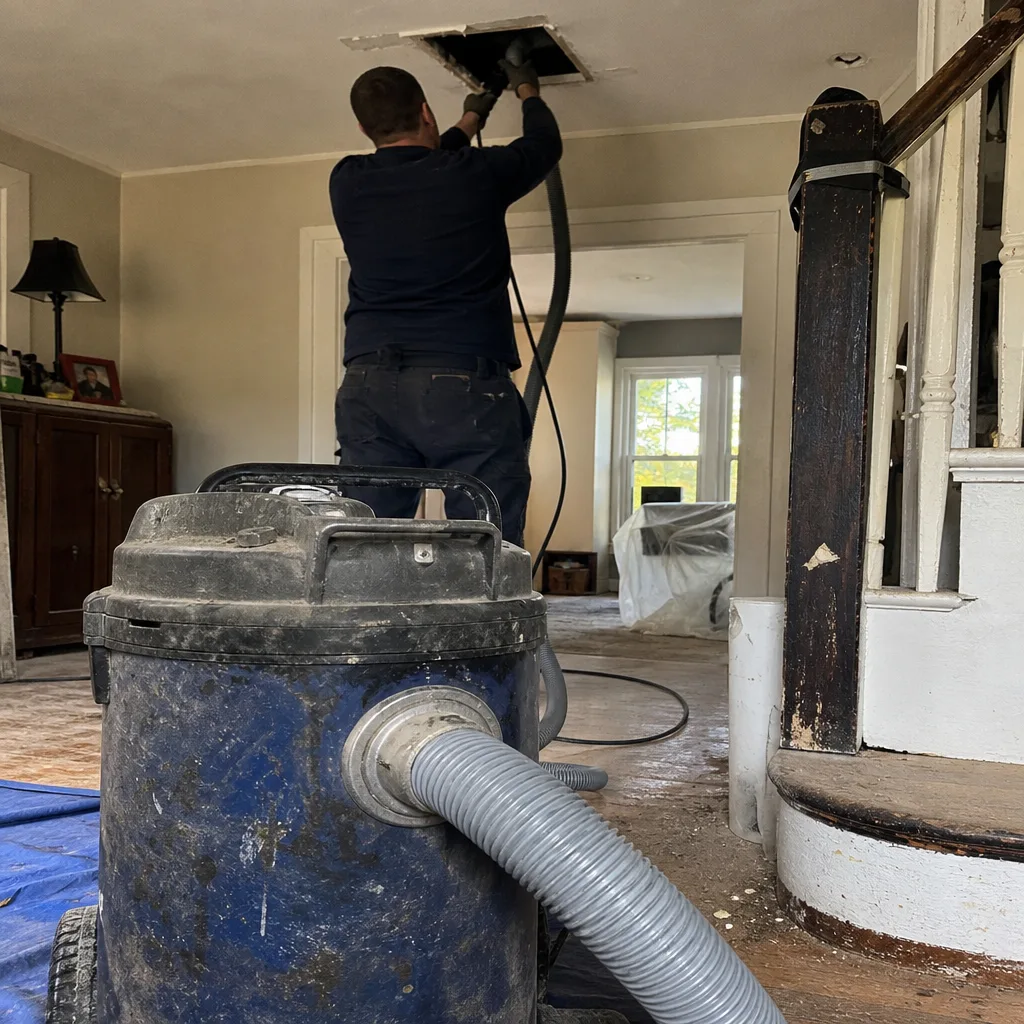 Before
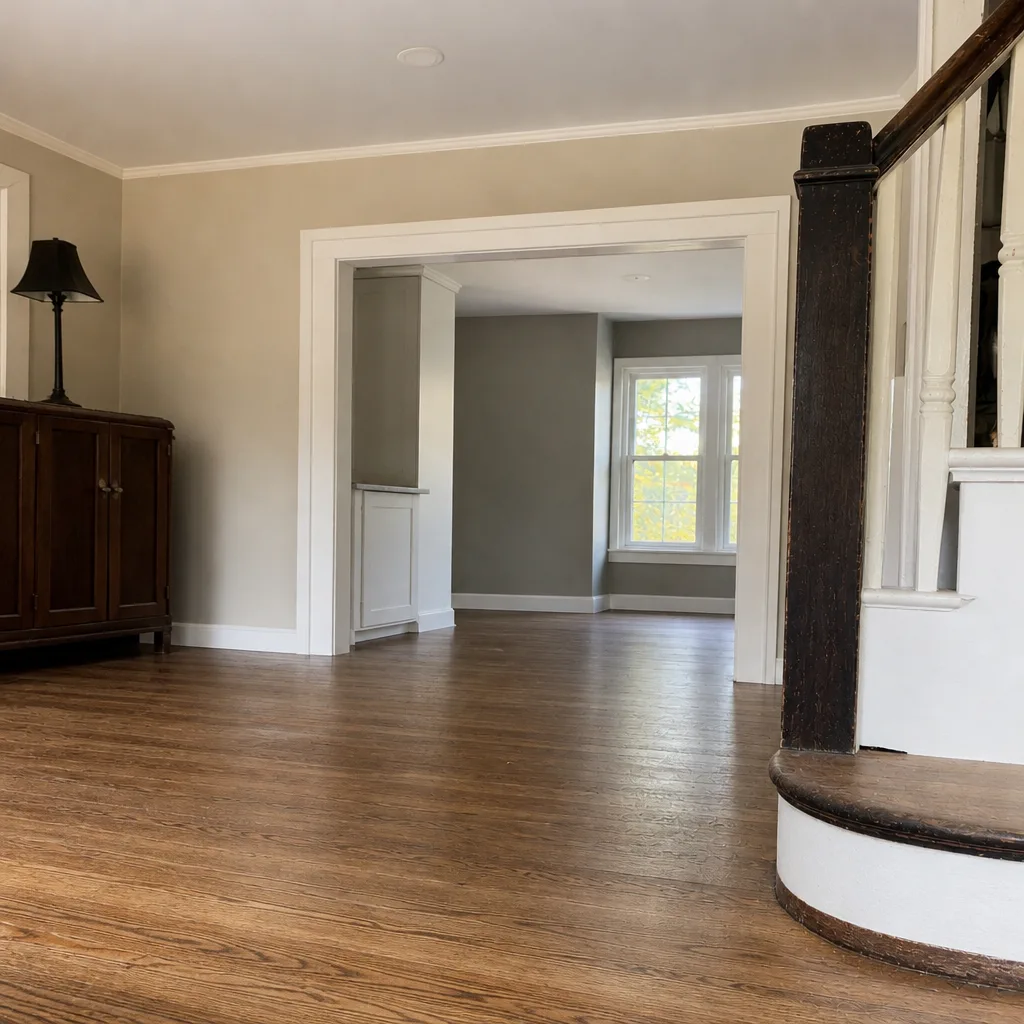 After
When to Call a Professional
Book an inspection when two or more of the warning signs in this guide are showing at once, when uneven room temperatures persist after a room-by-room test, when rust streaking appears around basement return grilles, when a musty smell returns after cleaning, or when allergy symptoms clearly follow HVAC runtime. If you notice any sign of a dryer vent problem, don’t wait on the others; that one is a safety call rather than a comfort one. Air Duct Cleaning Oxford Circle offers free estimates in Oxford Circle. Call (833) 498-1334 for a full diagnostic. The local pro is licensed and insured as their state requires, and the price is set per job by the written estimate before work begins. We answer 24/7. Fast dispatch from 7am to 7pm, Sunday through Friday.
For a broader view of what’s involved beyond warning signs, our Air Duct Cleaning Oxford Circle page covers the full scope. If the dryer vent is what brought you here, dryer vent cleaning has its own page with what the service covers.
Frequently Asked Questions
The price is set per job by the written estimate, which is free and agreed before any work starts. There’s no per-vent pricing and no teaser coupon that changes on the truck. Call (833) 498-1334 for an exact quote.
Cheap quotes usually skip containment equipment, don’t include sealing or sanitizing, and don’t take before-and-after photos. The work may be a single pass with a consumer-grade vacuum rather than a professional Rotobrush or Nikro system with HEPA containment. Ask what equipment and what stages are included before comparing prices. Call (833) 498-1334 for a quote you can compare line by line.
Before-and-after photos of your own ducts are the standard. Ask any contractor to document each stage with photos: pre-clean inspection, cleaning, sealing, and final state. If photos aren’t part of the deal, ask why. Call (833) 498-1334 to book a job that ends with documented results.
It depends on the home more than a fixed schedule. Homes with pets, recent renovation, visible dust reappearing within 48 hours, or a musty smell on startup benefit from more frequent attention than a home in good condition with a well-sealed system. A diagnostic inspection tells you where your home actually stands. Call (833) 498-1334 for an honest read on timing.
Not usually an emergency, but it’s a sign worth acting on soon. Light surface rust on the grille face is common in Oxford Circle’s older rowhouses and usually means humidity exposure. Rust streaks running down the wall, or rust combined with a musty smell, indicate active condensation or dampness feeding microbial growth, and both deserve inspection. Call (833) 498-1334 to schedule one.
Yes, and they often do. A consistent 4 to 6 degree spread that follows specific rooms while the rest of the house stays comfortable is a classic duct-side symptom. The room-by-room test in this guide tells you which side of the system to look at first. Call (833) 498-1334 if the test points to the ducts.
Only if the source is the ductwork and the coil, and no moisture is still entering the system. If the smell persists with the fan off, or if the smell comes back shortly after cleaning, the source is moisture and needs to be found before cleaning again. A full diagnostic covers the whole air pathway so this doesn’t get missed. Call (833) 498-1334 for an inspection.
The Bottom Line
Duct problems in Oxford Circle almost never announce themselves with visible mold or a total block. They show up as a room that runs 4 to 6 degrees off, a musty smell that fades after startup, dust that reappears within 48 hours, rust on a basement return, or allergy symptoms that track with the HVAC cycle. The right response is diagnostic: run the room-by-room test, log the symptom timing, then call for a professional inspection if two or more signs line up. Cleaning without sealing leaves the pathway open, and that’s the gap worth closing. Call (833) 498-1334 for a free estimate. We answer 24/7. Fast dispatch from 7am to 7pm, Sunday through Friday.
Written by the team at Air Duct Cleaning Oxford Circle.