
Last updated November 22, 2026
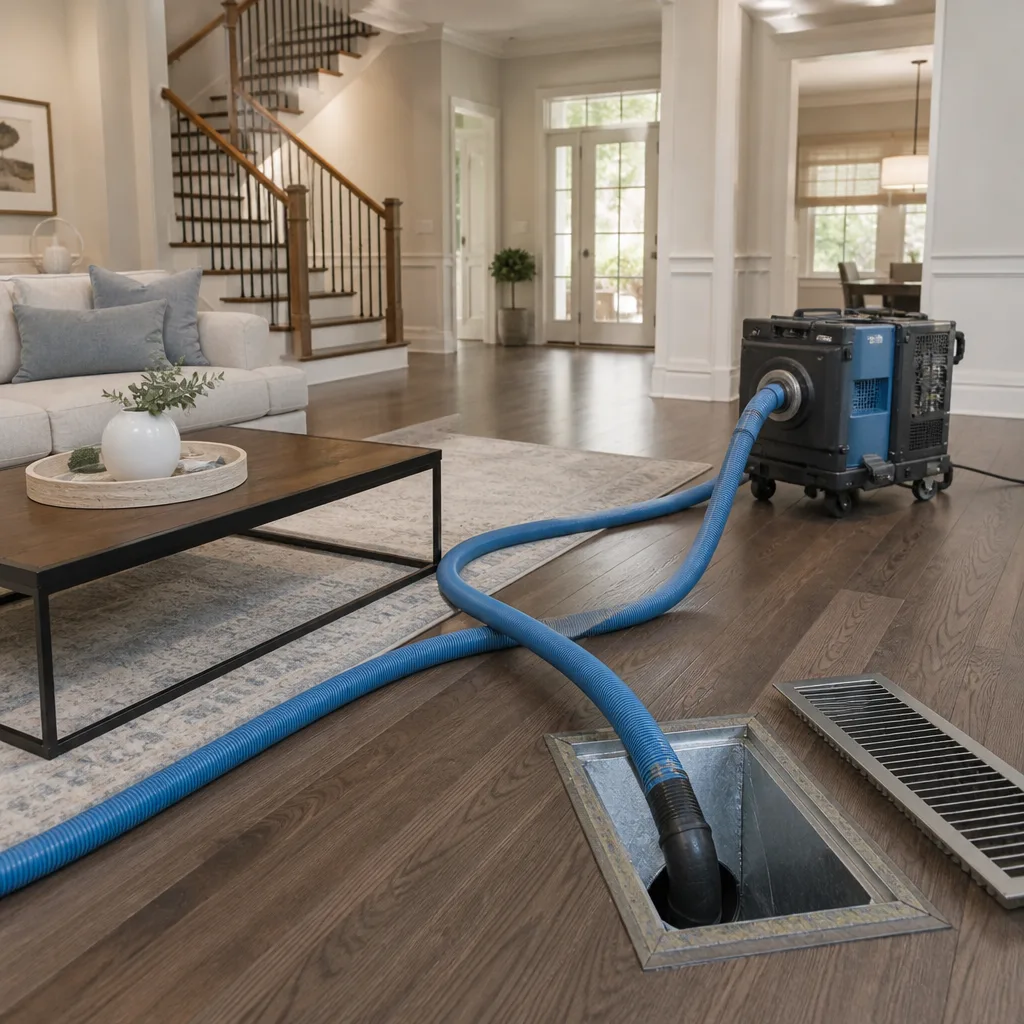 Whole-home duct cleaning
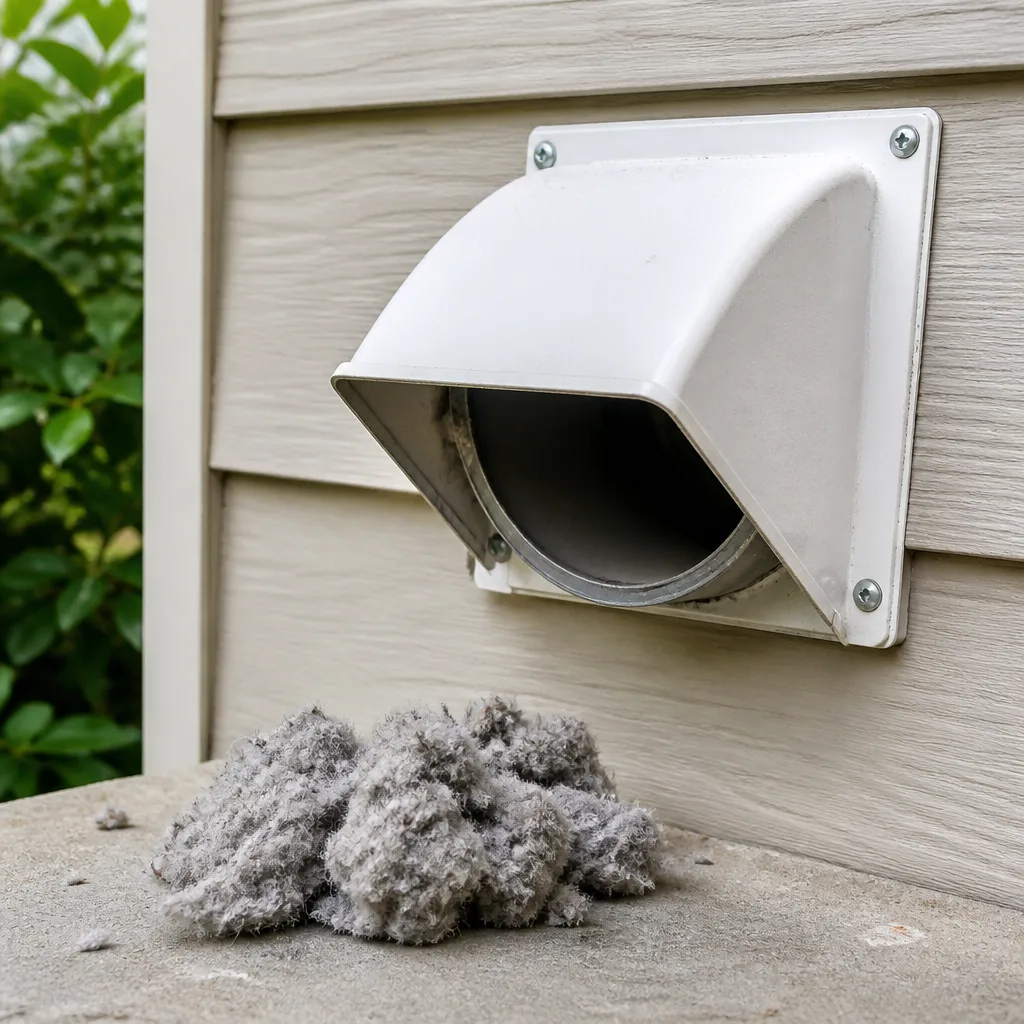 Dryer vent cleaning
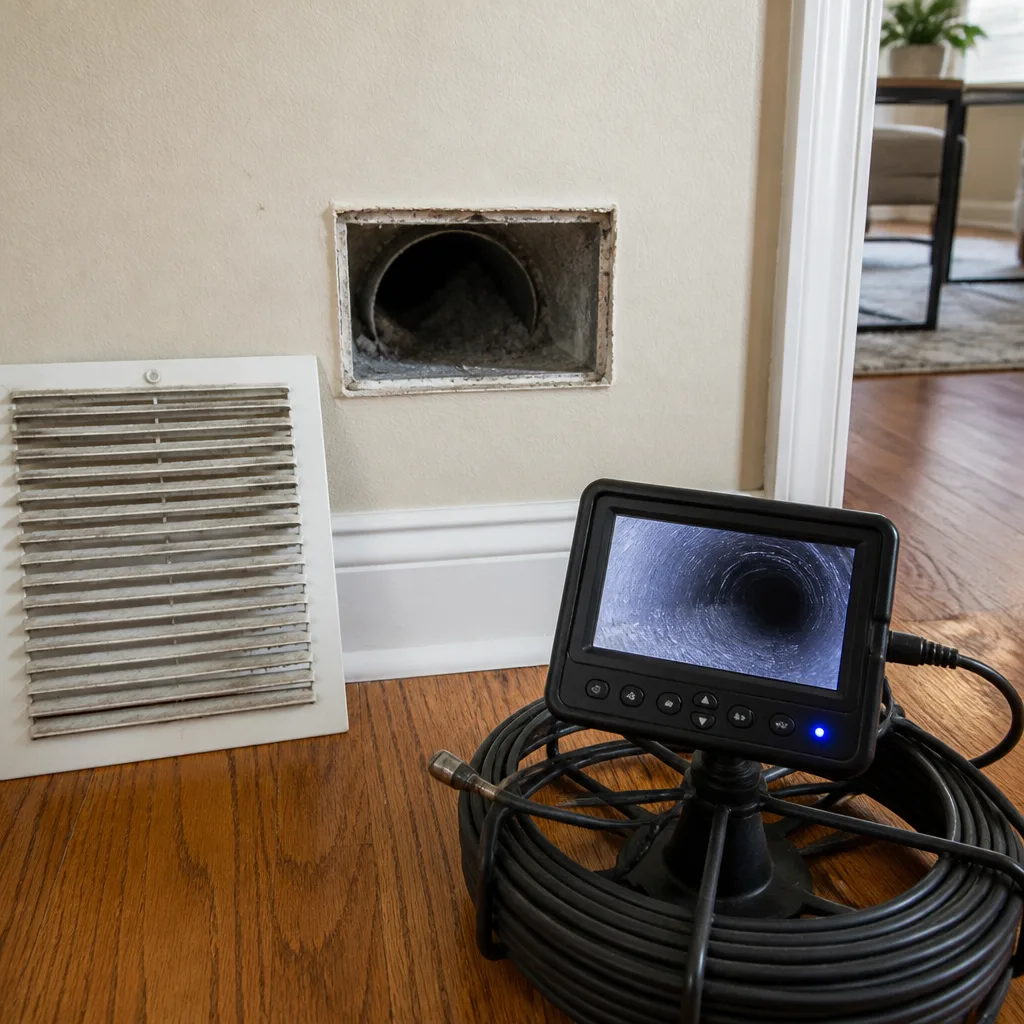 Camera inspection
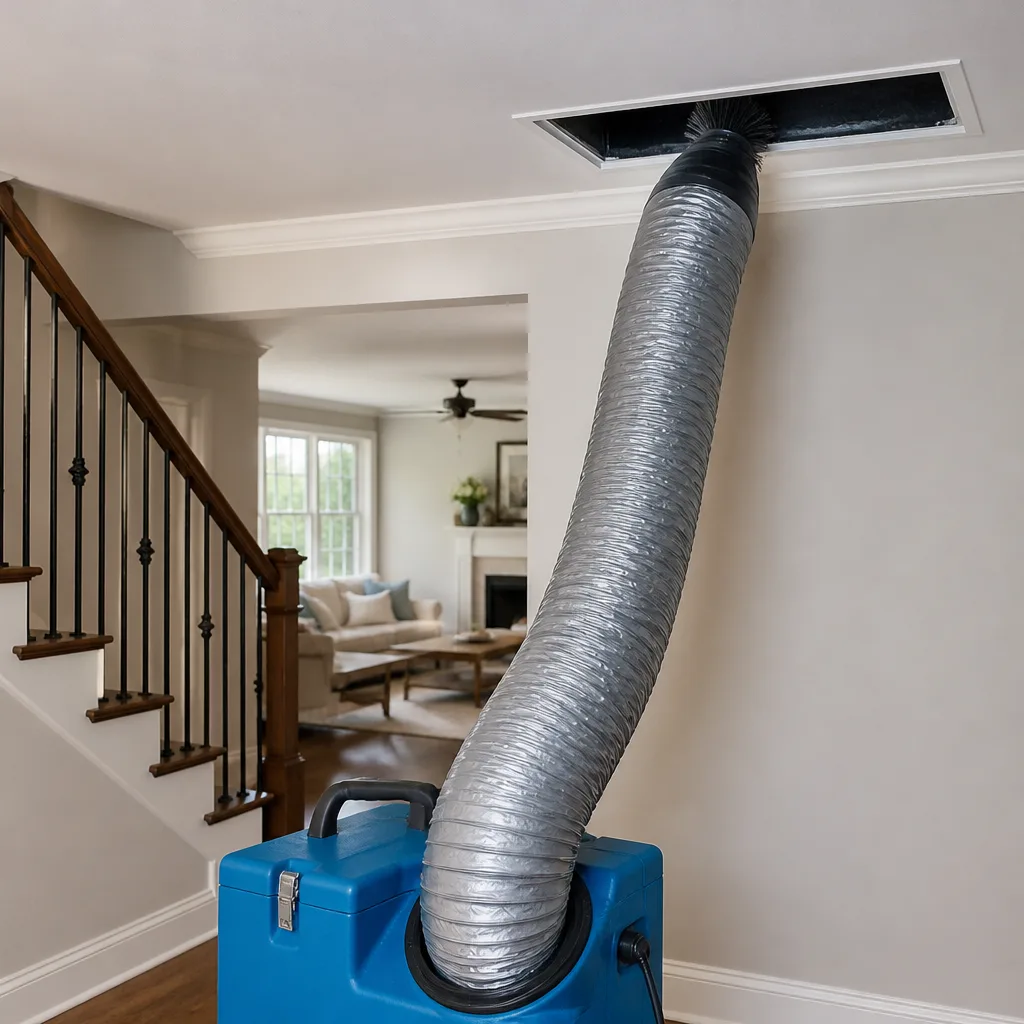 Sanitizing & deodorizing
Whole-system duct and dryer vent check with before-and-after photos - you see exactly what came out of your vents
That "$99 whole-house special" is a bait ad - the real number appears once they are in your hallway, or the "clean" is a shop-vac at the register. We photograph the inside of your ducts before and after instead.
Choosing the Right Air Duct Cleaning Brand: A Buyer’s Guide for Oxford Circle
When a contractor says they use “professional equipment,” that phrase covers two very different machines. One is a portable unit you could load into the back of a hatchback. The other is a negative-air system built for remediation work, with the containment and filtration to prove what it removed. The gap between those two tools isn’t a matter of degrees. It’s the difference between agitating dust and actually taking it out of the system. Most homeowners in Oxford Circle have no framework for telling these claims apart, and that’s the gap this guide closes. By the end you’ll know what equipment tiers exist, which brand names signal real capacity, the exact questions to ask before you book, and why a tight Oxford Circle rowhouse basement changes what a contractor can physically reach.
Quick Answer
The right air duct cleaning brand in Oxford Circle is the one operating professional equipment you can name and inspect results with: source-removal machines from Rotobrush or Nikro, containment and HEPA filtration from Abatement Technologies, and camera verification before and after the work. Ask which machines they run and whether they document conditions with before-and-after photos. A vague answer about “professional equipment” tells you more than a confident one ever will.
Styles & brands we work with
- Whole-home duct cleaning
- Dryer vent cleaning
- Camera inspection
- Sanitizing & deodorizing
Table of Contents
- The Three Tiers of Duct Cleaning Equipment
- Brand Names That Signal Real Professional Capacity
- How to Ask a Contractor About Their Equipment Before Booking
- Why Oxford Circle Rowhouses Demand the Right Configuration
- Camera Inspection: Why It Matters More Than the Vacuum
- The Full Loop: Cleaning, Repair, Sealing, and Air Quality
- What Honest Pricing Looks Like (and Why Cheap Quotes Fail)
- How to Verify the Work Was Actually Done
The Three Tiers of Duct Cleaning Equipment
Duct cleaning equipment sorts into three rough tiers, and the difference between them determines what a contractor can actually accomplish in your home. Understanding the tiers changes how you read every quote you receive in Oxford Circle.
Tier 1: Consumer-Grade Equipment
These are shop vacuums and light portable units, often from big-box stores, with limited airflow and no real containment. They can pull some loose debris off a register face, but they can’t generate enough negative pressure to dislodge caked dust from a duct run or capture what they loosen. If a contractor shows up with equipment that fits in a car trunk, that tells you what tier the job lives in.
Tier 2: Portable Professional Units
This tier is where legitimate residential duct work actually happens. High-CFM portable machines from brands like Rotobrush and Nikro, paired with agitation tools and HEPA filtration, can produce real source removal in a residential system. The equipment costs meaningfully more than tier 1 and requires training to operate correctly. A contractor at this tier can clean a standard Oxford Circle home’s supply and return system properly.
Tier 3: Truck-Mounted Negative Air and Remediation Systems
This is the commercial and remediation tier: negative-air machines and HEPA containment from manufacturers like Abatement Technologies. These systems generate enough pressure differential to clean large duct networks and, critically, to contain what they pull out so it doesn’t re-enter living space. This tier is what you want if your system has microbial growth, heavy contamination, or if you’re a property manager responsible for multiple units.
What matters for your decision: ask any Oxford Circle contractor which tier they operate, whether they carry HEPA filtration, and whether they can name the machines. The names matter because they’re checkable.
Brand Names That Signal Real Professional Capacity
Equipment brand matters because it’s verifiable. When a contractor tells you what their fleet runs, you can look up those machines and understand their capabilities. Vague claims can’t be checked. Here’s what the names you’ll hear actually mean.
- Rotobrush – The industry standard for residential air duct cleaning. Rotobrush systems combine a high-CFM vacuum with rotating agitation tools designed specifically for residential duct interiors. Their presence is a strong signal of professional-tier capability.
- Nikro – Another professional-grade source of duct cleaning equipment. Nikro machines are commonly used in commercial and residential duct work where air volume matters. Same category as Rotobrush: professional tier, not consumer.
- Abatement Technologies – The name to look for in containment and negative air. Abatement equipment is built for remediation work where airborne particulate control matters. If a contractor carries Abatement machines, they’ve invested in the tier that contains contamination rather than redistributing it.
- Honeywell and Aprilaire – These are the filtration and air-quality product brands that matter after the cleaning step. A contractor authorized to work with Honeywell or Aprilaire components can recommend and install whole-home filtration upgrades instead of just cleaning what’s there.
- Guardsman – A brand within the air-quality category worth knowing if the work includes sanitizing or filtration components.
The chemistry at Air Duct Cleaning Oxford Circle runs Rotobrush and Nikro for cleaning, Abatement Technologies for containment and HEPA filtration, and works with Honeywell and Aprilaire products for air-quality upgrades. That combination indicates professional-tier equipment across the diagnostic, cleaning, and containment stages. When you’re comparing quotes, ask which brands the contractor actually runs. A contractor who can name their equipment with confidence is a contractor you can have a useful conversation with.
How to Ask a Contractor About Their Equipment Before Booking
You don’t need to be an equipment expert to evaluate a contractor. You need to ask four or five precise questions and listen to how the answers land. Deflection is the tell.
- Ask which machines they operate by brand name. “What equipment do you use?” is too open. Ask instead: “Which brand of duct cleaning machine will be on-site?” A capable contractor names Rotobrush or Nikro or Abatement without hesitation. A vague contractor says “top-of-the-line” or “professional-grade” and changes the subject.
- Ask if they carry HEPA filtration. HEPA is a specific filtration standard. If a contractor can’t confirm their equipment captures particulate at the HEPA level, you’re dealing with a system that agitates dust more than it removes it.
- Ask whether they use containment. Containment, especially negative-air equipment, keeps the particulate you pull out of the duct from drifting back into living space. Ask how they protect the rest of the house during cleaning. The answer tells you the tier.
- Ask whether they do camera inspection. Camera inspection before and after cleaning is the one method that verifies the work instead of just promising it. If a contractor doesn’t inspect, they can’t prove what they did.
- Ask for a written scope before the appointment. The best signal of a serious contractor is a written estimate that says exactly what’s included: how many systems, whether repair or sealing is included, and what happens if they find issues.
Listen carefully to the deflection answers. “We’re fully licensed and insured, that’s all you need to know” is not an equipment answer. “It doesn’t matter, we get great results” is a red flag, not a reassurance. If a contractor can’t name their machines, that’s useful information, and it’s information you should use before booking.
Why Oxford Circle Rowhouses Demand the Right Configuration
Oxford Circle neighborhoods contain a lot of rowhouses, and the typical Oxford Circle rowhouse wasn’t designed around modern duct cleaning equipment. The physical constraints matter when you’re choosing a contractor.
Older Oxford Circle rowhouses commonly have tight basement access: narrow stairwells, low ceilings, utility obstructions in the path between the front door and the HVAC unit. Many have low-clearance trunk ducts running through main-floor or basement ceilings. The supply and return runs can be packed tight with limited service access points.
What that means for equipment: a contractor whose only capability is a truck-mounted system designed for open commercial spaces may not be able to reach the ducts in a tight Oxford Circle rowhouse basement. The right equipment configuration for these homes combines compact portable machines from Rotobrush or Nikro with flexible agitation tools that can navigate tight runs, plus camera inspection to navigate and verify where the cleaning actually got done.
This is where the equipment conversation moves from “what tier are you” to “what can you physically reach in my home.” A contractor who operates professional portable equipment understands Oxford Circle rowhouse systems. A contractor who shows up expecting wide-open commercial duct access may end up cleaning only the parts they can easily see. Ask any contractor you’re considering: “Have you worked on rowhouse systems with tight basement access and low-clearance trunks?” Their answer will tell you whether the equipment match is real. We’ve seen good systems in Oxford Circle get shortchanged by contractors whose equipment configuration didn’t fit the house.
Camera Inspection: Why It Matters More Than the Vacuum
A camera inspection system is what separates “we cleaned it” from “we cleaned it and can prove it.” A contractor with a Rotobrush or Nikro system and no camera has cleaned blind. A contractor with camera inspection has verified the work.
Pre-cleaning inspection establishes what’s actually in the system: debris volume, dust caking, signs of microbial growth, duct integrity issues, disconnected joints. Post-cleaning inspection confirms what the equipment actually removed. Without the “before” image, there’s no baseline. Without the “after” image, there’s no proof.
Ask a contractor two things about camera inspection:
- What equipment do you use? The specific camera system matters because it determines image quality. A contractor using a professional inspection camera can show you clear before-and-after images down the length of the duct. A contractor using a phone flashlight is improvising.
- Will I get copies of the images? A contractor who documents the work should share the documentation. If they hesitate on this one, that’s your answer about how invested they are in proof.
In our experience, before-and-after photos of your own ducts are the single strongest test of a duct cleaning job. If a contractor is confident in the equipment and the process, they’ll share the images without being pushed. If they can’t or won’t, you should reconsider the booking. The camera is the accountability mechanism. The cleaning equipment only earns its value when the camera is there to verify that the equipment did what the contractor claimed.
The Full Loop: Cleaning, Repair, Sealing, and Air Quality
Duct cleaning alone is often an incomplete job. The reason is that a cleaned duct system that still leaks is a system that wastes energy and pulls in contaminants. Real air-quality improvement requires a contractor who closes the loop.
The full service loop has five components:
- Air duct cleaning – Source removal of accumulated dust, debris, and particulate from supply and return ducts.
- Dryer vent cleaning – A dedicated fire-risk reduction service separate from duct cleaning. The dryer vent is a distinct pathway and needs its own attention.
- HVAC cleaning – Cleaning of the mechanical components of the system, because the ducts are only as clean as the components that feed them.
- Duct repair and sealing – Closing leaks and reconnecting joints so the cleaned system actually holds air. Cleaning without sealing skips this step and leaves the system exposed.
- Air quality and sanitizing – Addressing microbial growth, allergens, and VOCs beyond mechanical cleaning, plus filtration upgrades with brands like Honeywell and Aprilaire.
The reason this matters for Oxford Circle homeowners is accountability. If you’re coordinating duct cleaning, HVAC work, and air quality treatment across three separate contractors, you spend time you don’t have and you introduce finger-pointing if the results don’t hold. A single company covering all five service categories eliminates that. Air Duct Cleaning Oxford Circle provides all five, which means a condition found in the ducts, HVAC components, or air quality step can be addressed within the same service relationship. Understanding air duct cleaning as one part of a larger system is the shift in thinking. The duct work, the HVAC work, and the filtration work all touch the same air stream, so the quality of the whole system depends on the weakest point.
When you’re evaluating a contractor, ask whether they handle repair and sealing, or whether they only clean. A one-step cleaner leaves the loop open. A contractor who cleans, repairs, seals, and offers filtration upgrades closes it.
What Honest Pricing Looks Like (and Why Cheap Quotes Fail)
The cheapest quote you’ll receive in Oxford Circle is usually the one built on equipment that can’t do the job. Here’s how honest duct cleaning pricing works and how to spot the pricing structures that indicate the wrong tier.
Duct cleaning is quoted per system, not per vent. A quote that scales by the number of vents is a red flag because the actual work doesn’t scale that way: a contractor with professional equipment cleans the system at the machine and the duct network, not per register. A quote structured per vent is a quote that rewards adding vents to the invoice.
Honest pricing should be based on:
- Number of systems in the home – A single central system is priced differently than two or three distinct systems.
- Documented scope – The written estimate should specify which services are included: cleaning, repair and sealing, sanitizing.
- Verification – Camera inspection and before-and-after photos are part of the job, not an add-on fee.
- Equipment tier – Professional-tier equipment costs more to operate than consumer-tier equipment. A price that seems impossibly low means tier 1 equipment, not a discount.
The pricing structure that causes the most trouble is the coupon model: a low teaser price to get in the door, then an on-site upsell once the technician sees the system. This is the bait-and-switch reputation the industry has earned. At Air Duct Cleaning Oxford Circle, we set one flat price per system before work starts, agreed in writing. The written estimate sets the final price. Any additional services beyond the original scope are a separate conversation the homeowner opts into, not a surprise reclassification of what was already booked. Understanding how HVAC cleaning relates to duct cleaning is part of evaluating whether the quote you’re getting covers the full system or just the duct network.
Ask any Oxford Circle contractor this question: “Is your price per system or per vent?” The answer tells you which pricing model you’re dealing with. And ask: “Will my written estimate match my final invoice?” If the answer is “usually” or “mostly,” you know what to expect.
How to Verify the Work Was Actually Done
The only real proof that duct cleaning happened is documentation. Without it, you’re relying on the contractor’s word about a system you can’t see.
What valid verification includes:
- Pre-cleaning photo or video inspection – Documenting the condition before any equipment runs.
- Post-cleaning photo or video inspection – Documenting the condition after cleaning, in the same locations as the “before” images.
- Side-by-side comparison – A contractor who shares before-and-after photos side-by-side is a contractor committed to outcomes you can check.
- Notes on findings – Anything discovered during inspection (disconnected joints, microbial growth, damaged duct sections) should be reported with the inspection documentation.
- Written scope of what was cleaned – Which supply and return runs, which lengths, whether the HVAC components were included.
If a contractor offers no documentation and no camera inspection, “was the work done?” is a question you can’t answer. That’s the reason camera inspection belongs in the equipment conversation: it’s the accountability the equipment alone can’t provide.
Ask about verification before you book. The right answer names the proof method, not just the machine.
Common Mistakes to Avoid
- Booking on a coupon price alone. A low teaser price means a low starting scope that gets expanded on-site. Ask for the full per-system price before anyone arrives.
- Accepting “professional equipment” as a complete answer. That phrase means nothing on its own. Push for brand names: Rotobrush, Nikro, Abatement Technologies. If they can’t name them, they’re likely tier 1.
- Skipping the verification question. Without camera inspection and before-and-after photos, you have no way to know whether the ducts were cleaned. Ask upfront and treat documentation as a requirement, not a bonus.
- Cleaning without sealing. A cleaned but leaking duct system pulls contaminants right back in. Confirm repair and sealing are either included or available.
- Ignoring the dryer vent as a separate issue. Dryer vent cleaning is a dedicated fire-risk reduction service, not a throw-in. Ask explicitly whether it’s part of the scope.
- Overlooking Oxford Circle rowhouse constraints. Tight basement access and low-clearance trunks require compact portable equipment. Confirm the contractor has worked on rowhouse systems before booking.
- Choosing a contractor who can clean but can’t repair. If issues show up during cleaning, a contractor who can only clean will hand you off to someone else. Pick a contractor who closes the loop.
See the difference
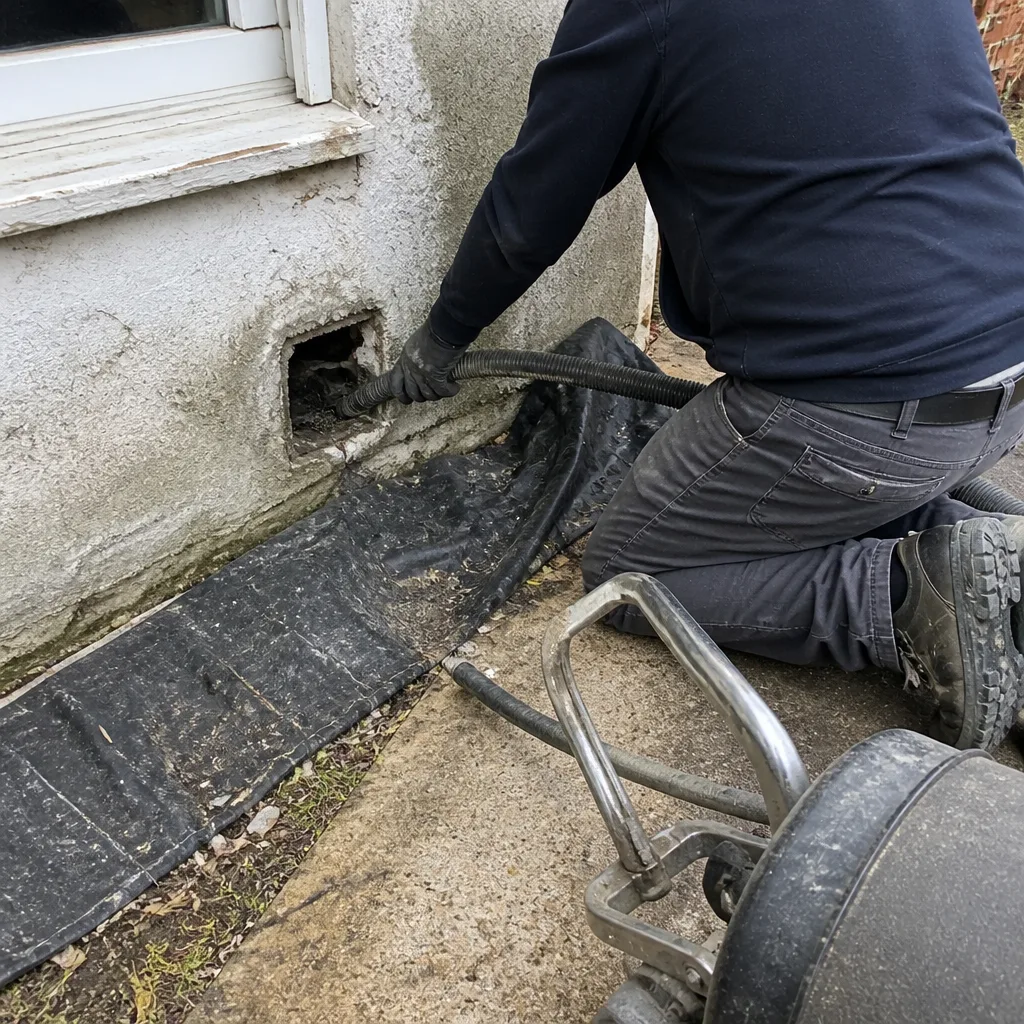 Before
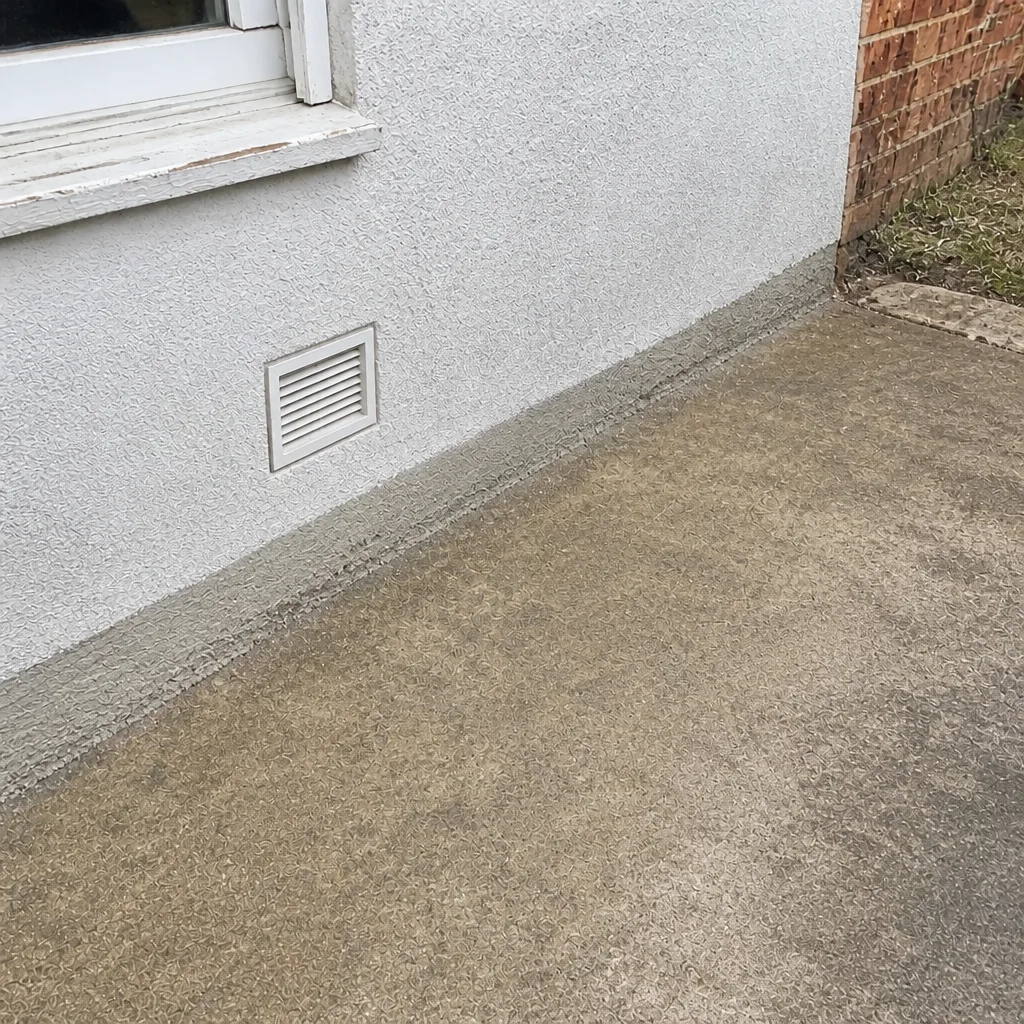 After
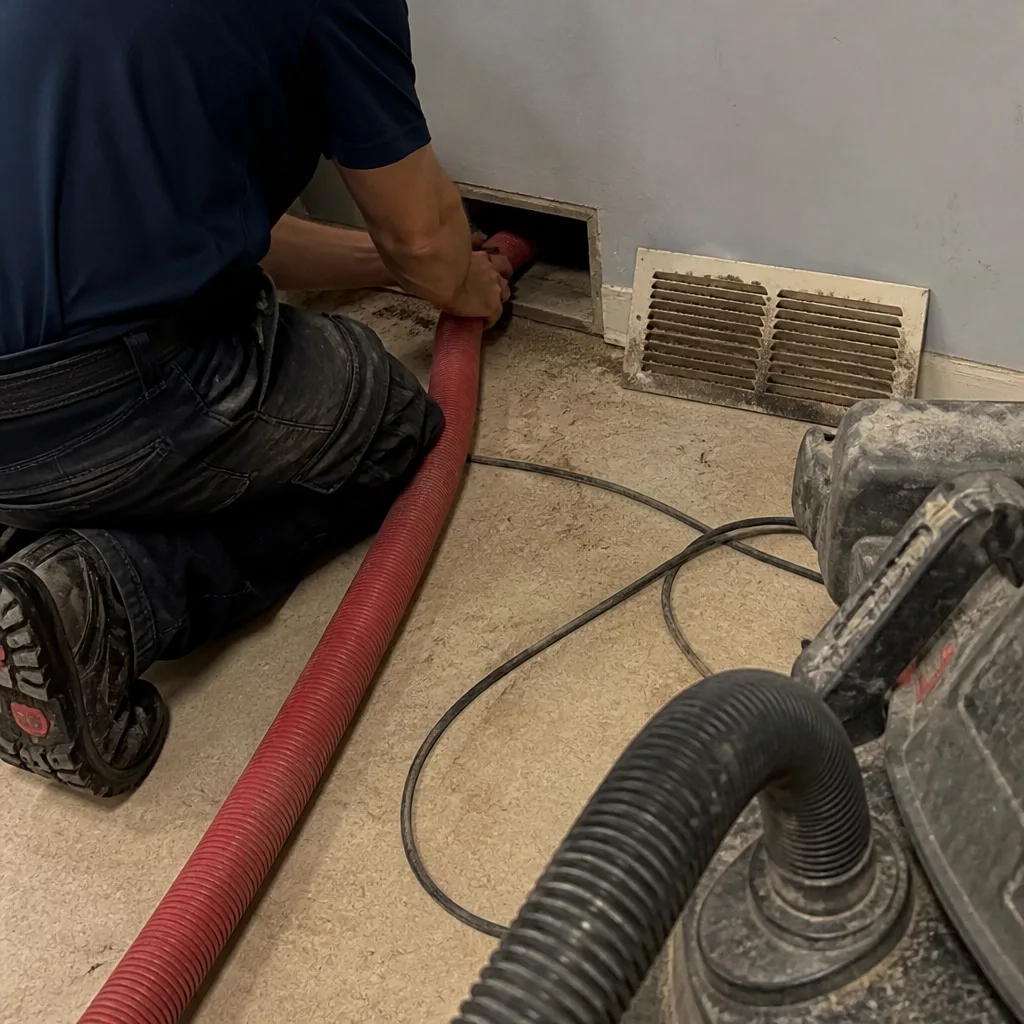 Before
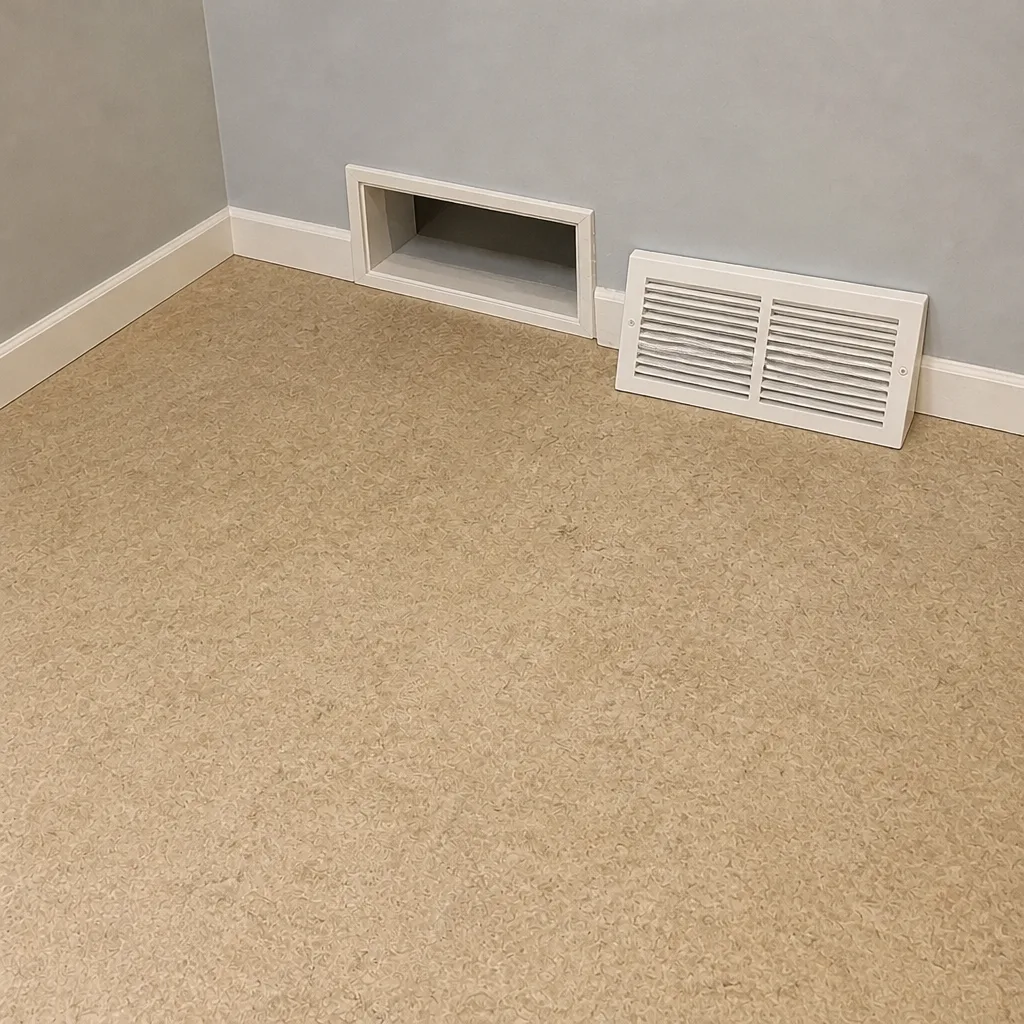 After
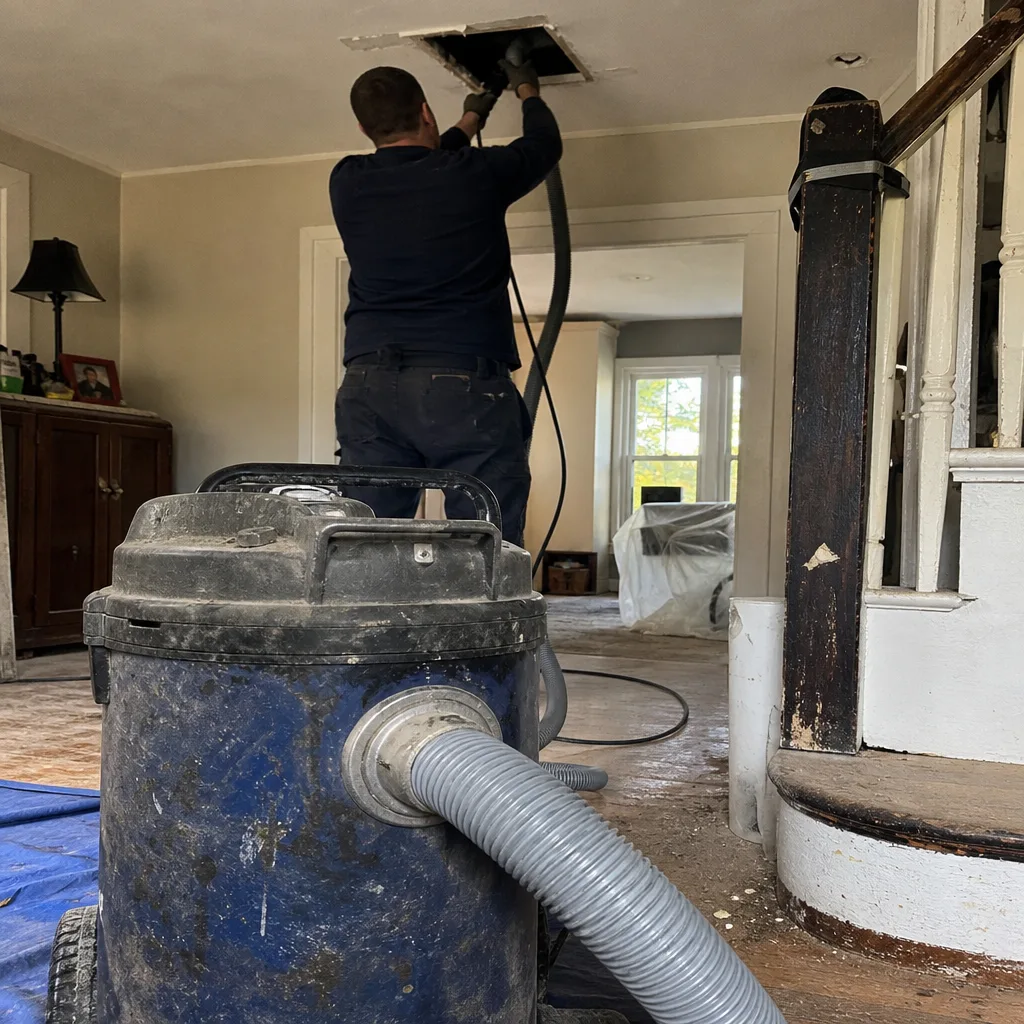 Before
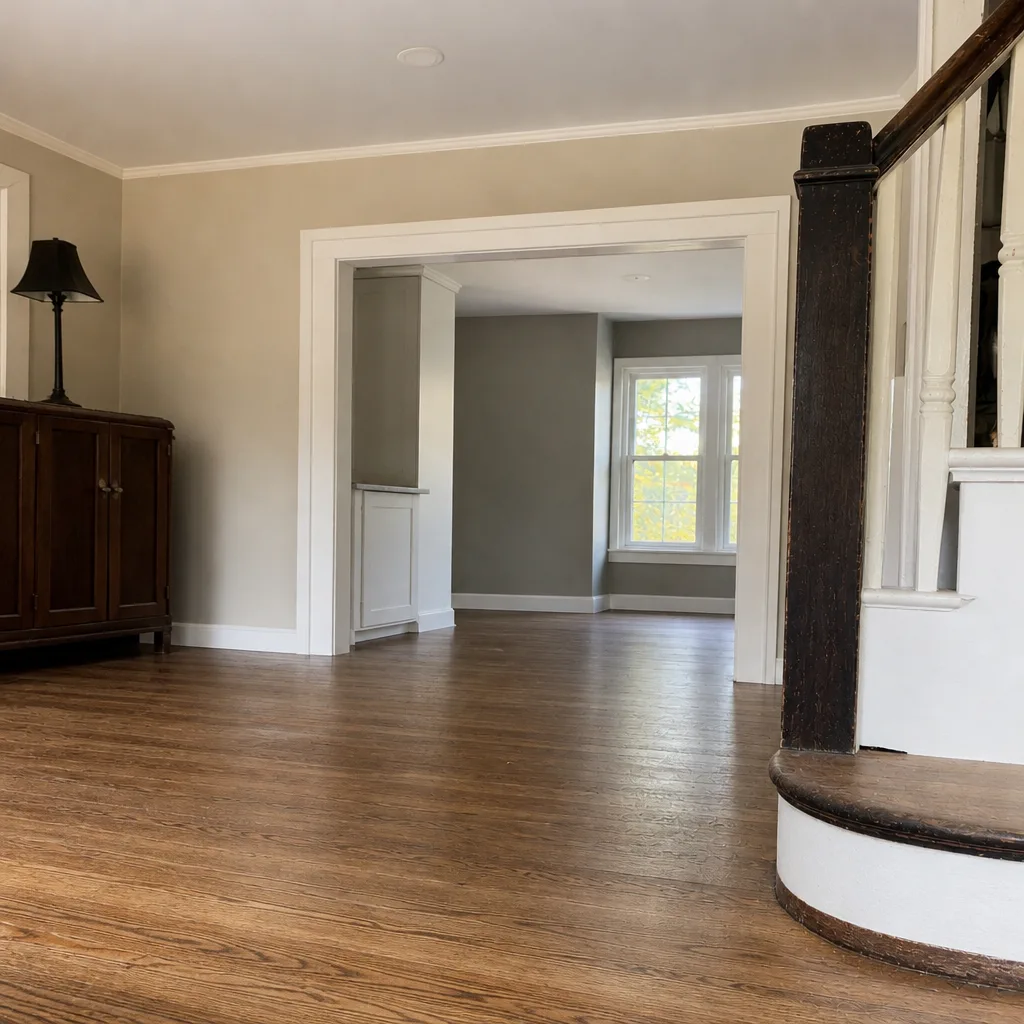 After
When to Call a Professional
Some conditions call for professional evaluation rather than waiting. If you’re noticing persistent musty odors that don’t clear after normal cleaning, inconsistent airflow between rooms, visible dust discharge from registers, or allergy-like symptoms that get worse indoors, those are signs worth investigating with camera inspection and diagnostic equipment. Property managers responsible for multiple Oxford Circle units have an additional reason to book: documentation of duct condition supports tenant communication and protects against complaints about air quality.
If the system hasn’t been cleaned in years and airflow has degraded, professional source removal with proper containment is the right starting point. If the previous contractor’s work was undocumented, a fresh camera inspection establishes where things stand. Air Duct Cleaning Oxford Circle offers free estimates in Oxford Circle. Call (833) 498-1334. We answer 24/7. Fast dispatch from 7am to 7pm, Sunday through Friday. The written estimate sets the price before any work begins.
Frequently Asked Questions
The strongest signals of professional capacity in Oxford Circle are Rotobrush, Nikro, and Abatement Technologies. Rotobrush and Nikro represent professional-tier portable and source-removal equipment, and Abatement Technologies represents commercial-grade containment and HEPA filtration. A contractor naming any of these has invested in equipment that can accomplish real source removal. Call (833) 498-1334 for an exact quote with our equipment explained in detail. Estimates are free.
Air duct cleaning in Oxford Circle is quoted per system, not per vent, and the written estimate is the source of the final price. Pricing depends on the number of systems in your home, whether repair and sealing are included, and whether sanitizing or air-quality work is part of the scope. Beware of quotes that scale with vent count or come in dramatically under a fair market range; those usually mean tier 1 equipment. Call (833) 498-1334 for a free written estimate on your Oxford Circle property.
Cheap quotes usually reflect a lower equipment tier, a narrower scope, or a teaser-price structure that expands on-site. A contractor with only portable shop vacuums can quote less because the work itself is less: less agitation, less containment, less verification. A contractor like Air Duct Cleaning Oxford Circle moving Rotobrush and Nikro equipment and running camera inspection at both ends of the job is doing more work per system, and that’s reflected in the price. Ask each contractor what equipment shows up and what documentation you’ll receive. Call (833) 498-1334 for a free estimate.
Before-and-after camera photos are the standard. Ask the contractor to share images of your own ducts: same locations before and after the cleaning. If a contractor doesn’t offer camera inspection, treat the work as unverified. When you’re booking, make documentation a requirement. Call (833) 498-1334 for a free estimate on verification-included duct cleaning in Oxford Circle.
Most homes in Oxford Circle fall in a multi-year range depending on pets, occupants, whether the system has had renovation debris pulled through it, and how well the ducts have been sealed. Homes near ongoing renovation or with heavy shedding pets need it more often. Homes with cleaned and sealed ducts hold their condition longer. Instead of a fixed interval, ask for camera inspection to establish the actual condition of your system, then use that as a baseline. Call (833) 498-1334 for a free estimate and inspection conversation.
You don’t have to, but it’s the accountability structure that tends to hold. When duct cleaning, HVAC cleaning, dryer vent cleaning, duct repair and sealing, and air-quality work sit with one contractor, the contractor is on the hook for how the whole system performs. Three separate contractors create handoffs and finger-pointing. Air Duct Cleaning Oxford Circle covers all five service lines. Call (833) 498-1334 for a free estimate; we’ll spell out which services your Oxford Circle home actually needs before any work starts.
The Bottom Line
Equipment is the clearest test of whether a duct cleaning contractor can actually do the work. The names to look for are Rotobrush, Nikro, and Abatement Technologies: professional tier, source removal, containment, HEPA filtration. Ask the equipment question and listen for specific answers, not for “professional-grade.” Ask about camera inspection, and expect before-and-after photos of your own ducts. Ask whether repair, sealing, and air quality are part of the scope or open questions. On an Oxford Circle rowhouse, confirm the configuration matches tight basement access and low-clearance trunks. Price should be per system, written down before work starts, and matched to the scope. Once you have those answers, the choice between contractors stops being a hunch and becomes a decision. If you’re ready to compare a clear scope against a written estimate, the Air Duct Cleaning Oxford Circle team schedules duct cleaning, dryer vent cleaning, and HVAC work as a coordinated service. Call (833) 498-1334 for a free estimate. We answer 24/7. Fast dispatch from 7am to 7pm, Sunday through Friday. One flat price per system, agreed before work starts.
Written by the team at Air Duct Cleaning Oxford Circle.