
Last updated November 22, 2026
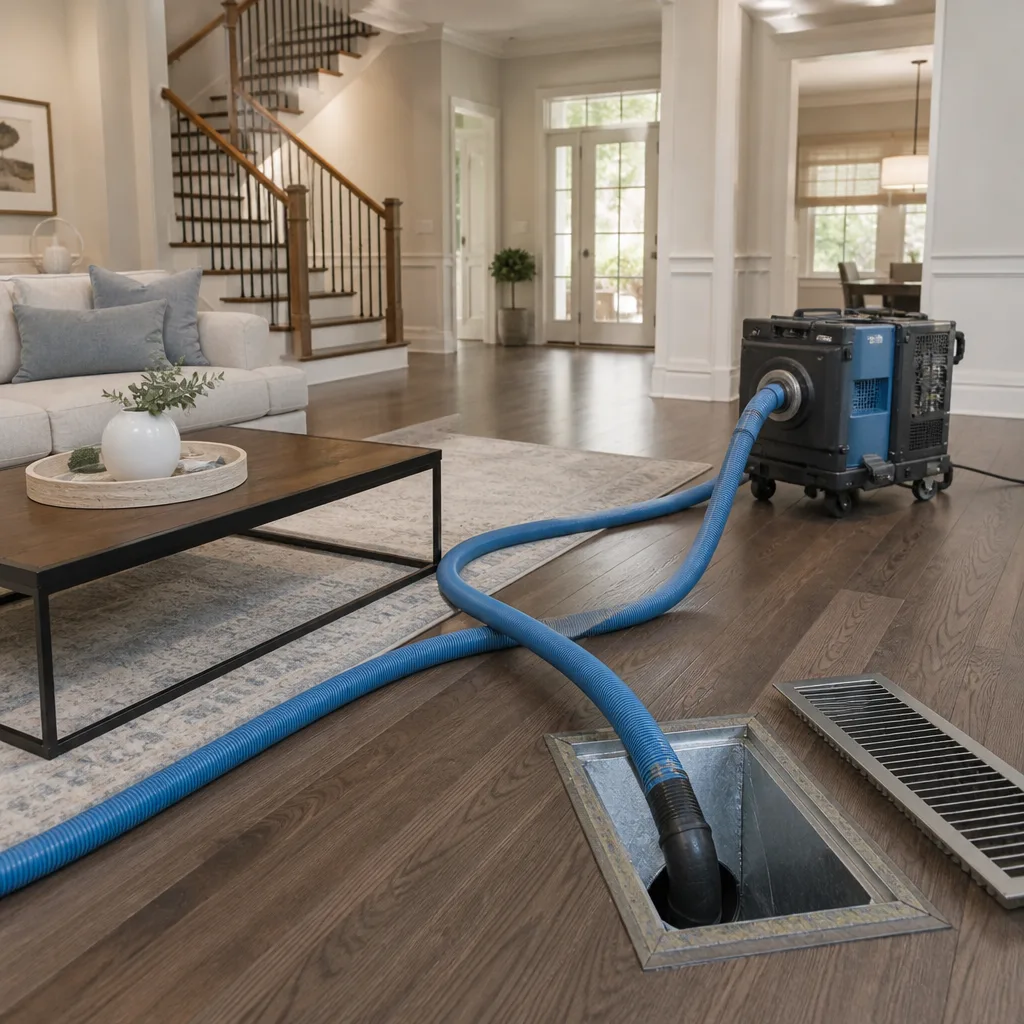 Whole-home duct cleaning
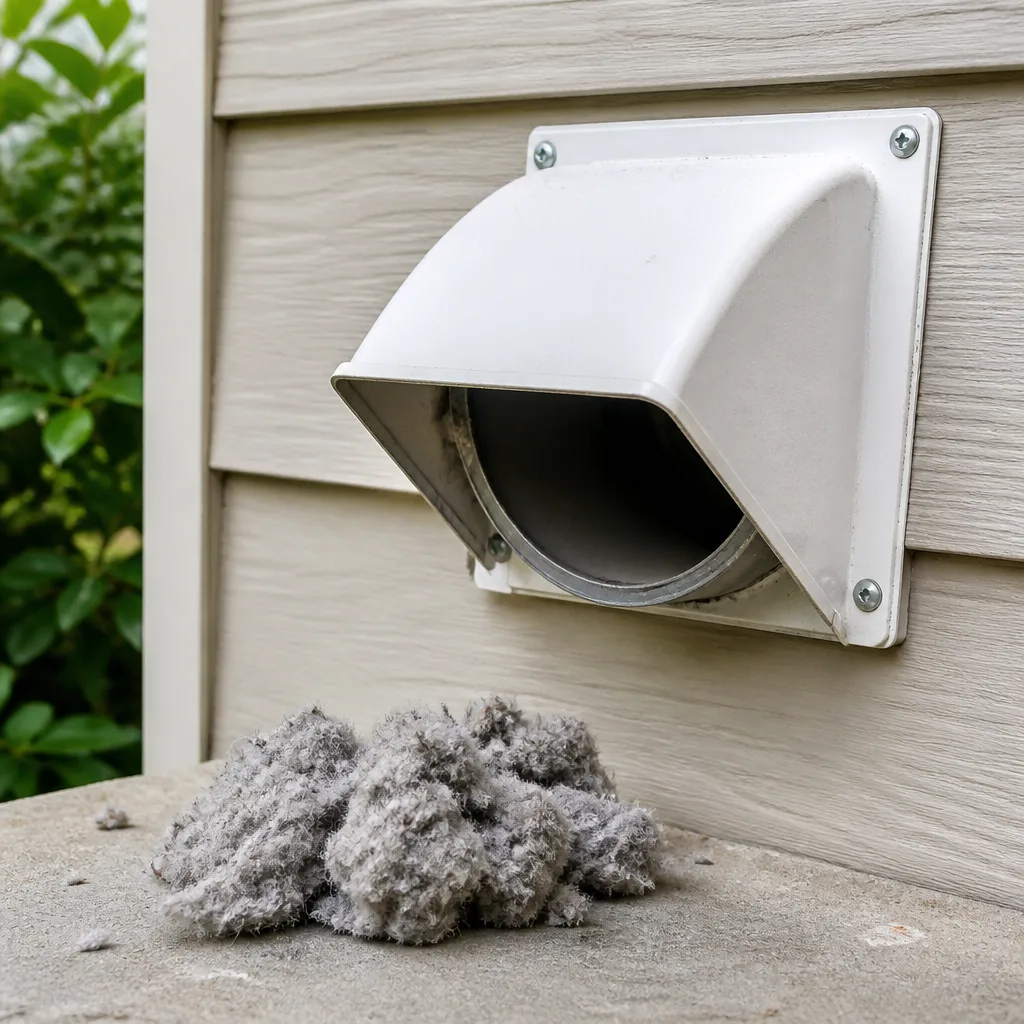 Dryer vent cleaning
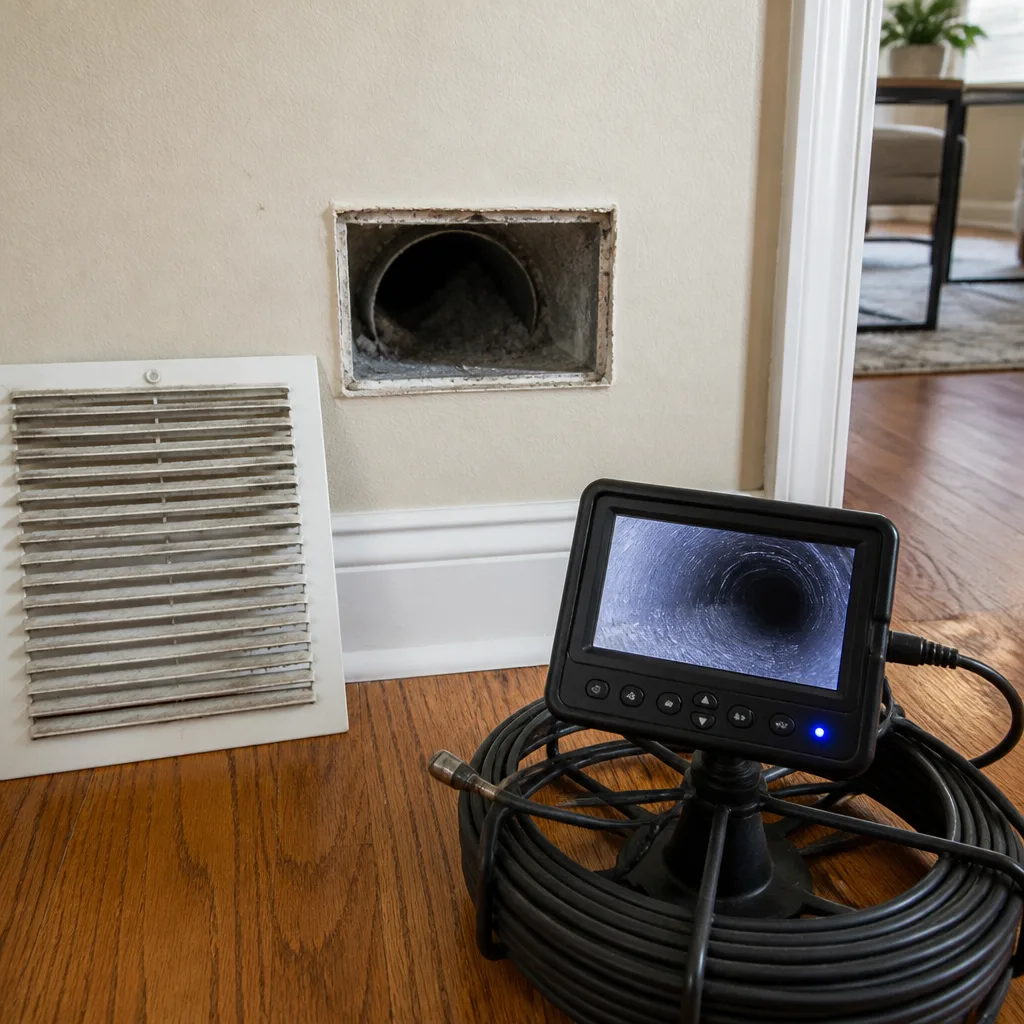 Camera inspection
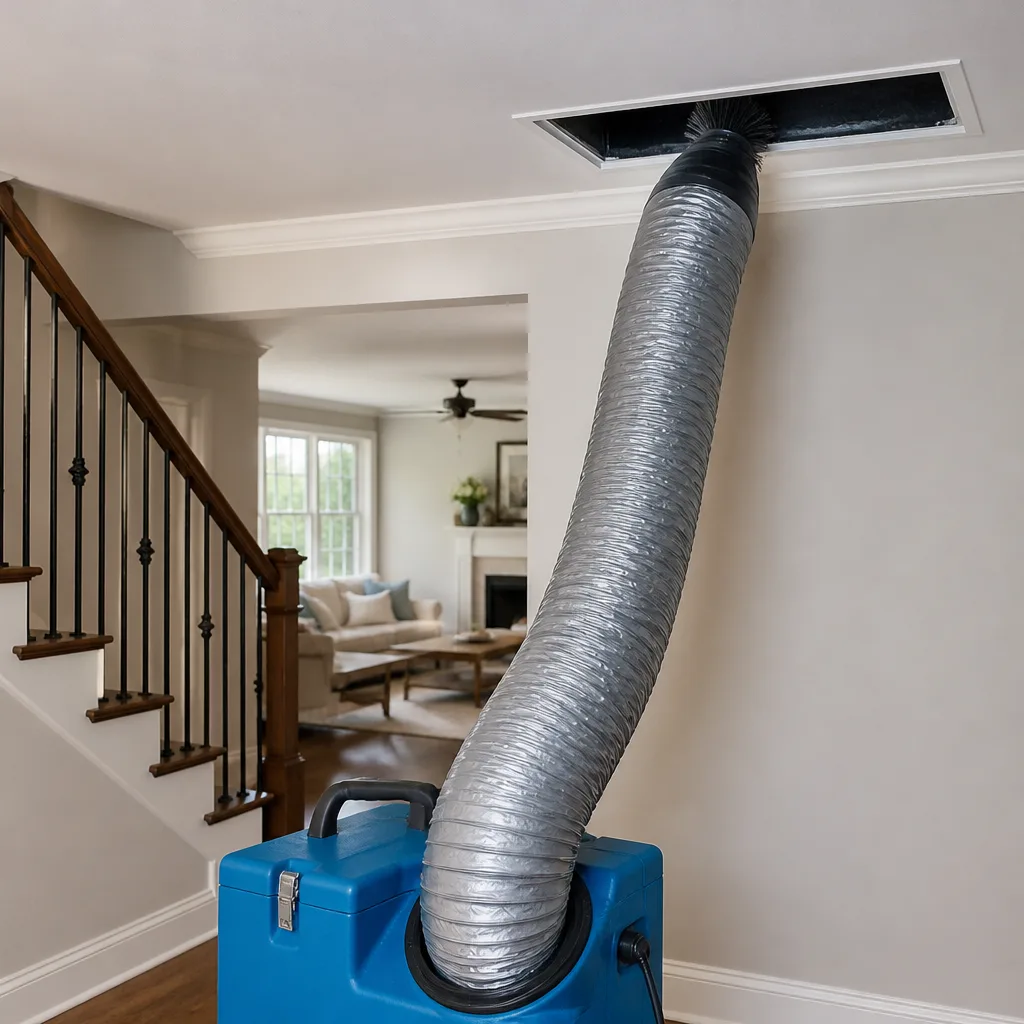 Sanitizing & deodorizing
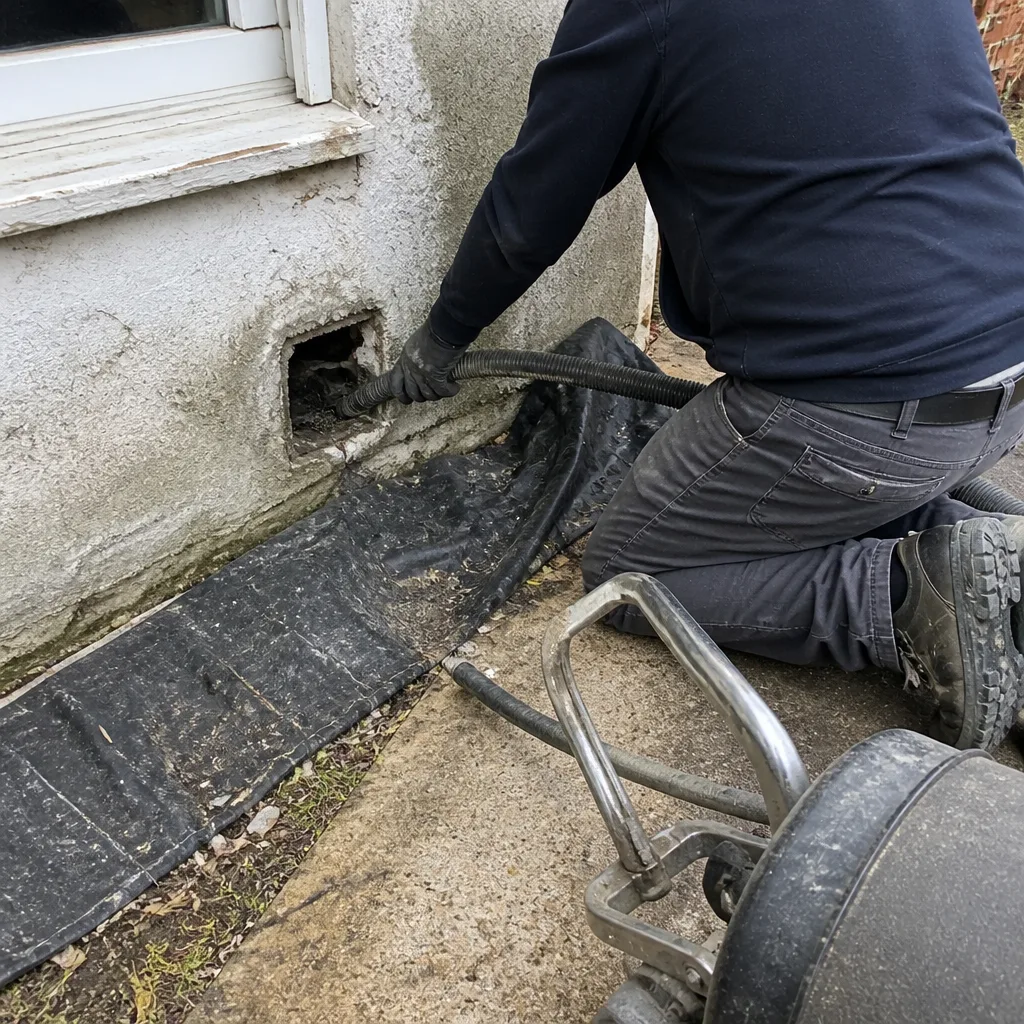
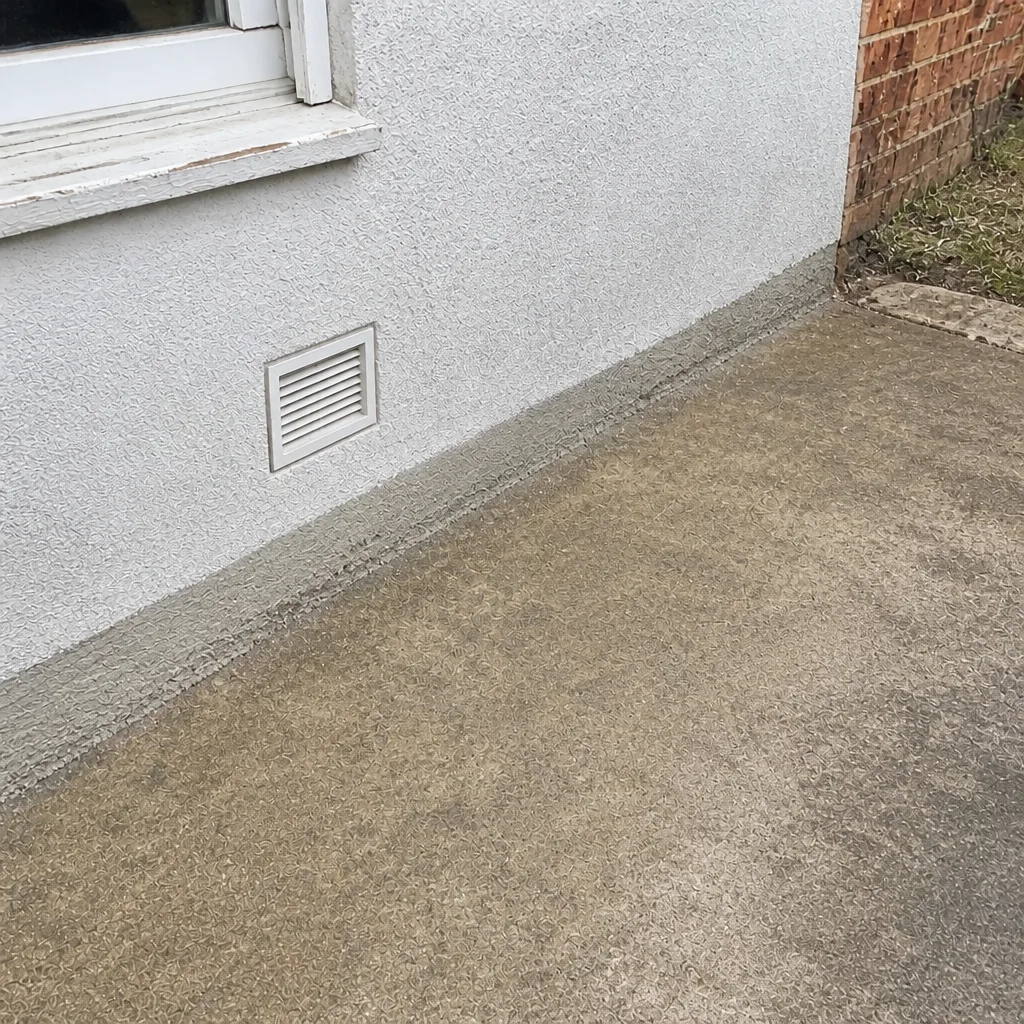
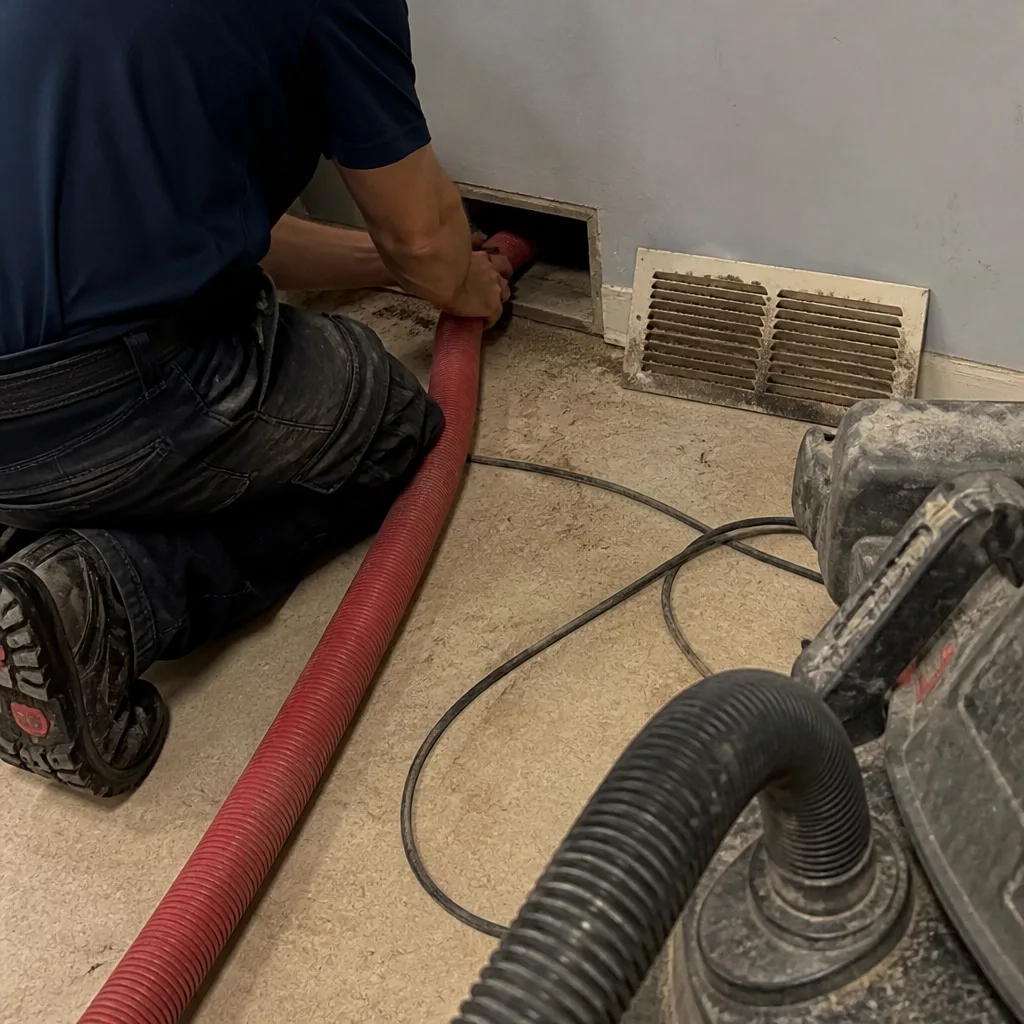
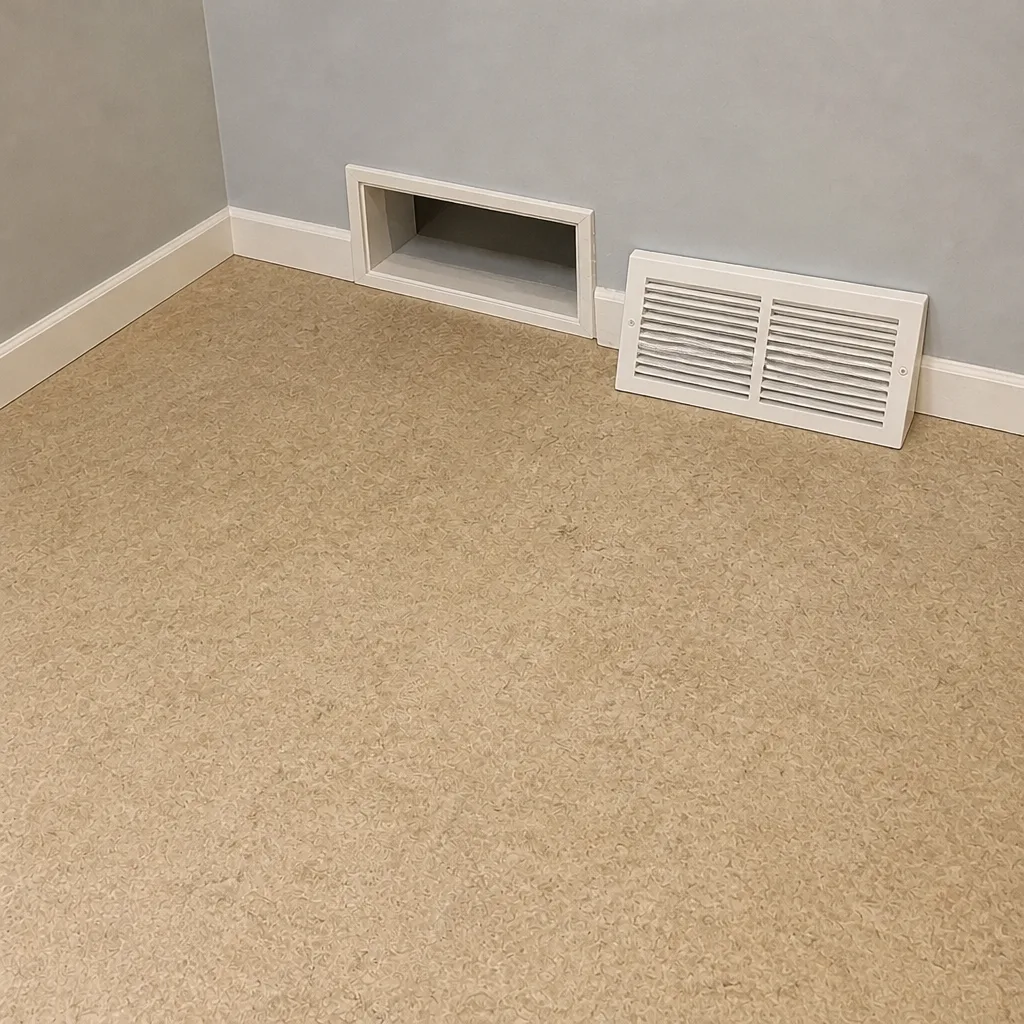
Whole-system duct and dryer vent check with before-and-after photos - you see exactly what came out of your vents
That "$99 whole-house special" is a bait ad - the real number appears once they are in your hallway, or the "clean" is a shop-vac at the register. We photograph the inside of your ducts before and after instead.
How to Hire an Air Duct Cleaning Contractor in Oxford Circle: A Step-by-Step Guide
A $99 whole-house duct cleaning offer isn’t a deal. It’s a business model. The low number gets a van to your curb, and the profitable part of the visit starts once someone is standing in your basement holding a flashlight and a worried expression. Philadelphia-area consumer protection agencies have documented this pattern repeatedly, and Pennsylvania doesn’t license duct cleaning as a trade, which means nobody is checking credentials at the door. You are the credential check. This guide walks through the exact questions to ask, the answers that should end the conversation, and how to verify the work afterward in Oxford Circle.
Quick Answer
To hire an air duct cleaning contractor in Oxford Circle, get a written, itemized estimate before work starts, confirm the specific equipment and containment method the crew will use, verify NADCA membership directly on the association’s website, and reject any quote that’s a single lump-sum line or that gets revised upward on-site for chemical treatments you didn’t request. Pennsylvania doesn’t license this trade, so the paperwork and the answers to five equipment questions are your only real protection.
Styles & brands we work with
- Whole-home duct cleaning
- Dryer vent cleaning
- Camera inspection
- Sanitizing & deodorizing
Table of Contents
- Why Pennsylvania Doesn’t License Duct Cleaning
- The Five Equipment Questions to Ask Before Scheduling
- What NADCA Membership Actually Obligates a Contractor to Do
- Philadelphia Market Red Flags to Watch For
- What a Legitimate Written Estimate Must Itemize
- How to Verify the Work After the Job
- Why the Full System Matters, Not Just the Ducts
- Common Mistakes to Avoid
Why Pennsylvania Doesn’t License Duct Cleaning
Pennsylvania does not issue a license for air duct cleaning. That’s the single most important fact in this guide, and it’s the one most homeowners in Oxford Circle never hear. Plumbing, electrical work, and HVAC refrigerant handling all sit behind licensing boards. Duct cleaning does not. Anyone with a van, a vacuum, and a phone number can advertise the service and take your deposit.
What that means in practice is that the usual shortcuts you rely on don’t work here. You can’t ask for a license number and look it up, because there’s no registry to check it against. You can’t assume a logo on a van means anything, because vinyl decals cost less than a hundred dollars. And you can’t assume the contractor standing in your hallway has any training beyond whatever the person who sold them the franchise provided.
The vacuum this leaves is filled by three things you can actually verify:
- Written documentation. A real contractor puts the scope, the equipment, the price, and the exclusions in writing before anyone opens a register.
- Association membership. NADCA (the National Air Duct Cleaners Association) isn’t a government body, but its membership does carry obligations you can check.
- Equipment identification. Professional crews will name their machines without hesitation, because naming them is a selling point.
Oxford Circle has a lot of older housing stock, much of it with forced-air systems that have been retrofitted, extended, or rerouted over the years. Systems like that need a contractor who will look at the whole air pathway rather than run a vacuum down the nearest floor register. And in a market where anyone can claim the title, the questions below are how you tell the difference. If you want to see how a professional outfit describes the work itself, start with air duct cleaning and compare their language against what you’re hearing on the phone.
The Five Equipment Questions to Ask Before Scheduling
These five questions are the fastest filter available. A legitimate contractor answers all five without flinching. A coupon crew either can’t answer them or changes the subject toward a chemical treatment package.
1. Is the equipment truck-mounted or portable?
Both have legitimate uses. Truck-mounted units generate far more vacuum and are standard for whole-house work. Portable units are necessary when a truck can’t reach your system, which happens with some rowhouse configurations. What you’re listening for is whether the contractor knows which one they’re bringing and why. “We’ll figure it out when we get there” is not an answer. We run Rotobrush and Nikro systems for the cleaning work, and our technicians have up to 10 years of experience working with them.
2. What’s the CFM rating?
CFM, cubic feet per minute, measures how much air the machine moves. High-volume negative air is what actually lifts debris from duct walls rather than just stirring it. The exact number matters less than whether the contractor can state it. If nobody on the crew knows the rating of the machine in the van, the machine is probably a consumer-grade shop vac in a bigger housing.
3. What kind of brush system do you use?
Rotary brushes, whips, and compressed-air tools all have a place. The key detail is whether the brushes are sized and selected for the type of duct in your home. Sheet metal takes different treatment than flex duct, and flex duct takes different treatment than ductboard. A crew that uses one tool on every system will damage some systems.
4. How do you contain the dust?
This is the question that separates professional work from a mess. Negative air containment means the work area is held under lower pressure than the surrounding rooms, so loosened debris is pulled into the collection system rather than into your living space. Abatement Technologies negative-air and HEPA equipment is the standard we use for this. If the answer is “we put down drop cloths,” that’s not containment.
5. Do you do camera inspection?
A camera lets the contractor show you what’s actually inside the duct before and after, rather than describing it. It also lets them spot disconnected sections, crushed runs, and debris that a vacuum can’t reach. Ask whether inspection is included and whether you’ll see the footage.
If a contractor answers all five cleanly, you’re dealing with someone who takes the craft seriously. If they answer four and pivot to a sanitizing upsell, you have your answer.
What NADCA Membership Actually Obligates a Contractor to Do
NADCA membership is not a license and doesn’t replace one. What it does is hold a contractor to a published standard of care, and that standard is something you can use when you’re evaluating a bid in Oxford Circle.
Members commit to following the association’s assessment, cleaning, and restoration standard, which is the industry’s reference document for what a complete job looks like. That document defines cleaning as bringing the entire system, including the air handling unit, supply ducts, return ducts, registers, and coils, to a documented condition of cleanliness. It also requires the contractor to inspect before cleaning and to verify after.
What membership does not do:
- It doesn’t certify that a specific crew has been trained to a given level. Membership sits with the company.
- It doesn’t guarantee insurance coverage or a particular general liability limit.
- It doesn’t prevent a member from upselling aggressively or working from a coupon.
- It doesn’t replace your own verification of the written estimate.
How to use it: look up the company on the NADCA website yourself rather than trusting a logo on a flyer. Membership is searchable, and a contractor who claims it but doesn’t appear in the directory has given you useful information. Then ask whether the person doing the work has completed the association’s air systems cleaning specialist certification, which is an individual credential and does carry a training requirement.
For homeowners comparing multiple bids in Oxford Circle, NADCA membership is one leg of a three-legged stool. The other two are the written estimate and the equipment answers above. None of them is sufficient alone.
Philadelphia Market Red Flags to Watch For
Duct cleaning complaints in the Philadelphia area follow a recognizable pattern, and once you’ve seen the shape of it you can spot the setup from the first phone call. None of these red flags is proof of fraud on its own. Two or three together, though, mean you should keep looking.
Vans without commercial plates or business identification
A fully unmarked van shows up. No company name, no phone number, no DOT number. This is common with out-of-area crews working seasonal circuits through Philadelphia neighborhoods. Ask for the company name and the vehicle description before they arrive, and confirm it matches.
Out-of-area phone numbers
If the number on the flyer has an area code from another state and there’s no physical business presence you can verify, ask where the crew is coming from and who employs them. A legitimate operator answers without hesitation. A dispatcher reading from a call center script usually doesn’t.
Chemical treatments pushed on the spot
This is the classic upsell. The cleaning proceeds, and somewhere in the middle the technician finds “mold” or “bacteria” and recommends a treatment that costs several times the original quote. Real air quality work is a separate conversation, done with a written scope and a product you can identify. Honeywell and Aprilaire filtration products are named products with published specifications, not mystery fog. If a company can’t tell you what’s in the treatment and why it’s needed before the job starts, decline.
Price changes after arrival
An estimate is supposed to be an estimate. If the number on the invoice doesn’t match the number on the written quote and the difference isn’t a documented scope change you approved in writing, that’s the business model showing itself.
Pressure to decide immediately
The “today only” price exists to prevent you from doing exactly what this guide recommends: getting three bids and checking NADCA membership. Any contractor who won’t let you sleep on it has told you what they think of comparison shopping.
Oxford Circle sits in a market with plenty of legitimate operators and plenty of the other kind, and the two are sometimes on the same street. The telephone is where you separate them. For a deeper look at the service itself and what a proper job involves, our HVAC cleaning page goes through what gets cleaned inside the air handler, because that’s the part a coupon crew often skips.
What a Legitimate Written Estimate Must Itemize
A real written estimate for air duct cleaning in Oxford Circle will run to at least half a page, sometimes a full page, and every line on it should be something you can ask a follow-up question about. Here’s what it needs to contain.
- The scope in plain language. How many supply runs, how many return runs, whether registers and grilles come off, whether the air handler and coils are included or priced separately.
- The equipment being used. Machine type, containment method, and whether camera inspection is included.
- A separate line for every service. Cleaning, sanitizing, sealing, and any filtration upgrade should each have their own price. Bundling “the works” into one line hides what you’re actually paying for.
- Any repair findings and what they would cost. If the inspection turns up a disconnected duct or a crushed flex run, the estimate should say what repairing it would cost and whether that’s optional or necessary.
- The price per job, with a written note that it’s the final figure absent approved scope changes. The written estimate sets the final price. Anything not on it shouldn’t appear on the invoice.
- The verification you’ll receive. Before-and-after photos, a summary of findings, and the method used.
- The opt-out line. What the contractor will not do at that price. A quote with no exclusions usually means the exclusions haven’t been disclosed yet.
A quote that lumps all of this into one number is not a discount. It’s a blank check. Ask for it broken out line by line. A professional office will do that without complaint because they’re pricing the work, not the phone call.
Two things are worth paying extra for, if the estimate offers them: negative air containment done properly, and duct repair and sealing as a follow-on to cleaning. A cleaned but leaking duct system pulls dust and unconditioned air straight back into the supply path. For the full picture of how cleaning and sealing fit together, our guide to Air Duct Cleaning Oxford Circle covers the whole pathway rather than just the ducts.
How to Verify the Work After the Job
A verbal “looks good” is not verification. The point of a post-job documentation request is to receive evidence you can keep, review, and use if a question comes up six months later. Build the request into the estimate conversation rather than asking for it at the end of the job, when it’s easier for a crew to talk its way around it.
Here’s a straightforward list to hand over at signing:
- Before-and-after photos of the same runs, taken from the same angles, not just a wide shot of a clean-looking plenum. Ask for a labeled folder rather than phone screenshots.
- Camera footage or stills from inside at least the main trunk and a representative sample of the branch runs.
- A written summary of what was found and what was cleaned. Disconnected ducts, debris type, evidence of pest activity, moisture, or anything else the camera or inspection turned up.
- Documentation for any sanitizing or filtration product applied, including the product name and manufacturer.
- The warranty or workmanship terms in writing, if any, confirmed with the office before signing.
We take this seriously on the jobs we run because we’ve seen what a system looks like when the previous cleaning wasn’t documented. Verification isn’t a marketing extra. It’s the difference between a clean you can prove and a clean you’re asked to believe in.
What a post-job walk-through should include
Before the crew leaves, walk the system together and ask them to show you where the trunk connections are, whether any seals looked compromised during cleaning, and whether the air handler filter was inspected or replaced. That last one matters more than it sounds, since a dirty filter will undo the improvement in the supply air within weeks. If your system has a whole-home filtration setup, the crew should confirm it’s seated and clean.
Why the Full System Matters, Not Just the Ducts
Air duct cleaning is one component of what’s often called the air pathway: the return ductwork, the air handler with its blower and coils, the supply ductwork, the registers, the filtering components, and the evaporator coil if you have central cooling. A cleaned duct system attached to a grimy coil doesn’t move clean air. It moves air past a layer of biofilm and into your rooms.
That’s why good contractors scope the whole pathway rather than selling you a “duct cleaning” in isolation. Our five service lines (cleaning, dryer vents, HVAC components, duct repair, and air quality) exist so that the same crew handles the related pieces in one visit rather than referring you to someone else for the coil work. We also work with Honeywell and Aprilaire air quality products, which means a filtration upgrade can be quoted alongside the cleaning rather than as a separate appointment months later.
Dryer vent cleaning belongs in the same conversation. A clogged dryer vent is a documented fire risk, not a service to be saved for a slow sales week. It’s a dedicated service in our lineup for exactly that reason, and you can read about it in detail on our dryer vent cleaning page, which walks through what a proper cleaning involves. Guardsman chimney and vent brushes show up in some of this work, and a professional should be prepared to name their tools when you ask.
Where the full-pathway argument breaks down
Not every home needs every component touched. A newer build with tight ducts and a clean air handler might need only a clean and an inspection. The point isn’t to upsell the whole pathway; it’s to have one contractor who can see the whole pathway and tell you which parts actually need work this year. A company that only sells duct cleaning will sell you duct cleaning whether you need it or not.
Common Mistakes to Avoid
- Booking on the coupon price alone. A $99 headline usually means the base price covers a partial job and the rest appears on site. Get the written estimate before the appointment, not after.
- Not asking which machine is coming. Truck-mount, portable, and shop-vac-in-a-big-box all put different levels of vacuum on your system. Ask before scheduling, and match the answer to the work being done.
- Accepting a verbal price. In a state that doesn’t license this trade, the written estimate is the closest thing to consumer protection you’ll get. No written scope, no job.
- Skipping the NADCA lookup. Logos are easy to print. Directory listings are not. Spend the two minutes to verify before anyone touches a register.
- Buying a chemical treatment you can’t identify. If the product isn’t named, the spec sheet isn’t offered, and the need wasn’t in the original scope, walk away.
- Letting the crew skip the documentation. Before-and-after photos and a findings summary are part of a professional job, not a favor. Ask for them at signing.
- Cleaning the ducts and ignoring the rest of the system. The air handler, coil, and filter are part of the same pathway. A narrow clean leaves the biggest contaminant source in place.
One more, less obvious: don’t wait until the system visibly fails. Oxford Circle’s older rowhouse systems often have disconnected or crushed sections behind walls where nobody sees them. A camera inspection catches them before they become an airflow complaint, and the inspection is usually an add-on to a routine clean.
When to Call a Professional
Some signs clearly warrant a call: visible dust blowing from registers after the heat comes on, a musty smell in the return air, noticeably worse allergy symptoms in one room than the rest of the house, or a dryer that takes two cycles to finish a load. Uneven airflow between rooms, a system that runs longer than it used to, or visible debris in a return plenum are also reasons to get an inspection before assuming the equipment itself has failed.
Air Duct Cleaning Oxford Circle offers free estimates in Oxford Circle. Call (833) 498-1334. We answer 24/7. Fast dispatch from 7am to 7pm, Sunday through Friday.
See the difference
 Before
 After
 Before
 After
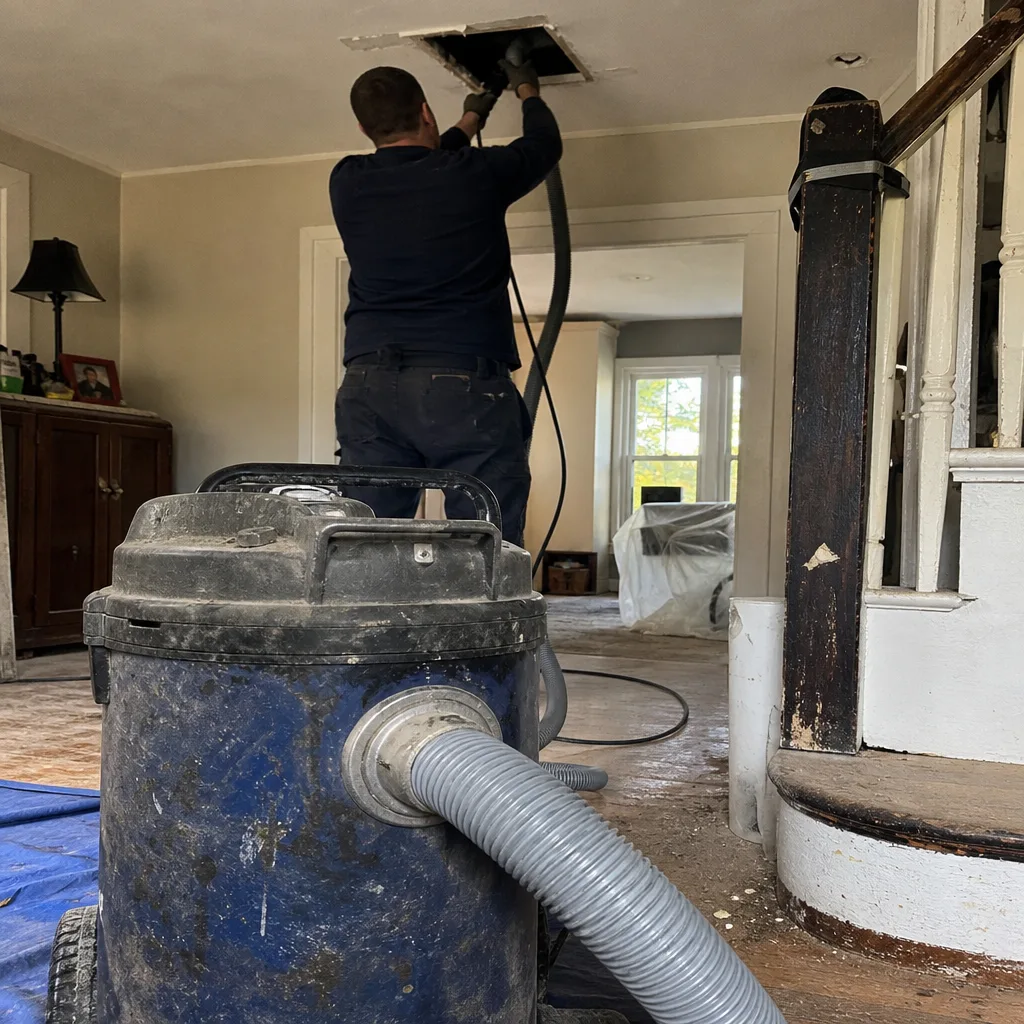 Before
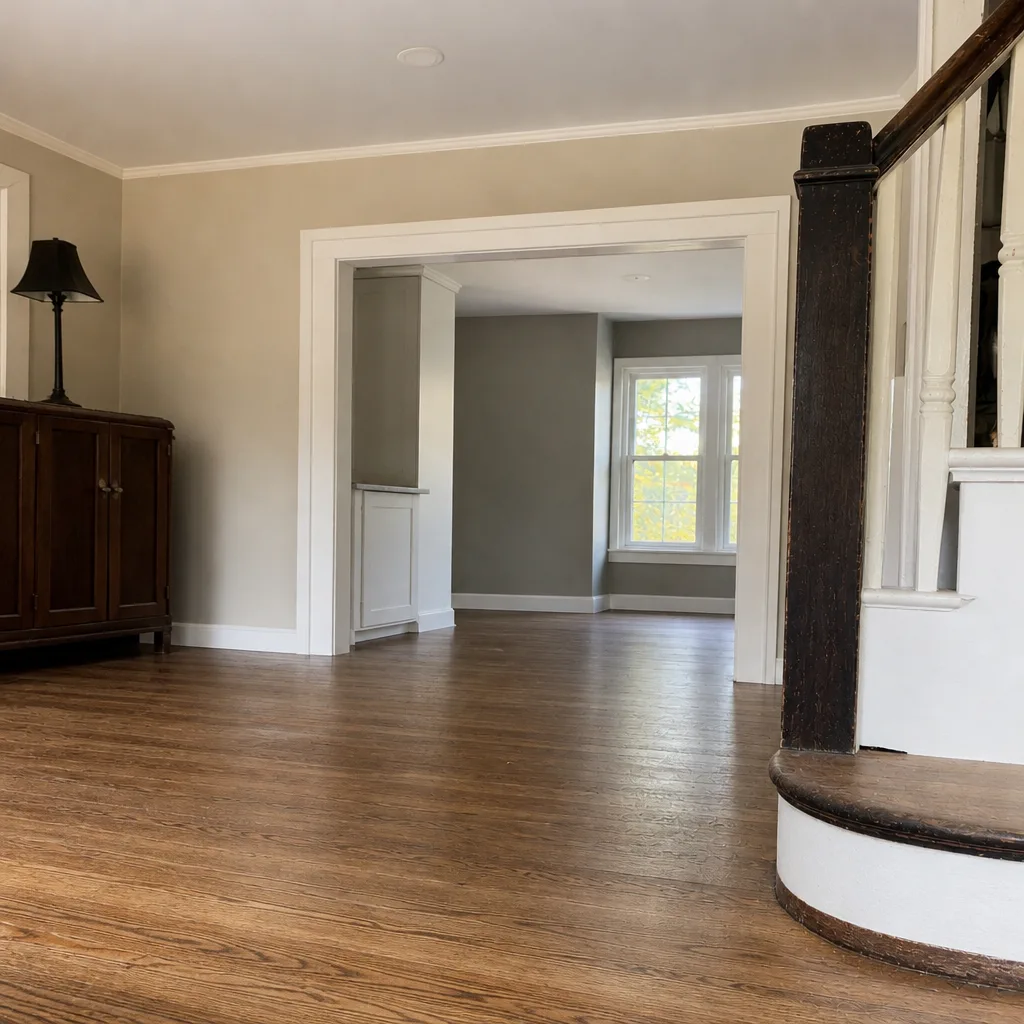 After
Frequently Asked Questions
Air duct cleaning in Oxford Circle is priced per job by written estimate, not per vent, and the final price depends on the number of runs, whether the air handler and coils are included, and what containment method the crew uses. We don’t publish a flat national range because a 900-square-foot rowhouse system and a 2,800-square-foot system with multiple zones are different jobs. Call (833) 498-1334 for an exact quote – estimates are free.
Cheap quotes exist because the business model assumes an upsell once the crew is on site, typically a chemical treatment or a “mold mitigation” package that wasn’t in the original price. The other possibility is that the low number covers only a partial cleaning, or doesn’t include the air handler at all. Ask for an itemized scope before comparing any two quotes side by side.
Yes. You should be present, both to confirm the scope matches the estimate and to receive the before-and-after documentation when the job finishes. Signing off on the walk-through is the last step that protects you if a question comes up later.
Ask for before-and-after photos taken from the same angles, a summary of what was found and cleaned, and camera footage from at least the main trunk and a sample of the branch runs. Camera inspection is part of the diagnostic process and something you can ask about before booking. If a contractor can’t produce documentation, decline the walk-through sign-off until you get it.
Most homes in Oxford Circle don’t need a scheduled interval; they need a clean when there’s a documented reason, such as a renovation that dumped debris into the returns, water intrusion that affected the duct system, visible debris after pest activity, or a new system install. A home with continuous filtration and no exposure usually stretches much longer between cleanings. Ask for an inspection and let the camera answer the question.
Dryer vent cleaning is a separate service and a separate fire-risk concern, and it’s a service we treat as its own job, not as an add-on to a duct cleaning appointment. A clogged dryer vent restricts airflow and is a documented fire hazard, and the cleaning requires equipment sized for it. Ask for it to be quoted separately in the same written estimate.
No. Pennsylvania doesn’t license the duct cleaning trade and doesn’t require NADCA membership, so membership is voluntary. That’s exactly why it’s a useful signal: a contractor who went through voluntary membership in an unregulated trade has made a choice the state didn’t force.
The Bottom Line
The lack of duct cleaning licensing in Pennsylvania puts every Oxford Circle homeowner in the position of being the credential check. What protects you in that gap is written documentation, a named equipment list, verified NADCA membership if the contractor claims it, and an itemized estimate that separates cleaning from sanitizing from any upsell. Ask the five equipment questions before you schedule, request before-and-after photos as a condition of the written estimate, and be ready to walk away when any of those answers doesn’t come clean. A $99 offer isn’t a bargain. A written scope and a documented result is what you’re actually paying for.
Air Duct Cleaning Oxford Circle provides free estimates for homeowners in Oxford Circle and the surrounding Philadelphia area. Call (833) 498-1334. We answer 24/7. Fast dispatch from 7am to 7pm, Sunday through Friday.
Written by the team at Air Duct Cleaning Oxford Circle.