
Last updated November 22, 2026
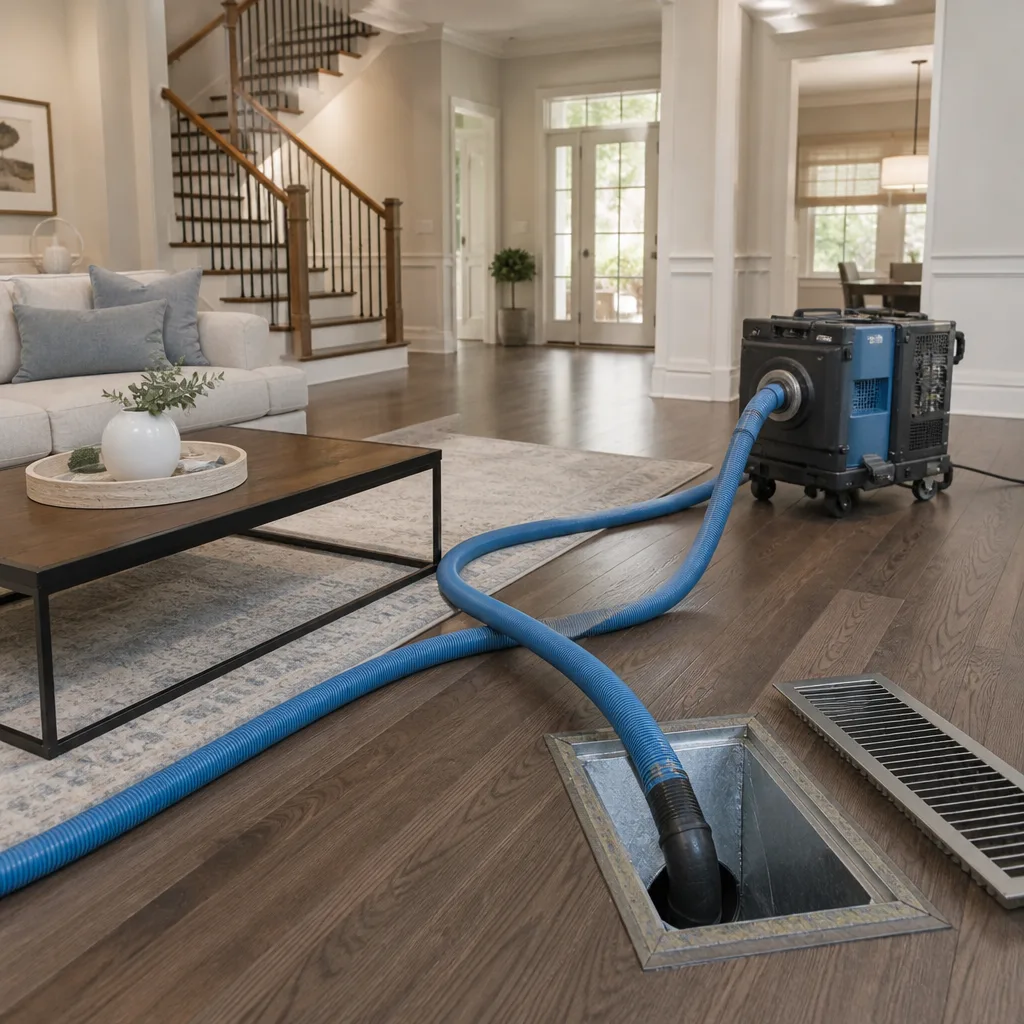 Whole-home duct cleaning
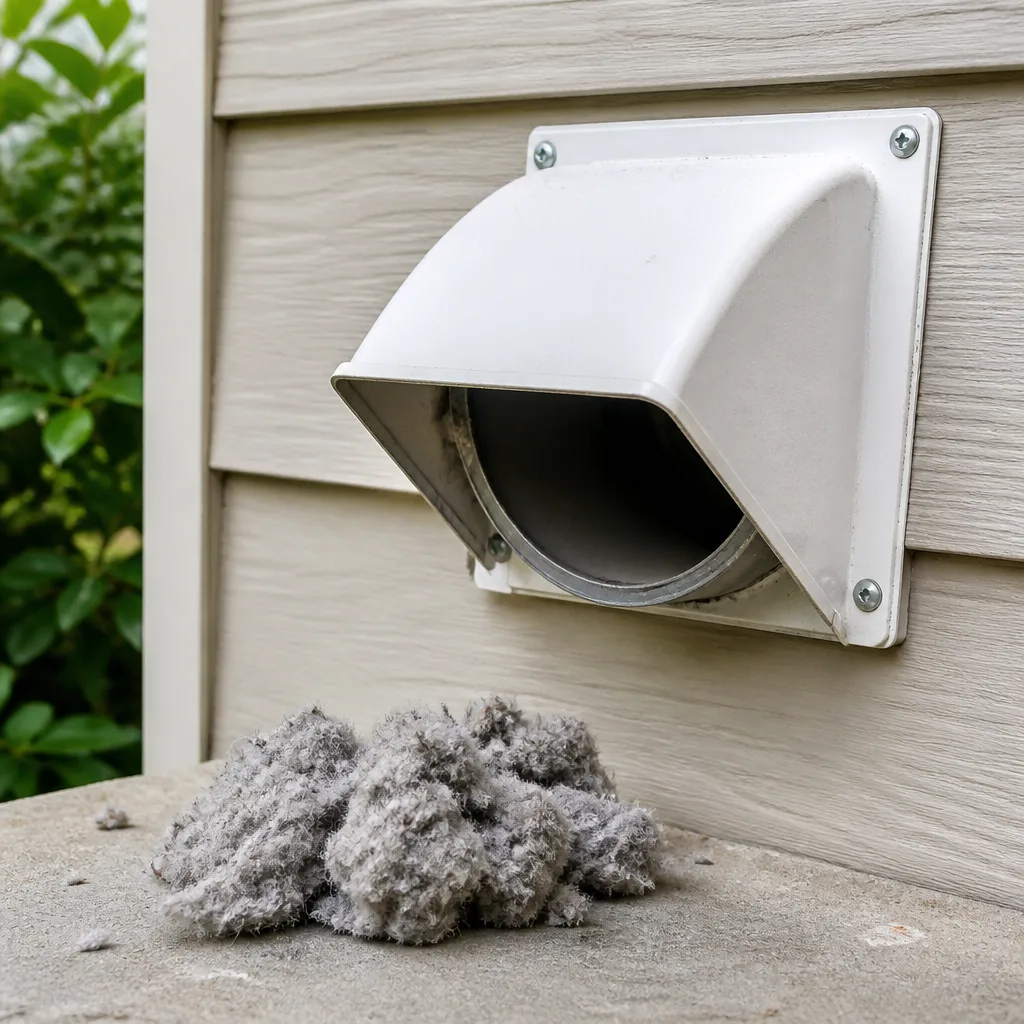 Dryer vent cleaning
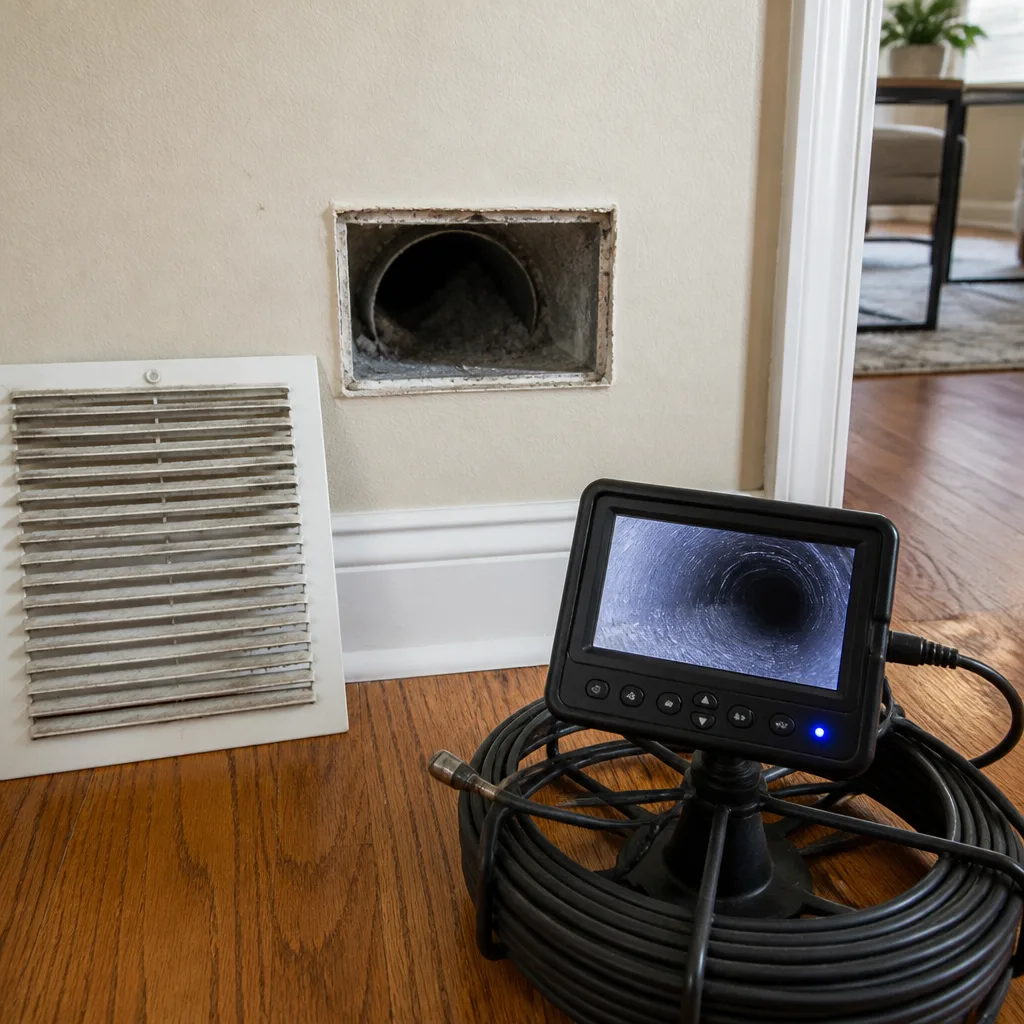 Camera inspection
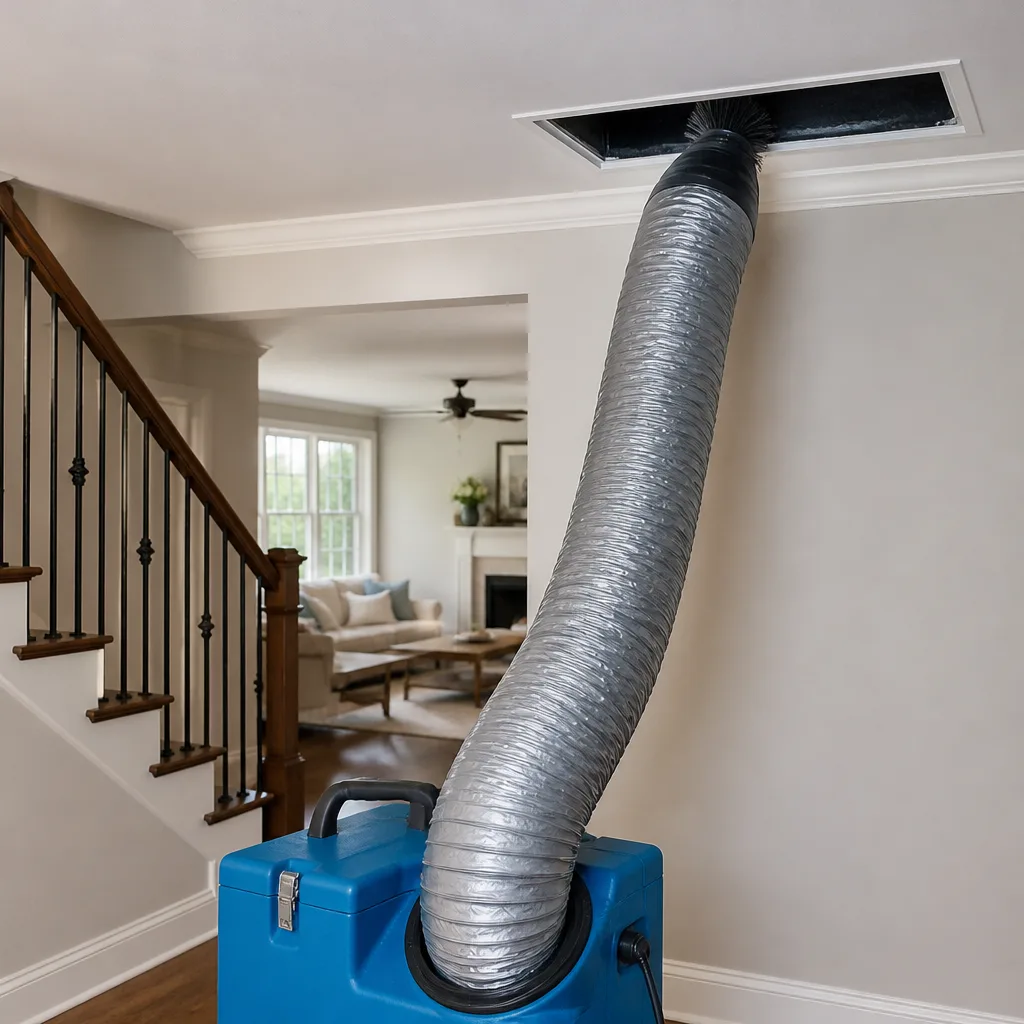 Sanitizing & deodorizing
Whole-system duct and dryer vent check with before-and-after photos - you see exactly what came out of your vents
That "$99 whole-house special" is a bait ad - the real number appears once they are in your hallway, or the "clean" is a shop-vac at the register. We photograph the inside of your ducts before and after instead.
Air Duct Cleaning Cost Breakdown: The Oxford Circle Homeowner’s Reference for 2026
Most duct cleaning cost pages start with a national average, and that number is structurally useless for Oxford Circle. It’s built from a mix of suburban tract homes with short, straight flex runs and apartment units with closet air handlers. An Oxford Circle rowhouse is neither. It usually means a long main trunk squeezed through a narrow basement, decades-old galvanized ductwork, and a return configuration that was sized for an era when one furnace served a household with different habits than yours. Comparing a national average to that house tells you nothing you can use. What actually helps is understanding the five or six variables that a real estimator is looking at when they walk your basement, and knowing which line items belong in a written scope and which are pressure tactics. This guide covers exactly that, so your next three quotes are measuring the same job.
Quick Answer
Air duct cleaning in Oxford Circle typically runs $350 to $650 for a standard rowhouse with one HVAC system, and $550 to $900 when the job includes a second zone, a difficult main trunk, or heavy buildup. Duct repair and sealing or air quality treatment adds separately, usually $200 to $500 depending on scope. The exact number depends far more on duct layout, accessibility, and material than on the square footage of the house, which is why two Oxford Circle homes of identical size can receive quotes that differ by hundreds of dollars.
Styles & brands we work with
- Whole-home duct cleaning
- Dryer vent cleaning
- Camera inspection
- Sanitizing & deodorizing
Table of Contents
- The Five Variables That Actually Drive Price in an Oxford Circle Rowhouse
- What “Per Vent” Pricing Really Means, and Where It Breaks Down
- Legitimate Add-Ons vs. Upsell Pressure: 2026 Price Ranges
- Why the Lowest Quote Usually Omits the Important Parts
- How to Get a Price-Comparable Scope of Work in Writing
- Cleaning vs. Repair, Sealing, and Air Quality: What Each Stage Costs
- How Philadelphia Weather and Oxford Circle Housing Shape the Job
- How Often to Schedule and What a Typical Visit Involves
The Five Variables That Actually Drive Price in an Oxford Circle Rowhouse
Experienced estimators look at five things before they quote a number. None of them are square footage.
1. Linear footage of ductwork. A rowhouse main trunk plus branch runs often totals more linear feet than a similarly sized suburban home, because the runs are longer and tighter. Long trunks mean more surface area, longer cleaning time, and a bigger machine requirement.
2. Number of supply and return registers. A typical Oxford Circle rowhouse carries somewhere between 10 and 18 supply registers plus one or two large returns. Each register needs to be pulled, cleaned, and reset. The return count matters more than most people realize: a single large basement return is straightforward, while multiple smaller returns spread through the house take longer.
3. Accessibility of the main trunk. This is the variable that shifts quotes the most. If the trunk runs openly along the basement ceiling, access is clean. If it’s boxed in behind finished drywall, sandwiched against a low soffit, or buried behind ductwork and plumbing, an estimator has to build in time for careful access work and sometimes for cutting and re-sealing access points.
4. Duct material and age. Original mid-century galvanized duct is durable and cleans well with rotary equipment, but it develops seams that open over time and often needs sealing afterward. Flex duct is easier to clean but tears. Fiberboard duct, where any exists, absorbs contamination and sometimes can’t be cleaned effectively at all – it has to be replaced. Knowing what’s actually behind the registers is why a proper visit matters more than a phone quote.
5. Negative air pressure containment. This is the quiet differentiator. Professional cleaning uses negative air machines and HEPA filtration to keep loosened debris inside a contained work area rather than blowing it into the living space. Setups using Abatement Technologies equipment require bringing and running that equipment. A quote that doesn’t include containment isn’t the same job – it’s a cheaper version of one.
When you understand these five factors, you can see why two homes on the same block receive quotes $300 apart. One has a clean, accessible basement trunk and one does not.
What “Per Vent” Pricing Really Means, and Where It Breaks Down
A per-vent price is a flat fee multiplied by the number of registers. It sounds fair and transparent. In practice, on older multi-zone homes it systematically undercounts cost, because the vent count doesn’t capture the hardest parts of the job.
Here’s the problem in concrete terms. A per-vent quote prices the register, not the branch run behind it. It prices the register, not the main trunk that all the branches feed from. It doesn’t account for the return side at all in many quotes, or prices it as a token addition. And it can’t flex for accessibility. Two Oxford Circle rowhouses with 14 registers each might have wildly different trunk layouts – one open and clean, one boxed in – but the per-vent quote is identical. That’s not a pricing method based on work. It’s a marketing device designed to produce a low headline number.
The consequence shows up later. On the day, the technician “discovers” that the trunk is difficult, that the return is heavily soiled, that the fiberboard section needs attention, and adds charges. The homeowner feels ambushed. The final invoice is far from the quoted figure. This is the most common bait-and-switch pattern in residential duct cleaning, and it’s why per-vent ads show up at the top of every local search while the actual invoice looks nothing like them.
A better approach is a whole-system quote. That means one flat price for the entire air pathway at the address – supply branches, returns, main trunk, coil and plenum – agreed in writing before the technician starts. Not per vent, not per hour, not per “zone discovery.” One price for one job.
We quote Oxford Circle jobs this way for exactly this reason. Our flat price covers the entire system, and it doesn’t change based on what the technician finds behind the first register. Before-and-after photos of your own ducts at the end confirm the work happened. Call (833) 498-1334 and the estimate is free.
Legitimate Add-Ons vs. Upsell Pressure: 2026 Price Ranges
Some add-on services are real and worth doing at the same appointment. Others exist to run up the invoice. The difference is usually clear once you know what’s actually being performed.
Legitimate add-ons with real 2026 price ranges
- Duct repair and sealing: $200 to $450. Sealing open seams and re-taping disconnected joints closes the loop. A cleaned but leaking duct system still loses air and pulls contaminants in from the basement, crawlspace, or garage. This is standard practice at the end of a professional job, not an upsell.
- Microbial sanitizing: $150 to $350. Fogging the cleaned system with an EPA-registered sanitizer addresses mold spores, bacteria, and odor sources. Legitimate when there’s visible growth, a persistent musty smell in Oxford Circle homes, or evidence of past water intrusion in the basement.
- Dryer vent cleaning: $120 to $220. A dedicated service, not an afterthought. Lint buildup in a dryer vent is a documented fire risk. We list it as its own service because it’s a separate job with its own equipment and safety profile.
- HVAC component cleaning: $150 to $350. Cleaning the evaporator coil, blower wheel, and plenum is part of the air pathway. Skipping it means the system re-contaminates itself immediately after cleaning.
- Whole-home filtration upgrades: $250 to $700 parts and install. A media filter cabinet or a higher-MERV upgrade integrated with the existing system using Honeywell or Aprilaire components. Worth it when occupants have allergies or respiratory sensitivity, or when the current filter setup is a bare 1-inch slot.
Pressure tactics that masquerade as add-ons
- “Your ducts have mold and we need to treat them today or the air is dangerous” – mold claims require evidence, not a technician’s eyesight. Ask for a swab test or at minimum a photo of what they’re seeing.
- Enzyme treatments with a substantial fee and no explanation of what the enzyme breaks down. Ask what compound is being applied.
- UV lights sold as a cure-all for duct contamination. UV addresses specific growth on the coil surface, not general duct dirt. It doesn’t replace cleaning.
- Immediate-decision discounts that expire when the technician leaves. A fair price doesn’t vanish in an hour.
In 2026, a full-system job in Oxford Circle that includes cleaning, a modest repair, and a filter upgrade typically lands between $500 and $900 depending on the house. That’s the honest range. A “special” advertised at $99 for the whole job is not a cheaper version of that. It’s a different, less complete job.
Why the Lowest Quote Usually Omits the Important Parts
Three things cost real money on a proper duct cleaning job, and they’re the three things that disappear first when a quote is unusually low. Once you know what they are, you can spot the difference between a real deal and a lead-in price.
- Camera inspection. A professional assessment includes inserting a camera to look inside the trunk and branches before cleaning, and again after. Without before-and-after documentation, there’s no way to verify the work. A company offering a low quote without camera inspection is asking you to take their word for it.
- Containment setup. Negative air machines and HEPA filtration take time to set up and break down. Cleaning without containment is faster and cheaper, and it also blows loosened debris into the room. On a job in an occupied rowhouse with a finished basement, that matters.
- Post-job verification. After cleaning, a real job confirms visually and with photo documentation that the trunk and branches are clear. Skipping that step saves time and means the homeowner has no evidence of what happened inside the ducts.
What do these omissions cost you downstream? Plenty. A cleaning without containment can leave settled dust in living spaces that weren’t protected. A cleaning without repair and sealing leaves the same leaks that caused the accumulation of debris in the first place, so the system re-soils faster. A cleaning without verification often isn’t a complete cleaning at all – the registers get wiped, but the main trunk and the return plenum stay as they were. The downstream cost isn’t just the money spent. It’s paying again for the work that the first company left undone.
Three quotes in Oxford Circle won’t necessarily reveal this difference if you’re comparing only bottom-line numbers. Ask each company what’s included. If one can’t tell you, call the next one. We include all three steps as standard, and we’ll show you the before-and-after photos of your ducts at the end. Call (833) 498-1334 for a written scope.
How to Get a Price-Comparable Scope of Work in Writing
To compare three quotes accurately, they have to be quoting the same job. In practice, that almost never happens on a phone call. Walk through the following steps with each prospective contractor and require the answers in writing before you sign anything.
Step 1: Require an on-site assessment
Any company that quotes your Oxford Circle rowhouse over the phone is guessing. Accessibility of the main trunk, duct material, and return configuration are only visible in person. Insist on a site visit, or at minimum a video call where you walk the basement yourself.
Step 2: Ask for linear footage and register count in writing
The written scope should state how many supply registers, how many returns, and a rough linear footage of duct will be addressed. If those numbers aren’t in the document, the quote is speculative.
Step 3: Confirm the equipment being used
Professional cleaning equipment like Rotobrush and Nikro systems is a different category from consumer machines. Ask what machine will actually be brought, and what containment gear is included. A company using negative air pressure with HEPA filtration – for example, Abatement Technologies equipment – is set up to do a contained job rather than a blow-and-go.
Step 4: Ask which parts of the air pathway are included and which are extra
Ask explicitly: is the evaporator coil cleaned? The blower? The return plenum? The main trunk? Any “no” here is a part of the system the company intends to leave contaminated. Include those answers in your comparison.
Step 5: Require the total price and any optional add-ons in the same document
The written scope should show the base price for the full job, plus optional add-ons with their own prices. That separation is what prevents the technician on-site add-on surprise. Ask for confirmation that the base price will not change based on what’s discovered during the job.
Step 6: Confirm photographic documentation is included
The scope should state that before-and-after photos will be provided. No photos means no verifiable evidence the work happened, and you won’t be able to check later.
Following these steps turns three quotes from three guesses into three comparable documents. Whichever one represents the best complete job at a fair price is the right choice – and it’s often not the lowest number.
Cleaning vs. Repair, Sealing, and Air Quality: What Each Stage Costs
Duct cleaning is one stage of a job that has several. Understanding the stages, and their price ranges, helps you see where a quote sits within a complete scope.
- Air duct cleaning (the core job): $350 to $650 for a single-system Oxford Circle rowhouse, $550 to $900 for two systems or heavy buildup. Covers supply branches, returns, and main trunk cleaning with rotary equipment and containment.
- Dryer vent cleaning: $120 to $220. Separate service, dedicated equipment. Not the same job, and not included in a duct cleaning quote unless stated.
- HVAC component cleaning: $150 to $350.
- Duct repair and sealing: $200 to $450. Sealing open seams and reconnecting separated joints. Without this, a cleaned system re-soils on the same schedule that made cleaning necessary.
- Air quality and sanitizing: $150 to $350 for a fogging treatment, $250 to $700 for adding whole-home filtration with Honeywell or Aprilaire components.
A complete full-pathway job – supply, return, HVAC components, repair/sealing, and air quality treatment – typically lands in the $900 to $1,600 range for an Oxford Circle rowhouse where all stages are needed. Not every house needs every stage. That’s why a diagnostics-first assessment matters: you find out what your system actually needs rather than what a boilerplate package includes. Then you choose.
We organize our work around these five stages because your HVAC system is only as clean as its weakest point. Cleaning the supply side and leaving the return plenum contaminated undoes half the work. Cleaning and not sealing leaves the same energy loss the cleaning was meant to address. Cleaning everything and not treating a microbial issue leaves the biological side untouched. One contractor covering every part of the system means no finger-pointing between a cleaner, a sealing company, and an air quality specialist.
Our technicians have up to 10 years of experience with this equipment. If you want to know what your Oxford Circle system actually needs, call (833) 498-1334 and we’ll walk it end to end. For a closer look at what each stage involves, see our breakdown of air duct cleaning or check the related HVAC cleaning service if the coil or blower is part of the concern.
How Philadelphia Weather and Oxford Circle Housing Shape the Job
Philadelphia’s humid summers and cold winters put more strain on a duct system than the climate of, say, Phoenix or Denver. That’s not air conditioning or heating advertising – it’s the practical reason duct cleaning looks different here than in the national average every cost article cites.
Summers in Philadelphia push humidity high enough that a duct system, especially a basement return that isn’t on conditioned space, is vulnerable to condensation and microbial growth. That’s why microbial sanitizing with a product applied after cleaning is a legitimate line item in Oxford Circle homes far more often than it is in a dry climate. When you smell a persistent musty odor from the registers – especially in summer or after a rainy stretch – that’s the signal to book a cleaning plus assessment rather than a cleaning alone.
Winters push the system hard in the opposite direction. A rowhouse with original galvanized duct from the postwar era has had decades of thermal cycling. Those seams that were tight when the duct was installed have opened. Every opening is a leak. Sealing is where the actual energy savings happen, and it’s why we treat repair and sealing as a core service rather than an optional upgrade.
Oxford Circle’s housing stock adds its own factor. Many properties are rowhouses with shared party walls, tight basement access, and HVAC upgrades added on over the years without reconfiguring the original layout. Flex duct spliced onto sections of old galvanized is common. Each material cleans differently. Each junction is a potential leak. A cleaning that ignores these realities isn’t a cleaning; it’s surface work.
The building code picture is another variable. New duct penetrations or significant modifications sometimes require a permit, and the rules differ street to street based on what was done previously. We don’t quote permit costs, because they vary. When a repair crosses into permit territory, we’ll tell you, and it’s on you to ask your contractor directly if the scope requires a filing before work starts.
How Often to Schedule and What a Typical Visit Involves
Most Oxford Circle homes benefit from a full-system cleaning every three to five years. Homes with pets, recent renovations, visible dust accumulation at the registers, or a household member with respiratory sensitivity often need it more often, sometimes every two to three years. If you’re not sure, the practical test is this: pull a register, aim a flashlight into the branch, and look. Visible dust clinging to the duct walls or debris on the bottom of the run is the signal. No visible dust and normal airflow means you can wait.
A typical visit in Oxford Circle runs three to five hours for a single-system rowhouse. Here’s what it involves:
- Arrival and system walkthrough with the homeowner. The technician confirms the scope agreed in writing before starting.
- Protection of the work area with drop cloths and plastic barrier where needed.
- Camera inspection of the main trunk and a sample of branches. Photos are captured for the before-record.
- Setup of negative air equipment with HEPA filtration to contain loosened debris.
- Rotary cleaning of the supply branches and registers with a machine suited to the duct material at each register.
- Cleaning of the main trunk and return side.
- HVAC component cleaning – evaporator coil and blower – if included in the scope.
- Post-cleaning inspection with camera and photographs.
- Duct repair and sealing at open seams if included.
- Air quality treatment – fogging or filtration install – if included.
- Final walkthrough with before-and-after photos of your own ducts.
We bring Rotobrush and Nikro equipment for the cleaning and Abatement Technologies containment gear for the negative air side. Professional-grade equipment, not consumer tools, is the standard. The point isn’t that it takes longer. The point is that it works, and you can see the result.
For dryer vent cleaning – a separate service with its own schedule – we recommend an annual visit if you use the dryer frequently, and more often in households with long vents or heavy lint accumulation. See our dryer vent cleaning page for the practical details, or start with the overview at Air Duct Cleaning Oxford Circle if you’re new to the service.
Common Mistakes to Avoid
- Accepting a per-vent price as the final price. Almost every advertised per-register figure climbs once the technician is on site. Ask for a whole-system flat price instead, and confirm in writing that it won’t move.
- Comparing quotes that aren’t the same job. If one quote includes containment and camera verification and another doesn’t, the bottom-line numbers are meaningless for comparison. Get the scope in writing on every quote.
- Skipping the return side and the HVAC components. A surprising number of “duct cleanings” address supply registers only. The return trunk and the coil are usually the most contaminated parts. If your quote doesn’t explicitly list them, ask.
- Ignoring basement return contamination in an Oxford Circle rowhouse. The large basement return pulls air from a space that’s often damp and dusty, and it’s where the worst buildup tends to sit. Ask specifically how the return plenum is being cleaned.
- Falling for the ozone generator pitch. Ozone generators are not a substitute for cleaning and can create their own indoor air problems. A professional cleaning with a modest sanitizing fog is the right approach; ozone treatments pitched as a whole-house fix are not.
- Cleaning without sealing. A cleaned but leaking system pulls contaminants back in from the first day. If sealing isn’t in the scope, expect to book another cleaning sooner than you’d like.
- Scheduling the work and never getting photo documentation. Before-and-after photos of your own ducts are the only way to know the work happened. Ask for them before you book, not after.
See the difference
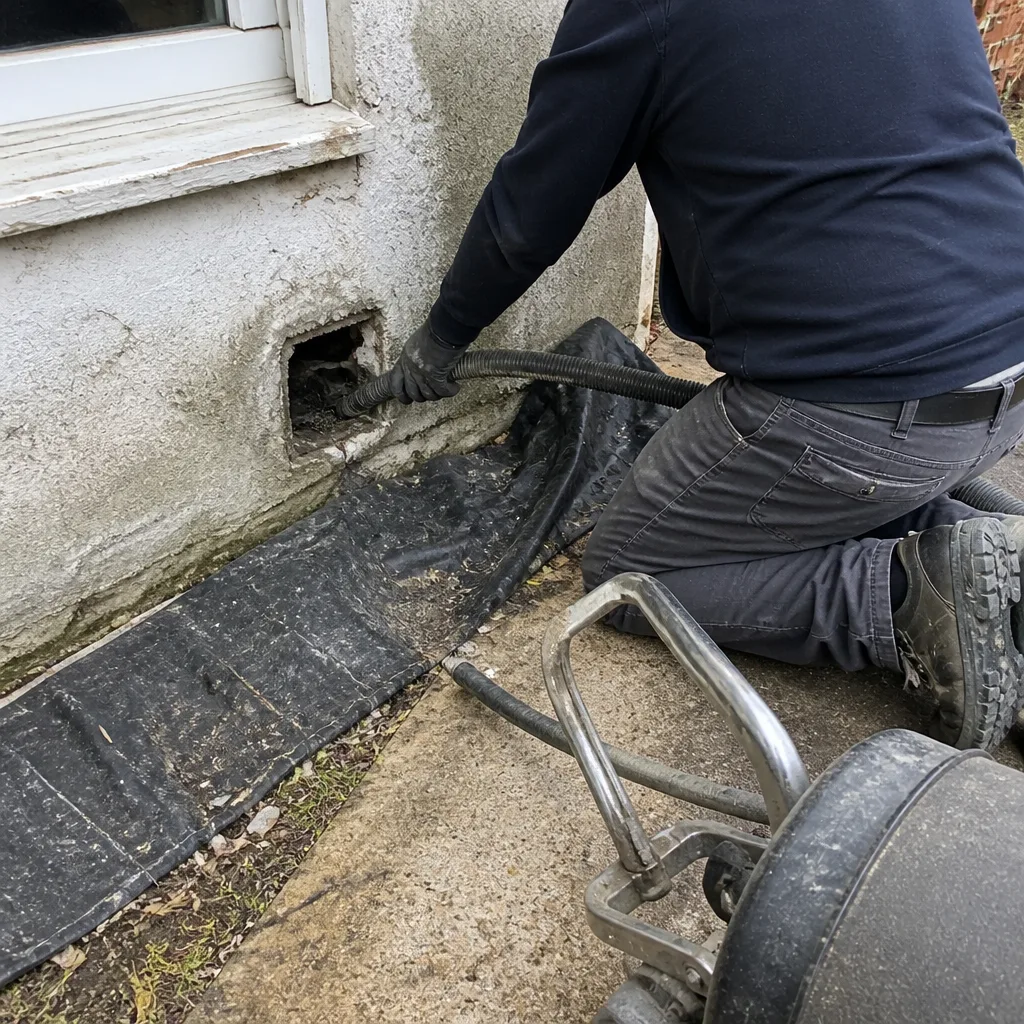 Before
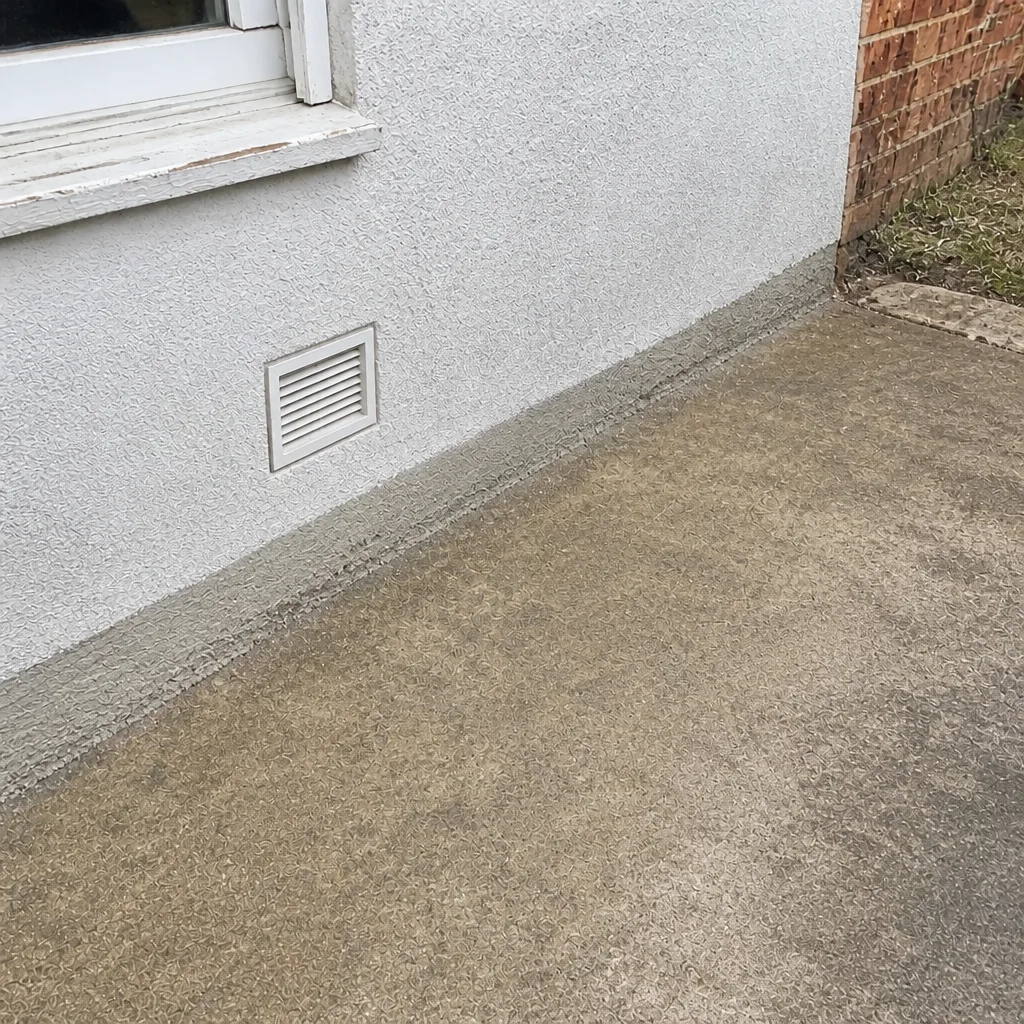 After
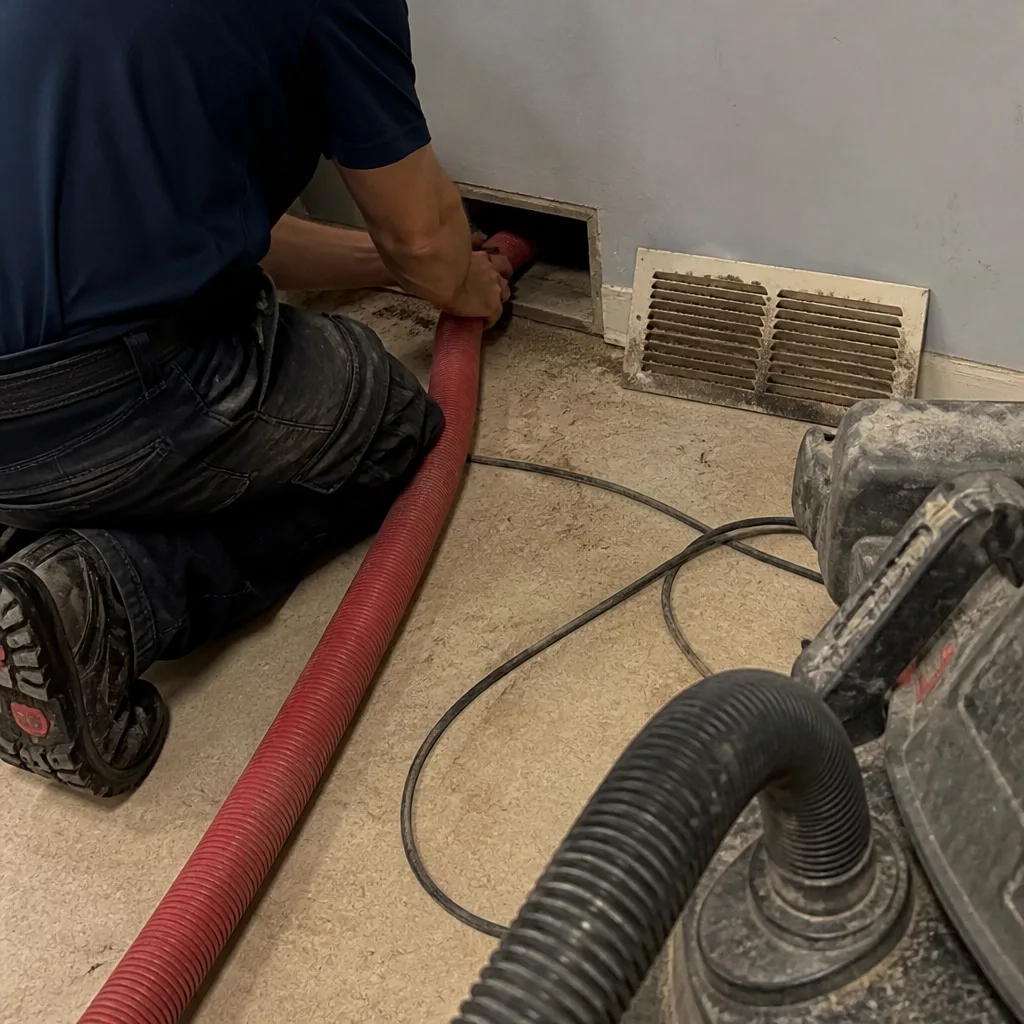 Before
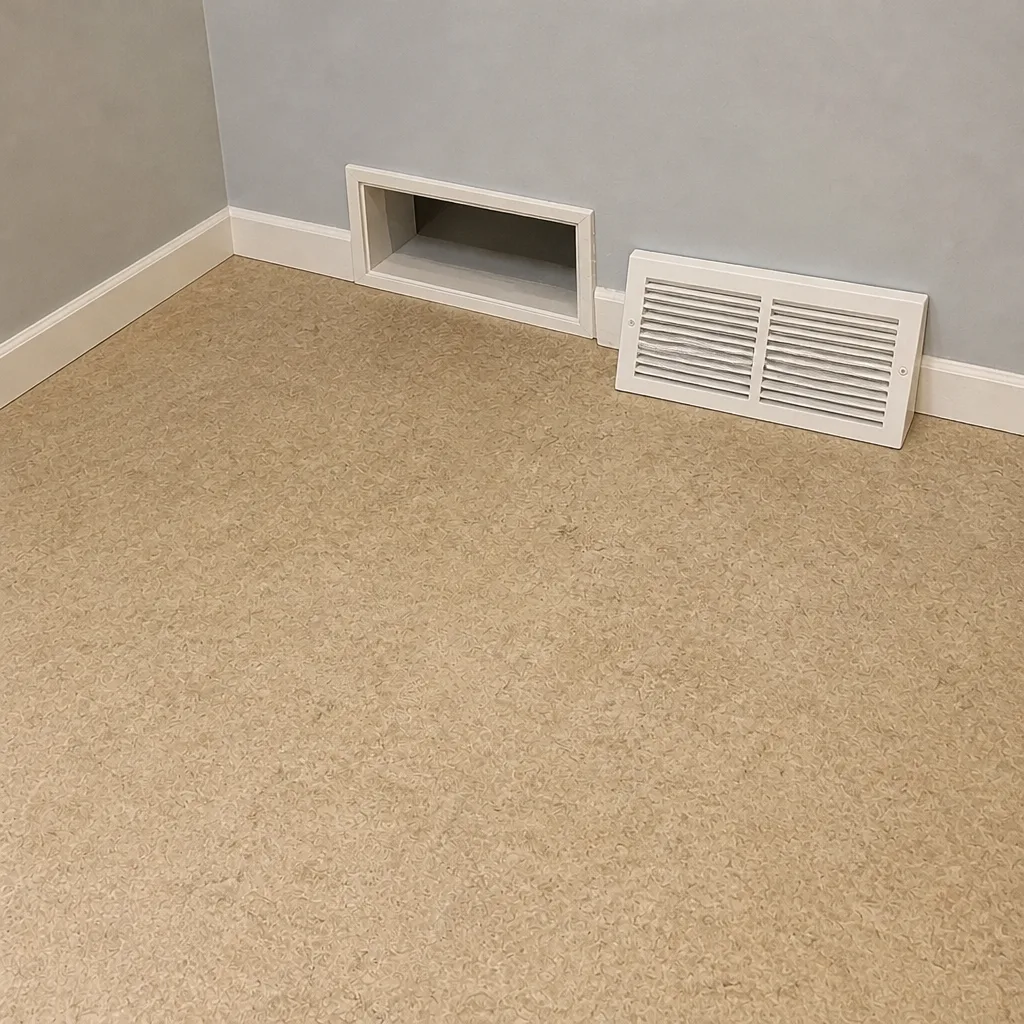 After
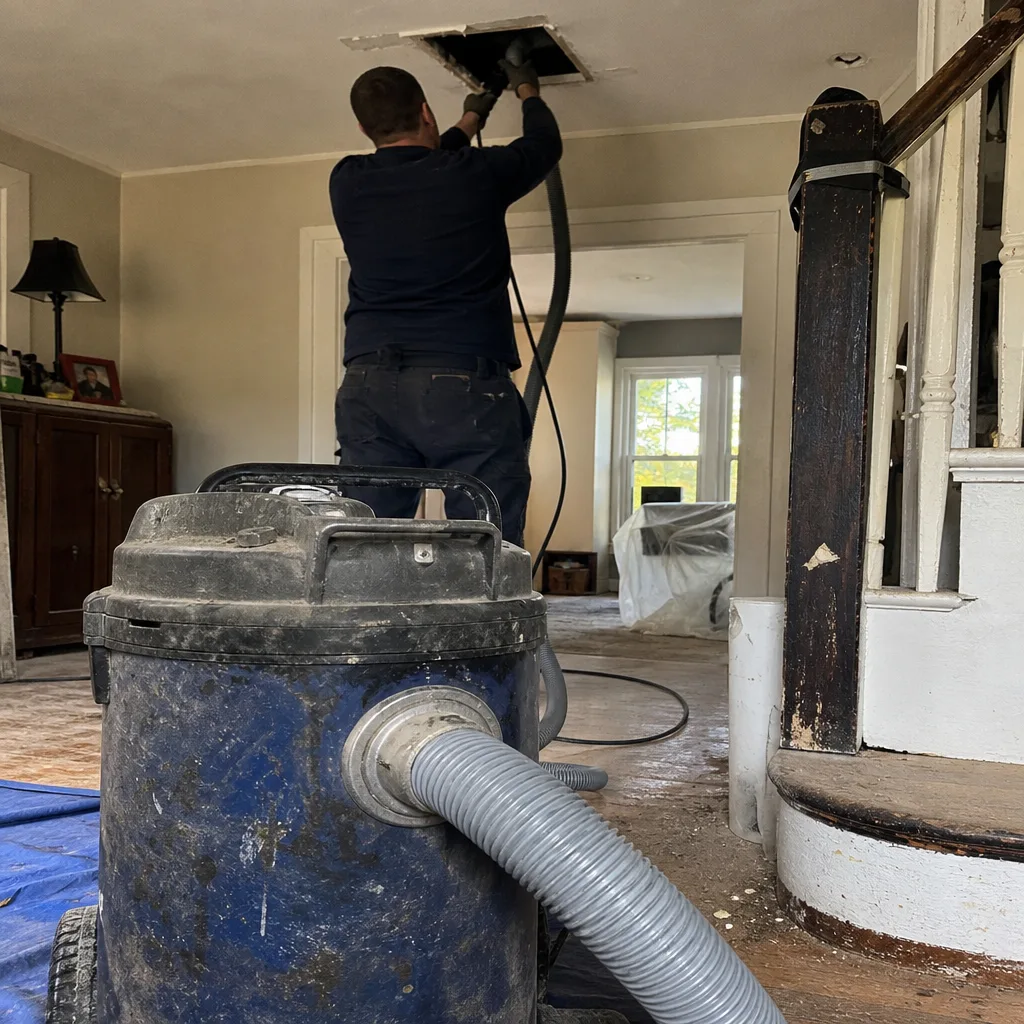 Before
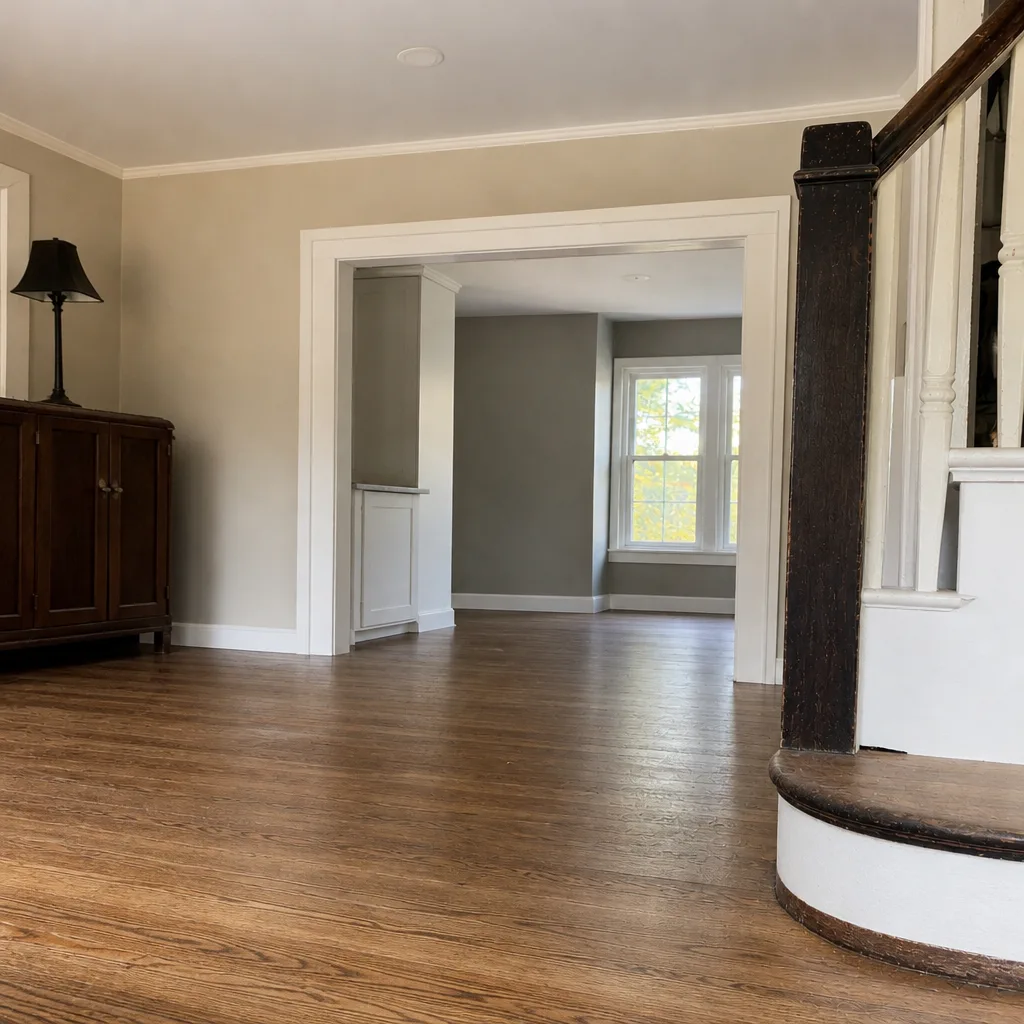 After
When to Call a Professional
Call a professional when you can see visible dust buildup on the register grilles or when you pull a register and the branch is coated, and call sooner if household members with respiratory sensitivity are reacting to the air inside the house. Call when a musty or dusty smell comes through the vents in summer, when airflow at the registers feels weaker than it used to be, or when you’ve finished a renovation that produced dust the system pulled in. Call after a basement or roof leak that may have introduced moisture to the return side. Call before your first heating season if the ducts haven’t been cleaned since you bought the house and you don’t know the last service date. Air Duct Cleaning Oxford Circle offers free estimates in Oxford Circle – call (833) 498-1334. We answer 24/7. Fast dispatch from 7am to 7pm, Sunday through Friday.
Frequently Asked Questions
Most Oxford Circle rowhouses land between $350 and $650 for a single-system cleaning, and $550 to $900 for two systems or heavy buildup. A full-pathway job that adds repair and sealing, HVAC component cleaning, and a filtration upgrade typically runs $900 to $1,600. Call (833) 498-1334 for an exact written quote – estimates are free.
Because they’re describing a different, less complete job. The lowest quote in Oxford Circle almost always omits camera inspection, negative air containment with HEPA filtration, and post-job verification – three things that take real equipment and real time. A cheaper quote isn’t a bargain if the trunk and return aren’t actually cleaned. Call (833) 498-1334 and we’ll send a written scope you can compare line for line.
Before-and-after photos of your own ducts. A professional job includes camera inspection before cleaning and photographic documentation after, and shows those to you before the technician leaves. If a company won’t provide photographic proof, that’s the reason to choose a different company. Call (833) 498-1334 for a scope that includes documentation as standard.
Every three to five years for most homes, and every two to three years for homes with pets, recent renovations, or occupants with respiratory sensitivity. If you’re unsure, pull a register and look inside with a flashlight. Visible dust on the duct walls means it’s time. Call (833) 498-1334 if you want an honest assessment rather than a sales pitch.
Rarely on an older multi-zone Oxford Circle home. Per-vent pricing captures the register count and nothing else – not the trunk, not the return configuration, not accessibility. A whole-system flat price is the only way to know in advance what you’ll pay. Call (833) 498-1334 and we’ll quote the entire system up front.
Sometimes. Original galvanized duct cleans well with rotary equipment. Fiberboard duct with damaged, moisture-affected liner often can’t be cleaned effectively and needs to be replaced or relined – which is a bigger job with a separate price. A proper on-site assessment with a camera is the only way to know which category your ducts fall into. Call (833) 498-1334 to book an assessment.
The Bottom Line
Duct cleaning prices in Oxford Circle depend far less on the size of the house than on the five variables that matter: linear duct footage, register and return count, trunk accessibility, duct material and age, and whether the job includes negative air containment. A whole-system flat price, agreed in writing before work starts, with camera inspection and photographic verification built in, is what a real quote looks like. Per-vent pricing is a marketing device that systematically undercounts cost on rowhouses. Extra services like repair and sealing, HVAC component cleaning, sanitizing, and filtration upgrades are legitimate when the system actually needs them, and a diagnostics-first assessment tells you which apply and which don’t. Get three quotes, request the same written scope from each, and choose the one that describes a complete job at a fair price. Call (833) 498-1334 for a free estimate from Air Duct Cleaning Oxford Circle.
Contact
If you’ve read through this guide and you’d like to see what a proper quote for your rowhouse actually looks like, we’re ready. Call Air Duct Cleaning Oxford Circle at (833) 498-1334 for a free estimate. We answer 24/7. Fast dispatch from 7am to 7pm, Sunday through Friday. Our technicians have up to 10 years of experience with Rotobrush, Nikro, and Abatement Technologies equipment, and every job comes with one flat price per system agreed before work starts, before-and-after photos of your own ducts, and our satisfaction guarantee. No per-vent gimmicks, no bait-and-switch, no surprise invoice when the technician pulls the first register.
Written by the team at Air Duct Cleaning Oxford Circle.