
Last updated November 22, 2026
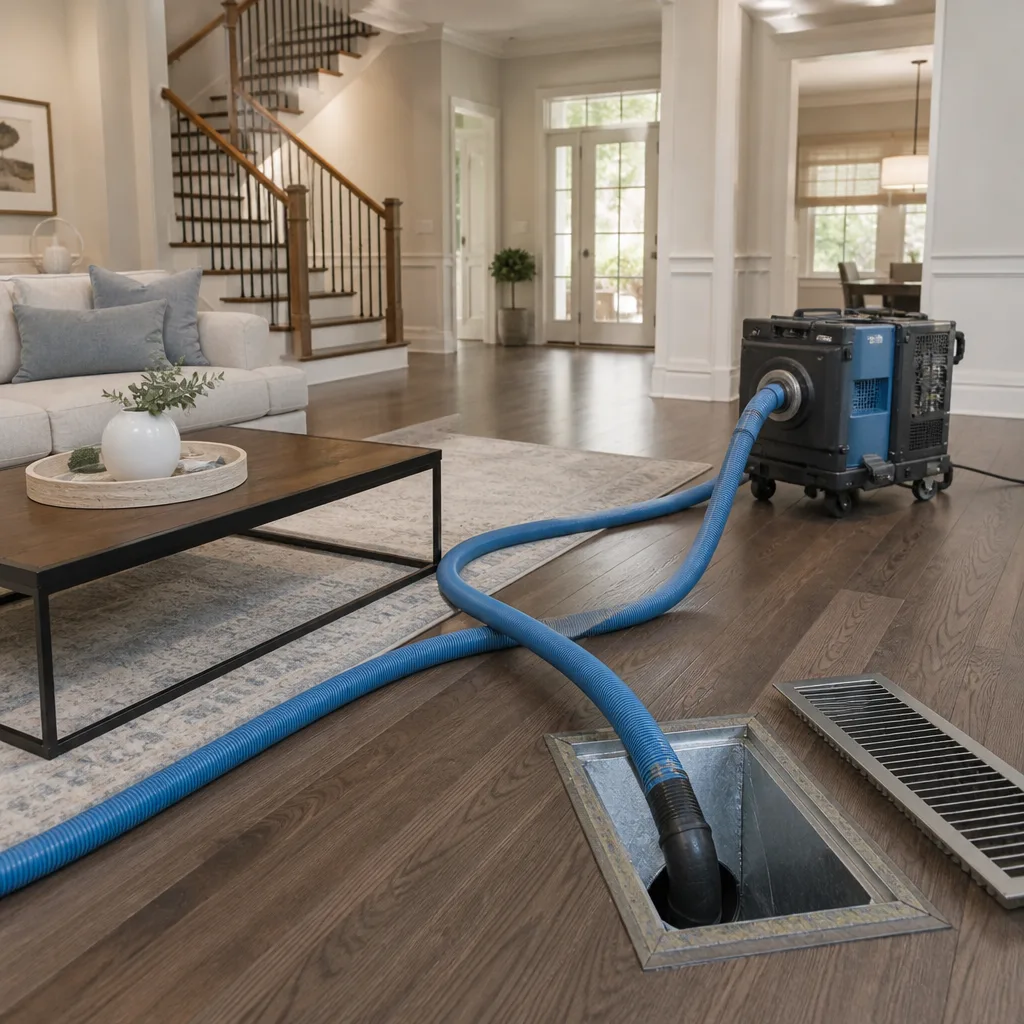 Whole-home duct cleaning
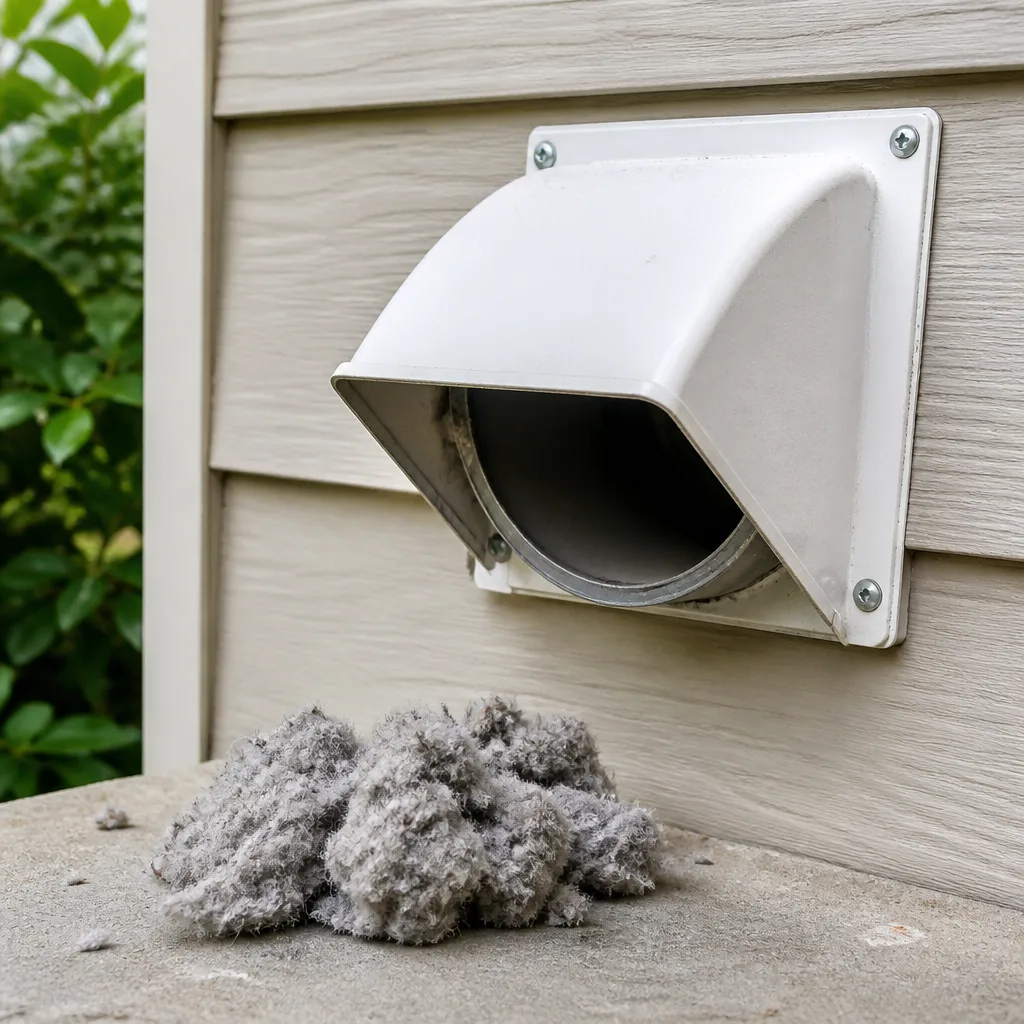 Dryer vent cleaning
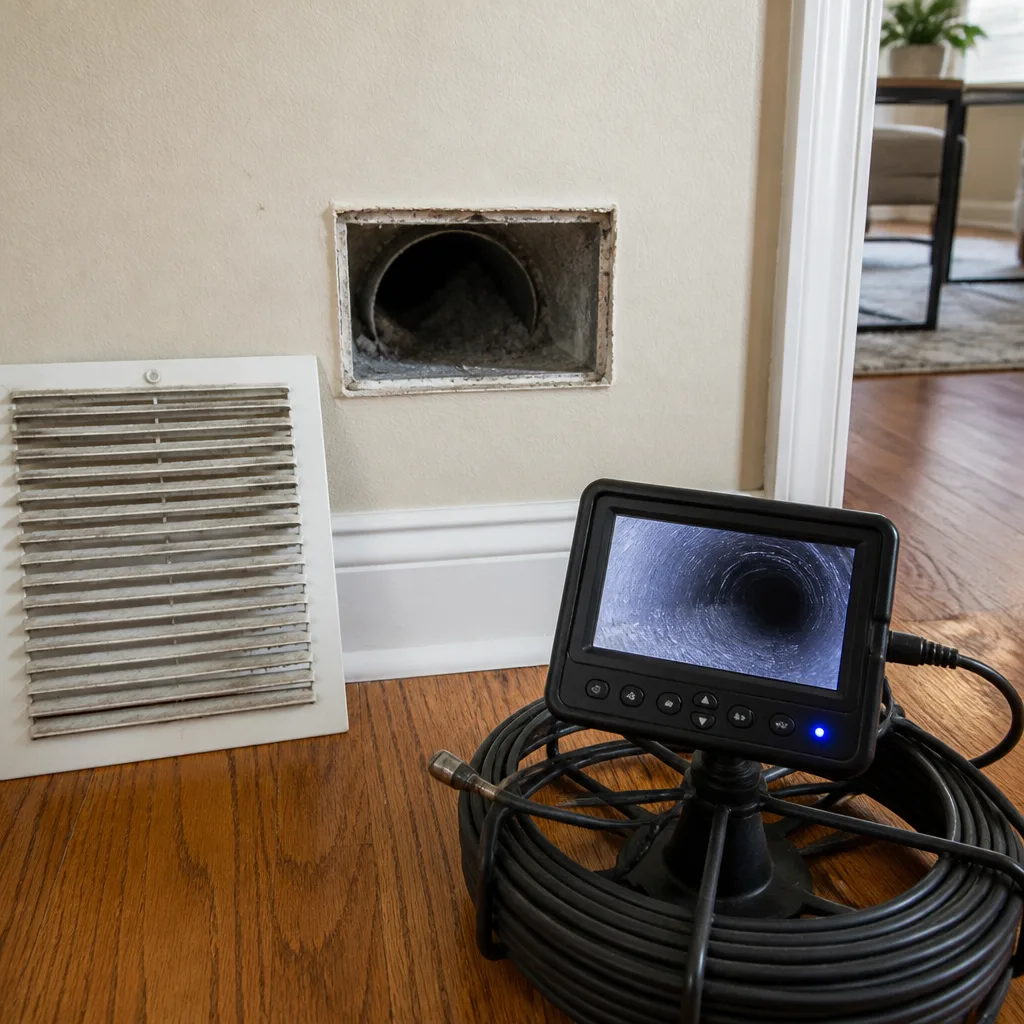 Camera inspection
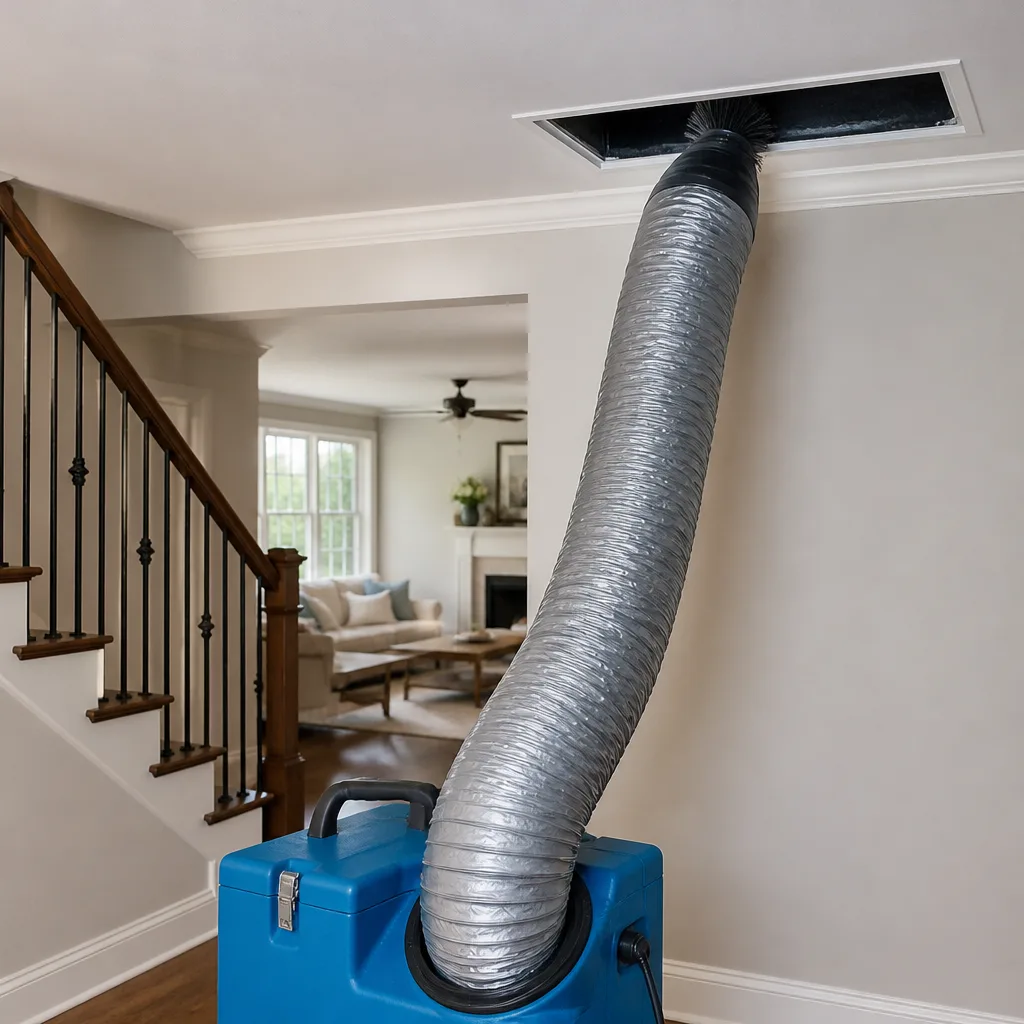 Sanitizing & deodorizing
Whole-system duct and dryer vent check with before-and-after photos - you see exactly what came out of your vents
That "$99 whole-house special" is a bait ad - the real number appears once they are in your hallway, or the "clean" is a shop-vac at the register. We photograph the inside of your ducts before and after instead.
Air Duct Cleaning Permits, Codes & Inspections in Oxford Circle, PA: What You Need to Know
Most homeowners assume that anything involving ducts needs a permit and a municipal inspection. That’s the first thing to get straight: cleaning the inside of your ducts doesn’t require one. Repairing them, moving them, or tying new ductwork into your HVAC system often does, and Philadelphia’s licensing and inspections department treats unpermitted HVAC alterations as a real title problem when an Oxford Circle rowhouse goes up for sale. This guide walks you through where the line falls between maintenance and alteration, which duct sealing work stays permit-free, how the Pennsylvania Uniform Construction Code applies to pre-code rowhouses, what paperwork to collect after any repair, and how to keep a routine cleaning job from quietly turning into a permit referral. If you’ve ever wondered whether the contractor on your porch needs a permit to be there, this is the page for you.
Quick Answer
Air duct cleaning alone does not require a permit in Oxford Circle or anywhere else in Pennsylvania. What can require a permit is the repair, alteration, or replacement of ductwork connected to your HVAC system, because Philadelphia enforces the Pennsylvania Uniform Construction Code and classifies system alterations as permitted work. Simple maintenance like cleaning, minor mastic sealing at accessible joints, and filter changes falls outside permit territory. Structural duct changes, new duct runs, and HVAC modifications generally do not.
Styles & brands we work with
- Whole-home duct cleaning
- Dryer vent cleaning
- Camera inspection
- Sanitizing & deodorizing
Table of Contents
- Maintenance vs. Alteration: Where the Line Falls
- When Duct Sealing Needs a Permit and When It Doesn’t
- How the Pennsylvania UCC Applies to Oxford Circle Rowhouses
- What Documentation to Request After Duct Repair
- The Scenario That Triggers an L&I Referral
- Getting Your Ducts Inspection-Ready
- Common Mistakes to Avoid
- When to Call a Professional
Maintenance vs. Alteration: Where the Line Falls
Pennsylvania’s Uniform Construction Code draws a practical distinction that matters more than most homeowners realize. Maintenance is work that keeps a system performing as designed without changing its capacity, layout, or function. An alteration changes something about the system itself: its path, its size, its connections, or the equipment driving it. The state code and the Philadelphia amendments built on top of it lean on that distinction when deciding what needs a permit.
Cleaning ducts is maintenance. So is replacing a filter, wiping down a register, or resealing a joint that has come loose at an accessible location. None of that changes the system. What does need a permit is anything that touches the geometry or capacity of the ductwork: adding a run to a room that didn’t have one, rerouting a trunk line, replacing a section of duct with a different size, or removing ductwork entirely as part of an HVAC change-out.
In Oxford Circle specifically, most of the housing stock is mid-century rowhouse construction where ductwork was squeezed into tight chases and joist bays during the original build. There usually isn’t a lot of slack. When a technician recommends rerouting a run because the current path is pinched, that conversation has just crossed into permitted-work territory, and it’s worth knowing that before the saw comes out.
Quick rule of thumb
- No permit: cleaning, filter swaps, register reseating, sealing accessible joints with mastic or approved tape.
- Permit typically required: new duct runs, rerouting, resizing, replacing flex with hard duct, disconnecting and reconnecting to a new air handler or furnace.
- Ask first: sealing inside a chase or wall cavity, adding a return, or any change that affects system static pressure.
The safest position on any borderline job is to ask Philadelphia’s Department of Licenses and Inspections directly. It costs nothing to call and ask, and it’s far cheaper than discovering an unpermitted alteration during a home inspection two years later.
When Duct Sealing Needs a Permit and When It Doesn’t
Sealing is the fuzziest part of this whole topic, and it’s where we see the most confusion. The good news is that the line is fairly clear once you understand what sealing actually changes. Sealing a leak does not alter the system. It restores it to the condition it was engineered for. That’s maintenance, plain and simple, and it does not require a permit in Oxford Circle.
What we do routinely, and what stays permit-free: brushing mastic onto accessible joints where duct sections meet, taping longitudinal seams that have separated, sealing register boots to the subfloor, and closing gaps at the plenum where the trunk meets the air handler. All of this is repair and restoration work, and none of it changes the system’s layout or capacity.
Where it gets murkier is when the sealing requires opening a wall or a ceiling chase to get at a leak. Structural opening triggers a different permit conversation, one that falls outside our scope and often outside the scope of any duct cleaner. If the only way to reach a leaking joint is to cut into drywall, the job has become a general construction matter and should be handled as such.
What our sealing work actually involves
When we run duct repair and sealing as part of a cleaning visit, we’re working with what’s accessible. That means:
- Inspecting every accessible joint, seam, and connection in the system.
- Marking the leaks we can reach with a visual tag so the homeowner sees the scope before any work starts.
- Sealing with mastic, foil tape appropriate for the duct material, or mechanical fasteners where the joint has separated.
- Re-checking airflow at the registers after sealing to confirm the work actually improved delivery.
- Photographing every sealed joint so there’s a record of what was done and where.
That’s maintenance, not alteration, and no permit is needed. When the scope grows beyond that – new duct, rerouted duct, or a change to the HVAC itself – we stop and have the permit conversation with the homeowner before proceeding. If the scope crosses into permitted work, we connect them with the appropriate licensed trade rather than pushing forward without a permit.
How the Pennsylvania UCC Applies to Oxford Circle Rowhouses
Philadelphia adopted the Pennsylvania Uniform Construction Code as its building standard, and the city administers it through the Department of Licenses and Inspections. That code covers all new construction and all alterations to existing structures, including HVAC systems. The tricky part for Oxford Circle is that many of the neighborhood’s rowhouses were built before any of this existed. Pre-code construction is grandfathered for its original condition, but the moment an alteration happens, the altered portion has to comply with the current code.
What that means practically is this: a duct system that was installed in the 1950s and has been sitting quietly ever since is legally fine. It’s grandfathered. But the moment someone reroutes a trunk line or adds a run to an unfinished basement, that new work is subject to UCC requirements, and a permit is usually the mechanism for verifying it. The grandfather clause doesn’t protect unpermitted alterations.
Oxford Circle’s housing mix matters here. The neighborhood sits in Northeast Philadelphia, and the rowhouse stock generally falls into two buckets: original mid-century construction and the 1980s-2000s infill that replaced some of the older blocks. The original homes tend to have smaller duct systems with tighter chases and less room for alteration. The newer homes often have better-engineered systems but were sometimes modified by prior owners in ways that aren’t documented anywhere. Both situations call for the same thing: a careful look at the system before assuming anything about what’s permitted.
Pre-code realities worth knowing
- Grandfathered duct systems are legal as-is, but alterations trigger current code compliance.
- Older return systems in Oxford Circle rowhouses are often undersized by modern standards; improving them may require a permit.
- Duct systems hidden behind finished basement ceilings are harder to inspect; document what you can and note what you can’t.
- If a prior owner modified the system without a permit, that history travels with the house, not the owner.
We’ve seen plenty of duct cleaning jobs start with a routine appointment and end with a recommendation to get L&I involved because of a prior unpermitted alteration. We can identify the signs – duct routing that doesn’t match the original layout, mismatched duct materials, or a return system that was clearly retrofitted – but the permit history itself has to come from the city.
What Documentation to Request After Duct Repair
Any contractor who performs duct repair work on your home should hand you two things when the job finishes: a written scope of what was done and, when a permit was pulled, a certificate of completion or permit sign-off from L&I. That second document is the one that protects you at resale. Without it, a title search during a sale can surface an unpermitted alteration and delay closing while the buyer and seller sort out who’s responsible.
Here’s what to collect, in order, on the day the work is finished:
- A written scope describing the specific repairs performed, including location and materials. Not just a receipt.
- Before-and-after photographs of every joint or section that was repaired or sealed. Photos are the easiest way to prove the work happened.
- A permit number and inspection sign-off if the work required a permit. This is the L&I paperwork that proves the alteration was legal.
- The contractor’s business identification and license status as required by the state. Keep it with the other documents.
- A certificate of completion that lists the address, the work performed, and the date. File this with your property records, not in a drawer.
The certificate of completion is the piece most homeowners skip, and it’s the one that saves the most hassle at resale. If the work didn’t require a permit, the certificate of completion still serves as a record of the maintenance repair, which is useful documentation for a buyer who asks what’s been done recently.
What to ask before work starts
Ask the contractor directly: does this job require a permit, and who’s pulling it? A straight answer to that question tells you a lot about how the rest of the job will go. Contractors who do permit-required work regularly know the answer without checking. Contractors who don’t know the answer shouldn’t be doing the work. Call (833) 498-1334 if you want a second opinion on a scope before you commit to it. We answer 24/7. Fast dispatch from 7am to 7pm, Sunday through Friday.
The Scenario That Triggers an L&I Referral
The most common path from a routine duct cleaning to an L&I referral looks like this: a homeowner books an air duct cleaning appointment because of poor airflow or musty odors, the technician arrives and finds ductwork that’s clearly been modified from the original layout, and the question becomes whether the modification was permitted. Sometimes the answer is yes and everything is fine. Sometimes the answer is no, and that’s when the homeowner needs to know what to do next.
We don’t refer homeowners to L&I lightly. It’s a real conversation, and it should happen only when there’s a genuine question about the legality of prior work. Here’s the sequence we walk through when it comes up:
- Confirm the alteration. Compare the current duct layout against what’s typical for the home’s era and construction type. Mismatched materials, unusual routing, and connections that don’t match the surrounding ductwork are the usual tells.
- Ask the homeowner what they know. Often the current owner didn’t do the work and never had documentation from the seller. That’s not a problem yet, but it needs to be known.
- Determine whether a permit was ever pulled. If the homeowner has records, review them. If they don’t, L&I can search the permit history for the address.
- Decide the path forward. If the alteration predates code adoption and is functioning safely, the practical answer is often to document it and move on. If the work is recent and unpermitted, the homeowner should have a conversation with L&I about how to bring it into compliance.
- Clean and seal what’s legal to clean and seal. Nothing about a permit question stops us from doing the maintenance work the system needs. Cleaning and accessible sealing are always in scope.
What we won’t do is proceed with new alterations on a system we know is unpermitted. That’s not a legal position we’re willing to put a homeowner in. If your ducts need a change that requires a permit, we’ll tell you so before anyone touches a tool.
Getting Your Ducts Inspection-Ready
When a home is going up for sale in Oxford Circle, the buyer’s inspector will often look at the ductwork and ask questions. Getting the system inspection-ready ahead of time saves a lot of back and forth. The best way to do this is to schedule the cleaning and any qualifying repair work before the listing goes live, collect the documentation, and have it ready for the buyer’s inspector.
What an inspector typically looks for on the duct side:
- Duct material consistency along each run. A flex line stapled into a hard duct trunk with no proper connector is a red flag.
- Visible signs of disconnected joints, especially at the plenum and any seams in unfinished spaces.
- Evidence of prior retrofits that don’t match the home’s construction era.
- Whether the registers are actually delivering air at a reasonable static pressure.
- Any documentation to show recent maintenance and repair work.
If a full HVAC cleaning has been done at the same time, that’s another strong documentation point. The buyer’s inspector usually responds well to before-and-after photos and a written scope. Both come standard with any repair and sealing visit we perform.
A practical pre-listing checklist
- Schedule duct cleaning before the listing goes live. Don’t wait for the buyer’s inspection to find the issues.
- Get a written scope and before-and-after photos of any repair or sealing work.
- Pull the permit history from L&I for the address if there’s any question about prior work.
- File the certificate of completion with your property records and make a copy for the eventual buyer.
- Bundle everything in one folder for the sale. Title searchers and buyers appreciate it.
One of the things we do on every Oxford Circle call is photograph the accessible interior of the duct system. That record alone can answer a lot of buyer questions that would otherwise require a second inspection.
Common Mistakes to Avoid
- Assuming cleaning needs a permit. It doesn’t. Cleaning and routine maintenance are not permitted work anywhere in Philadelphia. Hiring a contractor who claims to pull a permit for a basic cleaning is a red flag, not a green one.
- Assuming repair doesn’t need one when it does. The inverse mistake is just as costly. If the duct layout is being changed, a permit is likely required, and prior unpermitted alterations can delay a sale.
- Skipping the certificate of completion. A receipt is not a certificate. Ask for the document, keep it with your property records, and don’t assume the contractor will send it later.
- Sealing inside a wall without opening it legally. Cutting a wall to reach a leak requires a different permit and a different trade. Don’t let an eager contractor start opening drywall without establishing the scope first.
- Letting a contractor reroute ductwork without a permit on a promise of “it’s fine.” The homeowner carries the legal exposure at resale, not the contractor.
- Forgetting the dryer vent. A blocked dryer vent is a documented fire risk, and dryer vent cleaning is maintenance that doesn’t require a permit. It should be part of any full-system review.
- Hiring on coupon price alone. The cheapest quote in a neighborhood full of rowhouses with tight chases and small systems usually has a scope that doesn’t match the work. Ask what’s actually included before comparing prices.
See the difference
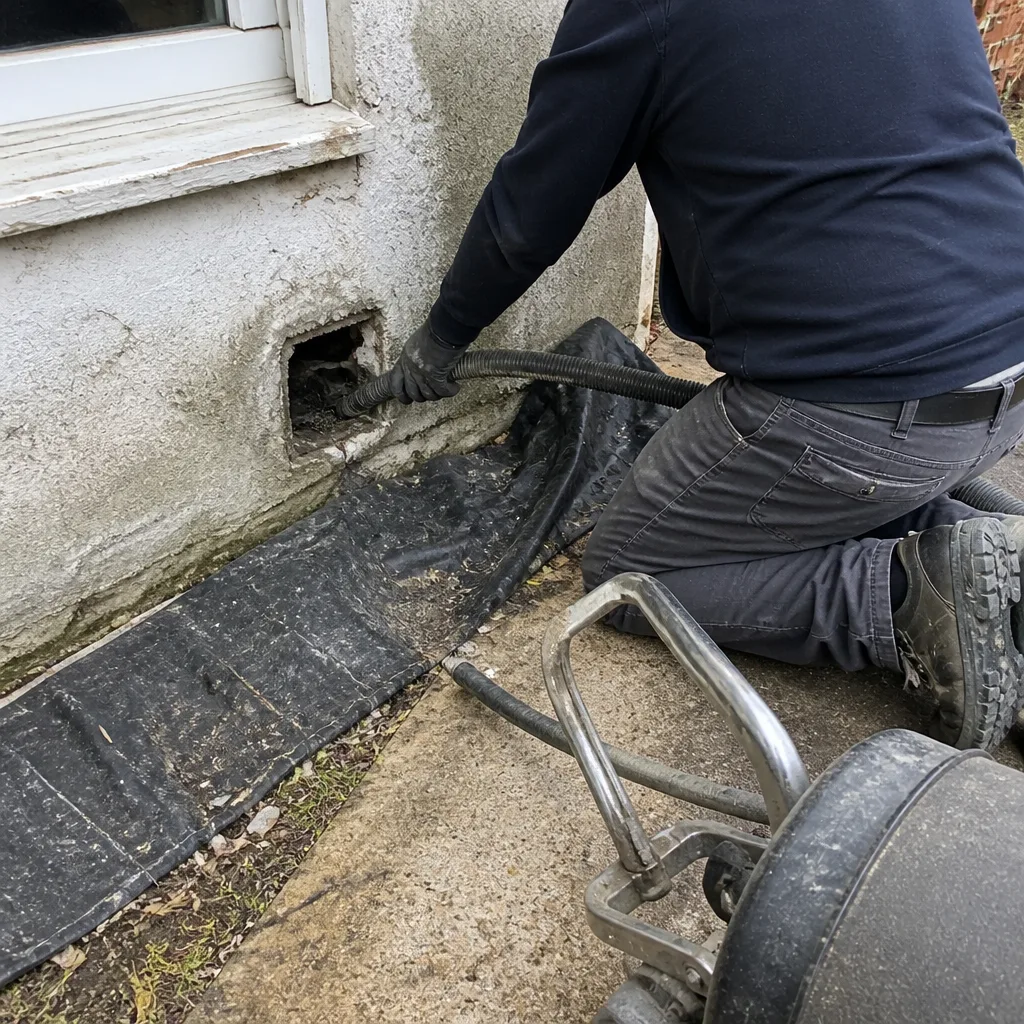 Before
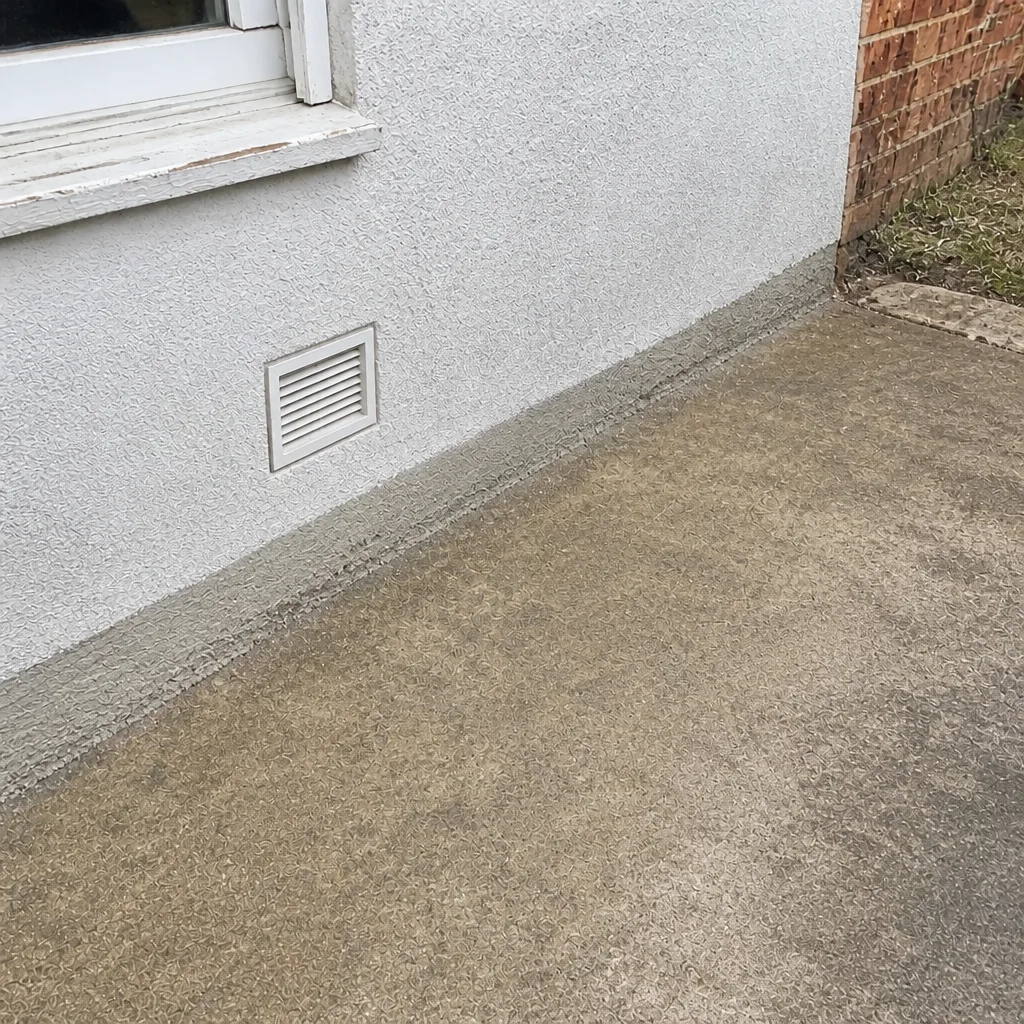 After
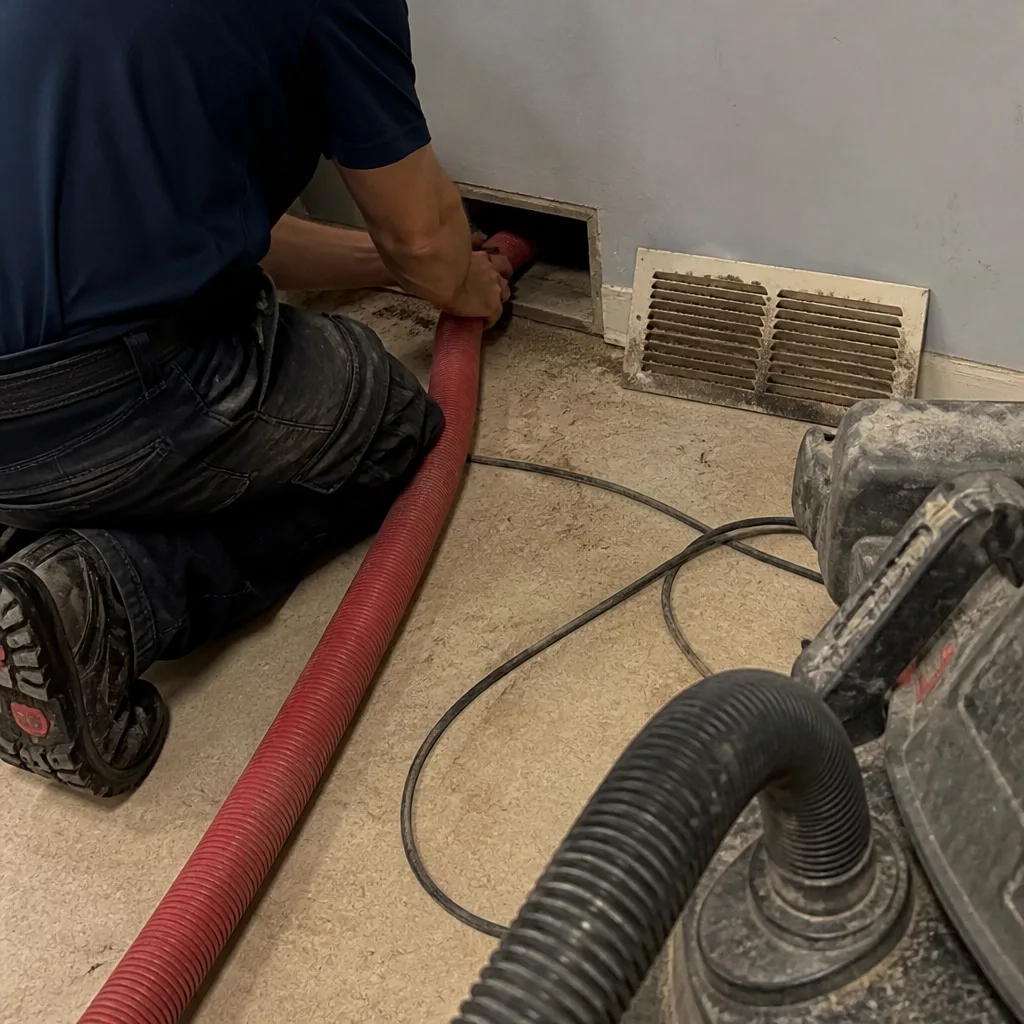 Before
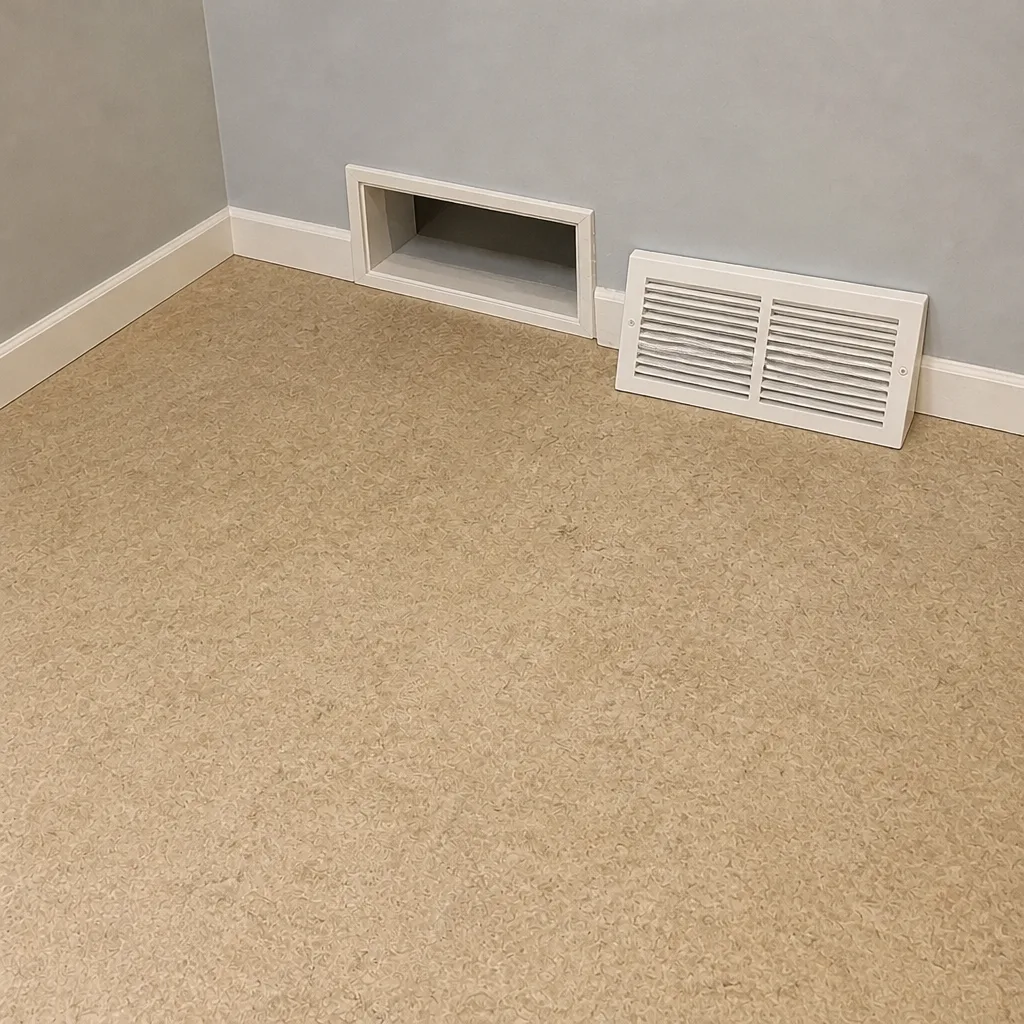 After
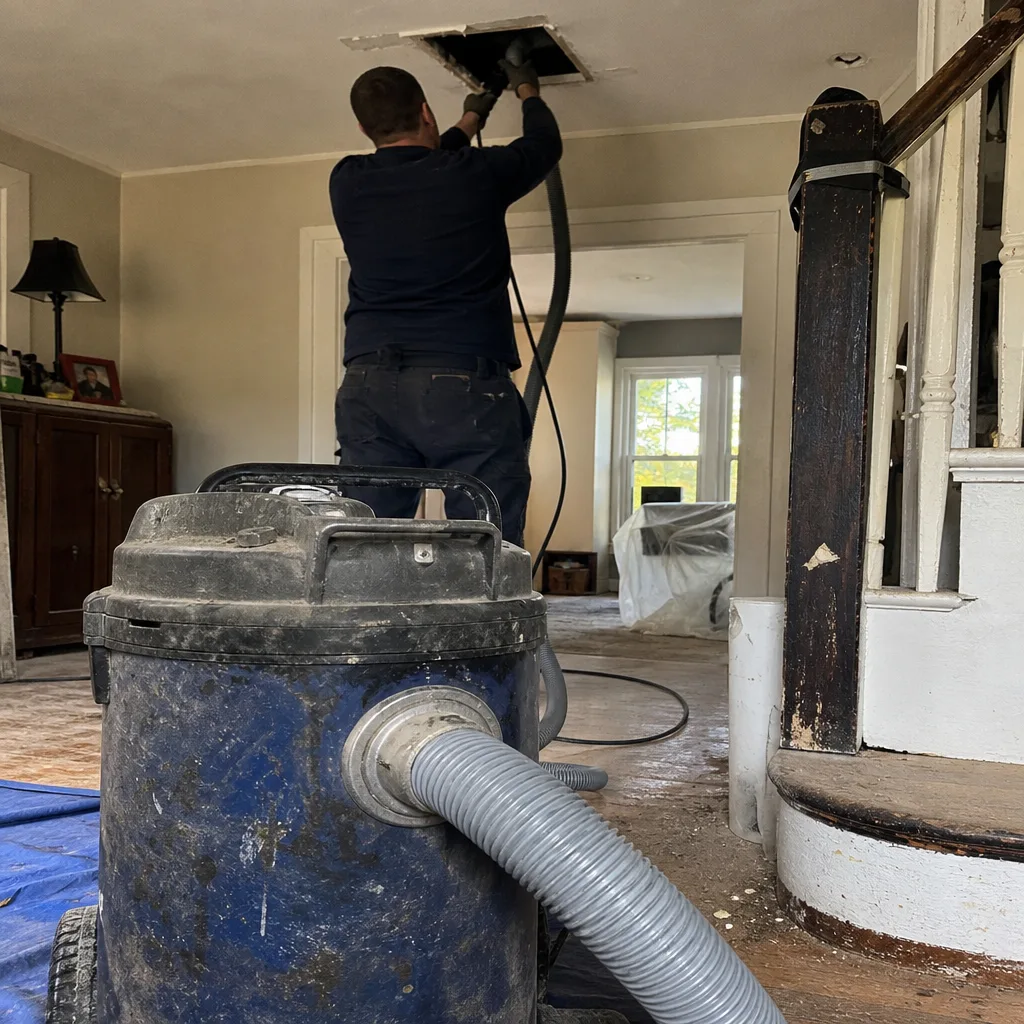 Before
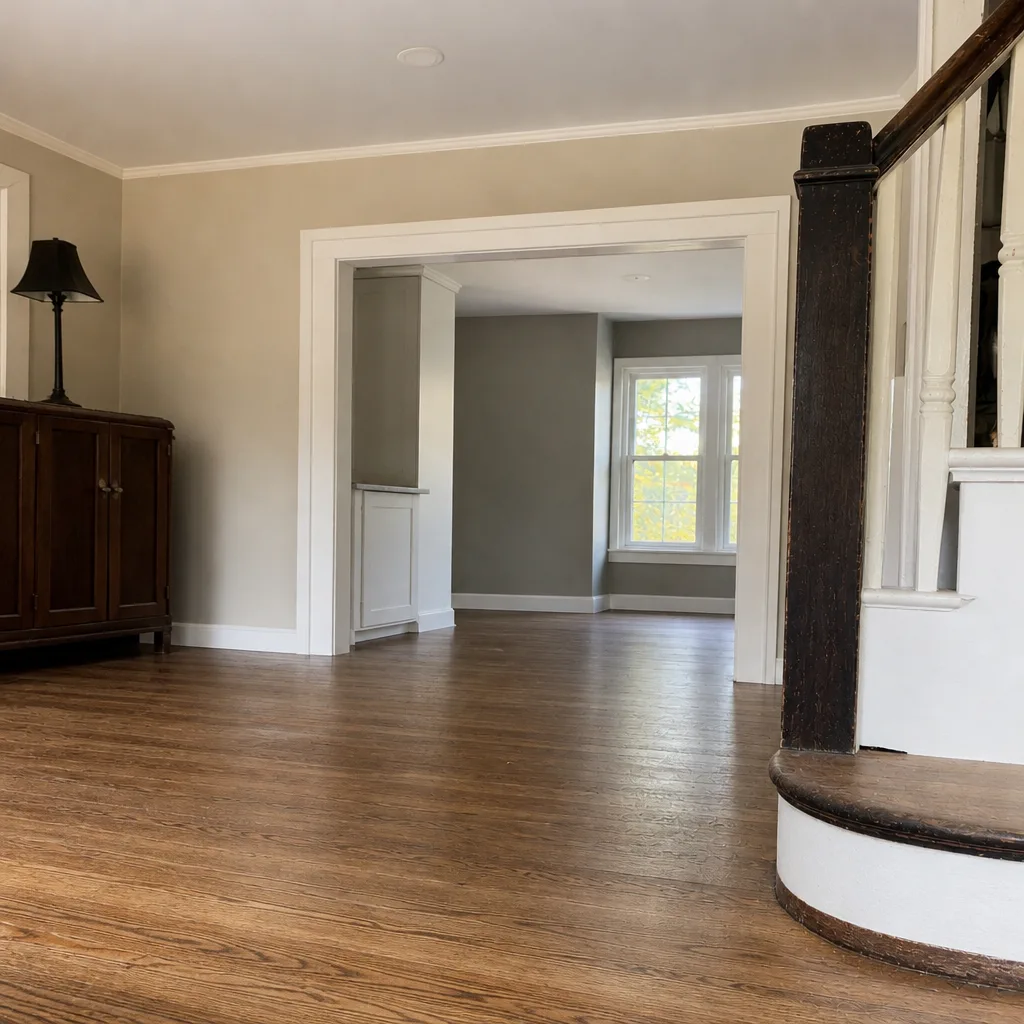 After
When to Call a Professional
If your ducts haven’t been cleaned in years, if you’re seeing uneven airflow room to room, if a musty smell shows up when the heat or AC kicks on, or if you’re preparing an Oxford Circle rowhouse for sale, that’s the moment to call. We work with professional-grade equipment from Rotobrush, Nikro, and Abatement Technologies, which means the diagnostic capabilities on a cleaning visit are a step above what a consumer-grade shop-vac setup can achieve. We can tell the difference between a duct system that’s simply dirty and one that’s been altered, and we can document both with before-and-after photos. Air Duct Cleaning Oxford Circle offers free estimates in Oxford Circle, and we’re happy to look at your system and tell you honestly whether the work in front of you is maintenance or alteration. Call (833) 498-1334.
Frequently Asked Questions
No. Air duct cleaning is maintenance work and does not require a permit in Oxford Circle or anywhere else in Philadelphia. What can require a permit is repairing or altering the ductwork itself, particularly when the change affects the system’s layout, sizing, or capacity. If you’re not sure which side of the line a specific job falls on, call (833) 498-1334 for a free estimate. We answer 24/7. Fast dispatch from 7am to 7pm, Sunday through Friday.
Sealing accessible joints, seams, and register boots with mastic or code-appropriate tape is maintenance and does not require a permit. Sealing that requires opening a wall or ceiling to reach the leak crosses into a different category of work with its own permit requirements. In our experience, most Oxford Circle duct sealing stays on the maintenance side, but the scope needs to be clear before anyone starts work.
Philadelphia enforces the Pennsylvania Uniform Construction Code through its Department of Licenses and Inspections. Original pre-code ductwork is grandfathered in its existing condition, but any alteration is subject to current code, and that includes duct rerouting, resizing, and new runs. If you’re buying a pre-code Oxford Circle rowhouse, it’s worth asking whether the duct system has been altered and, if so, whether a permit was pulled for the work.
Request a written scope of the work performed, before-and-after photographs of every sealed or repaired joint, and a certificate of completion with the address, date, and work description. If a permit was required, also request the permit number and the L&I inspection sign-off. Keep all of this with your property records, because it’s the documentation that protects you at resale.
Yes. Unpermitted HVAC alterations can surface during a buyer’s title search and delay closing while the parties sort out who’s responsible. This is one of the reasons L&I treats unpermitted HVAC work as a priority issue. If you know of an unpermitted alteration, the cleanest path is to discuss it with L&I before listing the home rather than discovering it during escrow.
Not on its own. Cleaning does not trigger any inspection or permit. What can lead to an L&I conversation is when a technician identifies clear evidence of a prior unpermitted alteration during a cleaning visit. In that situation, we explain what we found and recommend that the homeowner contact L&I to confirm the permit history for the address. The cleaning still gets done; the permit question is a separate matter that belongs with the homeowner and the city.
The Bottom Line
Air duct cleaning is maintenance and requires no permit in Oxford Circle. Duct repair stays permit-free as long as it’s restoring the system rather than altering it. When a job crosses into new runs, rerouting, resizing, or HVAC modification, get a permit and get an inspection, because Philadelphia’s Uniform Construction Code adoption means alterations have to comply with current code even on pre-code rowhouses. Keep your documentation in order, especially the certificate of completion after any repair work, and get ahead of the permit question before a home sale rather than during it. If you’re not sure which category your duct work falls into, call (833) 498-1334 for a free estimate. We answer 24/7. Fast dispatch from 7am to 7pm, Sunday through Friday.
If your system needs professional-grade attention, whether that’s a full cleaning, a whole-system air duct service in Oxford Circle, or a diagnostic visit to sort out an airflow problem, our technicians have up to 10 years of experience and use Rotobrush, Nikro, and Abatement Technologies equipment to handle the work at the standard the system deserves. We can also work with Honeywell and Aprilaire filtration upgrades when it makes sense to address air quality alongside the cleaning, and we’ll always document what we find so the work is verifiable.
Written by the team at Air Duct Cleaning Oxford Circle.