
Last updated November 22, 2026
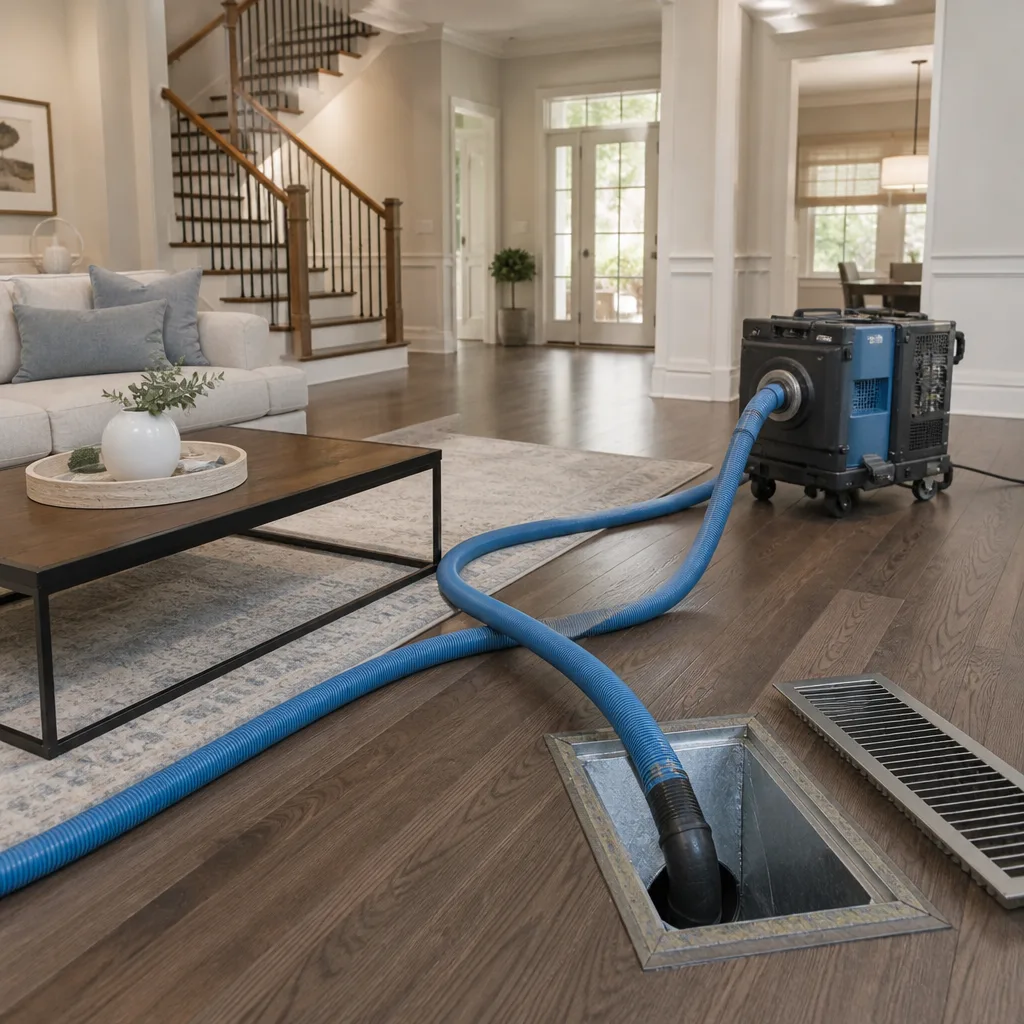 Whole-home duct cleaning
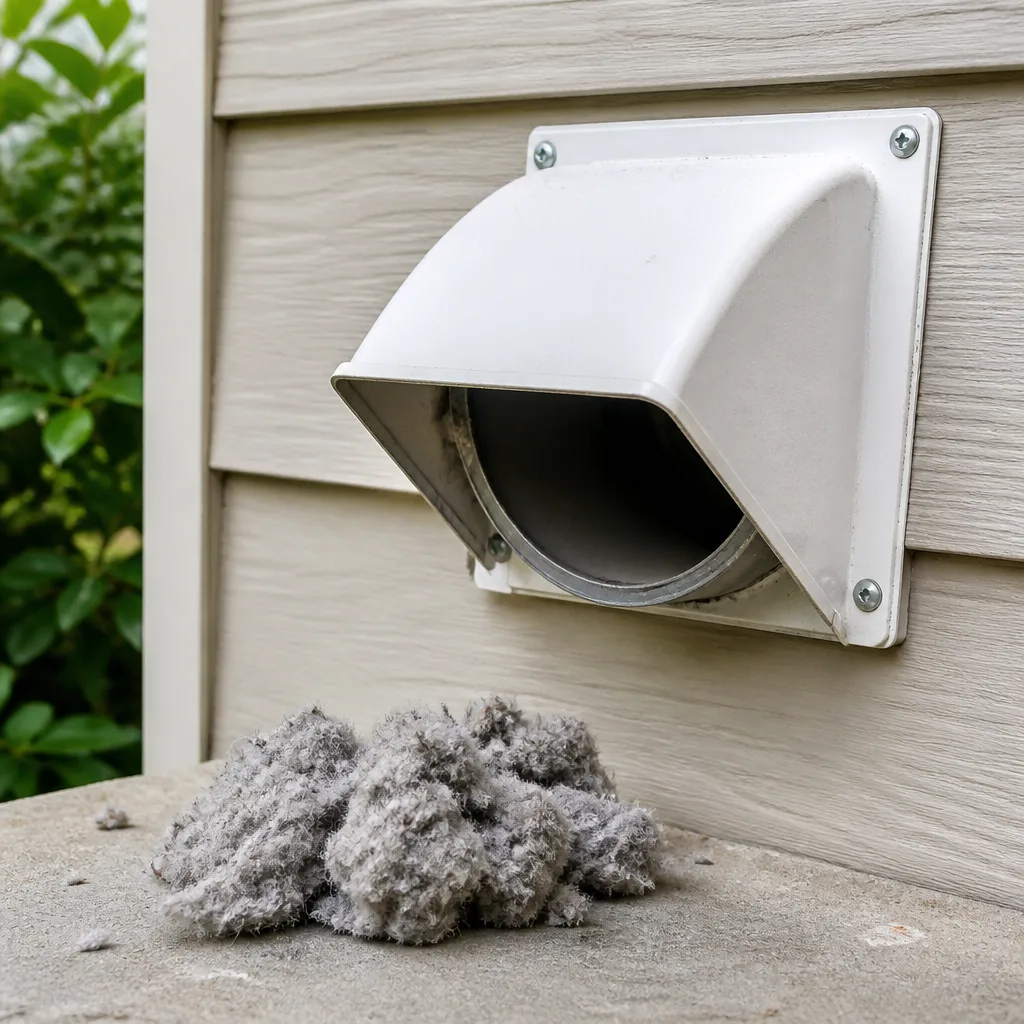 Dryer vent cleaning
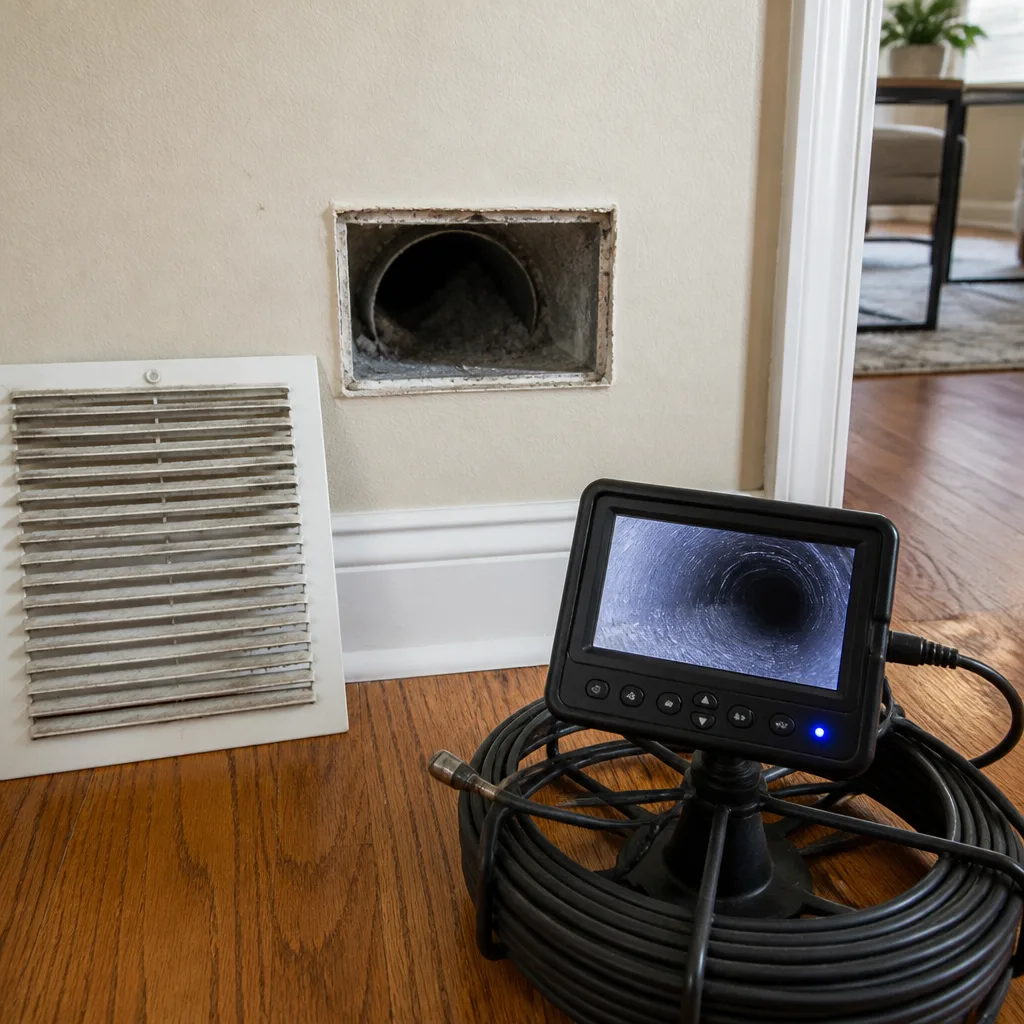 Camera inspection
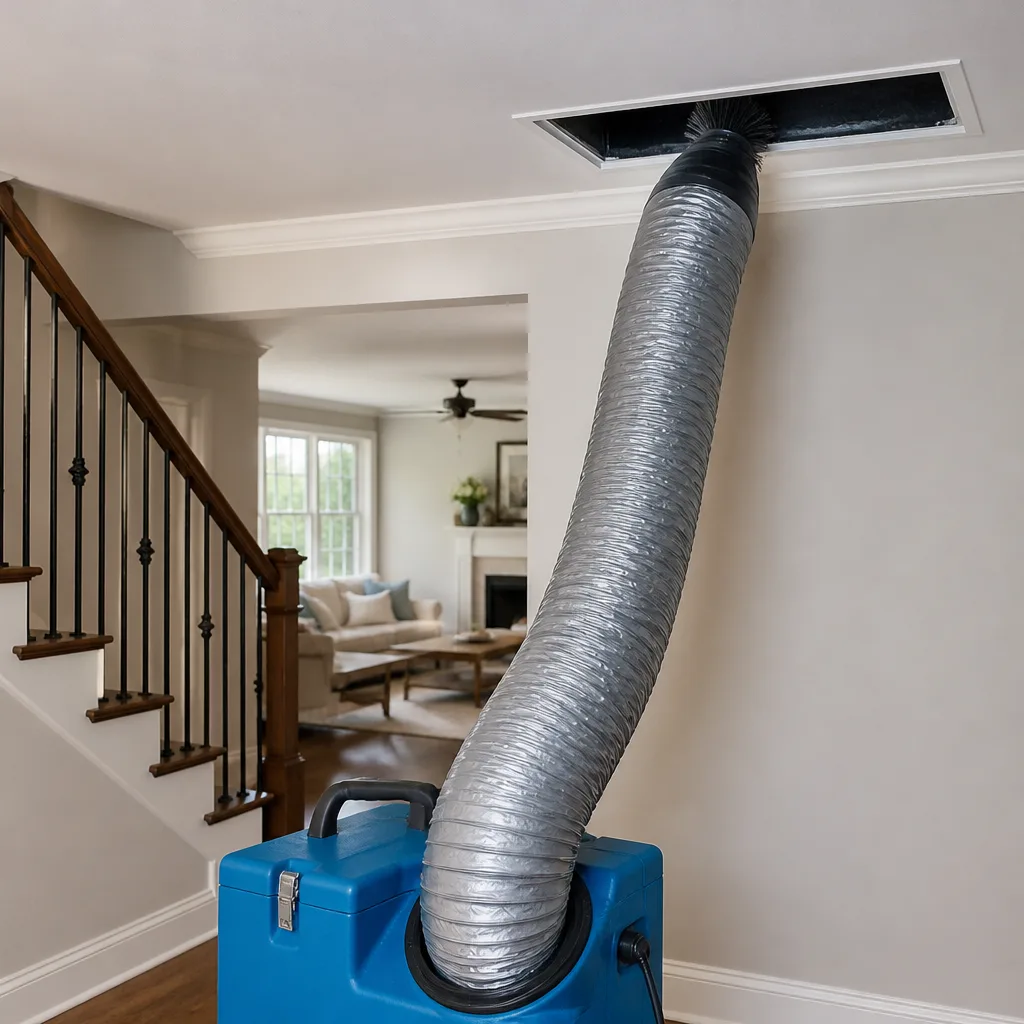 Sanitizing & deodorizing
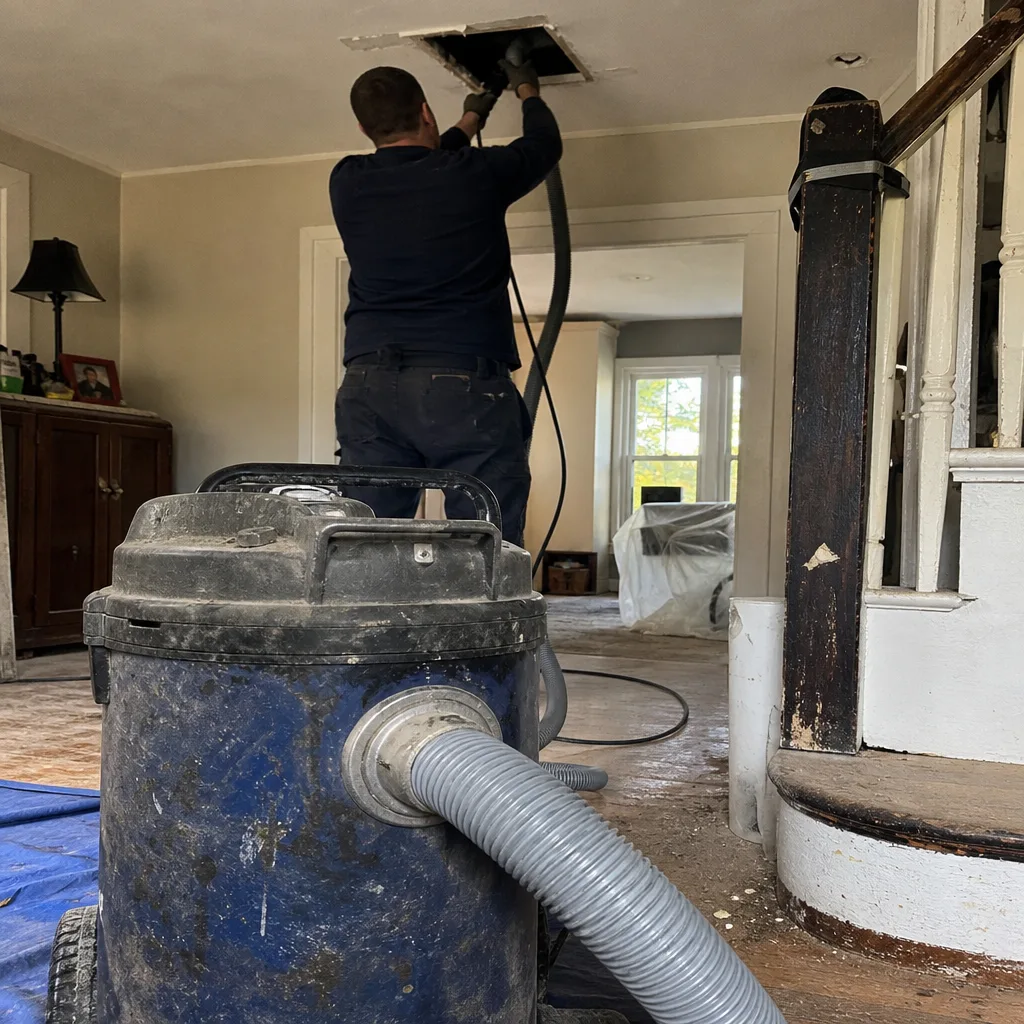
Whole-system duct and dryer vent check with before-and-after photos - you see exactly what came out of your vents
That "$99 whole-house special" is a bait ad - the real number appears once they are in your hallway, or the "clean" is a shop-vac at the register. We photograph the inside of your ducts before and after instead.
Seasonal Air Duct Cleaning Care for Oxford Circle: Year-Round Homeowner’s Guide
Most homeowners in Oxford Circle treat duct cleaning as an annual chore, something to schedule once and forget. That approach misses what’s actually happening inside the system. Ductwork doesn’t collect debris at a steady rate – it loads and unloads with the seasons, and each of Oxford Circle’s four distinct seasons puts a different kind of stress on the same ducts. Winter pushes combustion byproducts into return air. Spring floods the system with pollen. Summer breeds moisture in basement runs. Fall delivers the first real test when the heat comes back on. This guide walks through each season, what to watch for, what you can check yourself, and when the situation has moved past a homeowner’s tools.
Quick Answer
Air ducts in Oxford Circle need attention in every season, not once a year. Spring calls for clearing winter combustion residue and pollen from return ducts before cooling season; summer requires monitoring basement returns for moisture and condensation; fall is the single most important time to inspect the system before the first heating cycle; and winter demands tracking what older gas and oil furnaces deposit inside the ductwork. The one task that pays off year-round is cleaning the supply register grilles and return covers – a five-minute job that disproportionately improves indoor air quality.
Styles & brands we work with
- Whole-home duct cleaning
- Dryer vent cleaning
- Camera inspection
- Sanitizing & deodorizing
Table of Contents
- Spring: Clearing Winter’s Residue Before Cooling Season
- Summer: Moisture, Humidity, and Basement Returns
- Fall: The Most Important Inspection Window of the Year
- Winter: What Older Heating Systems Deposit in Your Ducts
- The Five-Minute Task That Pays Off All Year
- Why Oxford Circle Rowhouses Behave Differently
- When a Seasonal Check Needs Professional Equipment
- Common Mistakes to Avoid
Spring: Clearing Winter’s Residue Before Cooling Season
Spring in Oxford Circle is when the system shifts from heating to cooling, and that transition exposes what winter left behind. Return ducts have spent months pulling air across combustion sources – gas furnaces, oil boilers, water heaters – and the fine particulate that doesn’t get trapped by a filter settles in the return plenum and the first few feet of the return trunk. Add February and March pollen, which arrives in this part of Pennsylvania before most people think about allergies, and the return side of the system is carrying a load it wasn’t designed to store.
What makes spring different from a general cleaning is timing. Once the air conditioner starts running, that accumulated material gets pulled across a wet evaporator coil. Dust that was sitting quietly in a return duct becomes a damp film on the coil, and a damp film on the coil is where biological growth starts. Clearing the return side before the first cooling call is the difference between a coil that runs clean all summer and one that needs a coil cleaning by July.
Here’s what a spring walkthrough looks like for a typical Oxford Circle home:
- Pull the return air grille and look at the filter slot. A filter that’s gray and matted after a winter of heating has been overdue for weeks, not days.
- Shine a light into the return drop. Visible dust buildup on the duct walls near the furnace is the first sign the return side needs professional cleaning.
- Check the supply registers for a fine gray dust film – that’s material that made it past the filter and settled at the discharge.
- Look at the condensate drain pan and line before the first cooling cycle. A pan with standing water or rust is a summer problem waiting to start.
- If you have a basement return, note whether the duct runs cold and uninsulated. That matters more in summer, but it’s easier to fix now.
Spring is also the right window for air duct cleaning if the system hasn’t been serviced in more than a couple of years. Doing it before cooling season means the air conditioner starts its hardest months with a clean air pathway, not a loaded one.
Summer: Moisture, Humidity, and Basement Returns
Summer humidity is the season’s real duct story in Oxford Circle, and it’s the one most homeowners miss. Philadelphia’s summer air routinely pushes indoor relative humidity into the high range, and the ductwork in a rowhouse basement sits right in the middle of it. Unconditioned basement returns – ducts that carry return air through a cool, damp basement without insulation – are the highest-risk section of any residential system in this climate.
The mechanism is simple. Warm, humid air meets a cool duct surface. Condensation forms. That moisture sits on galvanized steel, on duct board, on the seams and joints where dust has already collected. Once the interior of a duct stays damp for an extended stretch, mold colonization moves from possible to probable. You don’t need a flood or a leak to get there – just a humid summer and an uninsulated return.
What to monitor through the cooling months:
- Condensation on supply registers. A little sweat on a metal register on a humid day is normal. Water dripping down the wall below a register is not – it usually means the supply run is uninsulated in a humid space, or the system is running a coil temperature too low for the airflow it’s getting.
- Musty smell at the return. If the air coming back to the furnace smells earthy, the moisture problem is upstream of the equipment, not in it.
- Standing water in the basement near duct runs. Even a slow seep that keeps the floor damp raises the humidity in the whole basement and pushes moisture into every unsealed duct joint.
- Duct seams that show rust or white mineral streaks. Both point to repeated wet-dry cycling.
- Dropping airflow at the farthest registers. Wet duct board or a collapsed flex run will sag and choke airflow on the longest runs first.
If you find moisture in a basement return, don’t run a fan through it to dry it out and call it done. Wet dust inside a duct is a biological problem, and it needs to be removed, not just dried. That’s the point where professional equipment earns its keep – Abatement Technologies negative-air and HEPA equipment contains the particulate during removal rather than blowing it into the basement.
Fall: The Most Important Inspection Window of the Year
The single best time to have your ducts inspected in Oxford Circle is early fall, right before the first heating cycle – not spring, which is what most homeowners assume. The reasoning is practical. A duct system that sat dormant or ran only lightly through the cooling months has had all summer to accumulate dust, harbor moisture, and develop the small gaps that appear when duct tape and mastic age. The first heating cycle is when that accumulated material gets pushed into the living space all at once.
There’s a second reason fall matters more than spring. Heat dries out a duct system. Any moisture that built up over summer – condensation on basement returns, a slow condensate drip, a humid crawlspace – leaves behind dust that has caked onto the duct walls. Caked dust doesn’t move with normal airflow, but it does release fine particulate every time the system cycles through a cold-to-hot transition. The first few weeks of heating season are when that release is heaviest.
A fall inspection should cover:
- The heat exchanger and flue connection, checked by an HVAC technician – not a duct cleaner. This is a safety inspection, and it belongs with the equipment.
- Duct seams and joints throughout the accessible runs. Small gaps at takeoffs and trunk connections are normal in older homes and are worth sealing.
- The return plenum and the first section of return trunk, which is where fall dust loading is heaviest.
- Supply registers throughout the house for dust patterns that suggest a specific run is underperforming.
- Any duct run that passes through an unconditioned space – attic, crawlspace, or unheated basement – for insulation damage or disconnected sections.
Fall is also the season when HVAC cleaning makes the most sense as a single appointment. Cleaning the ducts without addressing the equipment – blower wheel, evaporator coil, drain pan – leaves the biggest dust reservoir in the system untouched. Your HVAC system is only as clean as its weakest point.
Winter: What Older Heating Systems Deposit in Your Ducts
Oxford Circle has a lot of older housing stock, and a lot of it still runs gas or oil heating equipment that’s been serviced but not replaced. Peak heating operation in winter means the furnace or boiler is running more hours per day than at any other time of year, and that changes what ends up in the ducts.
Gas furnaces in good repair deposit very little inside the ductwork – the combustion products go up the flue, not into the supply air. What they do deposit is fine dust from the burners and the heat exchanger surface, plus the particulate that gets past a filter that’s loading faster than it does in summer. Oil furnaces deposit more: a small amount of soot and oil residue can migrate past a cracked heat exchanger gasket or a poorly sealed flue connection. Neither is something to ignore, and neither is something you can see from the living room.
What you can track yourself through the winter:
- Filter loading rate. Note the date you change the filter and the date it looks gray. If that interval is shrinking year over year, something upstream is shedding more particulate than it used to.
- Soot at the supply registers. A faint dark film on the register face near the furnace is a sign of combustion byproducts in the airstream. That’s a call-a-professional situation, not a cleaning situation.
- Static or dust settling on horizontal surfaces near returns. A visible increase in settled dust on furniture near a return grille points to a return-side leak pulling from an unconditioned space.
- Smell at the registers when the heat first comes on. A dusty smell for the first few minutes of a heating cycle is normal. A smell that persists for the whole cycle is not.
- Humidity readings inside the house. Winter air is dry, and a house that stays unusually humid in winter has a moisture source that needs finding.
Anything that involves a heat exchanger, a flue, or combustion byproducts is a stop-and-call situation. Those are not DIY checks. A trained technician needs to confirm the equipment is venting properly before anyone cleans the ducts around it.
The Five-Minute Task That Pays Off All Year
If we could get every homeowner in Oxford Circle to do one duct-related task consistently, it would be this: clean the supply register grilles and return air covers every month or two. It takes five minutes with a vacuum brush attachment and a damp cloth, and it removes the layer of dust that otherwise gets pulled back into the airstream every time the system cycles.
The reason it matters more than it sounds is airflow geometry. A register grille is the narrowest point in the entire supply run. A film of dust across the louvers changes the discharge pattern, and a matted return grille restricts the return side more than most people realize. Clean grilles mean the system moves the air it was designed to move, which means the equipment runs less, which means the ducts stay drier.
- Turn the system off at the thermostat.
- Remove the return air grille – usually two screws or a friction latch.
- Vacuum both faces of the grille with a brush attachment. Vacuum the filter slot while you’re there.
- Wipe the frame with a damp cloth. Dry it completely before reinstalling.
- Repeat at every supply register in the house. Bathroom and kitchen exhaust covers too, if they have a removable grille.
That’s it. No special tools. No professional visit. And in our experience, homeowners who keep their grilles clean are the ones whose systems stay cleaner between full cleanings, because the dust never gets the chance to load the ducts in the first place.
Why Oxford Circle Rowhouses Behave Differently
Rowhouse construction changes how ductwork behaves in ways that don’t show up in a suburban house. Shared walls, tight lot lines, and basement mechanical rooms pushed against a party wall all affect airflow, moisture, and how dust accumulates. In Oxford Circle specifically, a lot of the housing stock has duct runs that were retrofit into spaces that weren’t originally designed for central air – which means tighter transitions, more elbows, and shorter runs than the equipment was sized for.
Three practical consequences for seasonal care:
- Basement humidity runs higher. Party walls hold moisture, and a basement mechanical room in a rowhouse tends to stay damper than a standalone house basement. That makes summer moisture monitoring more important, not less.
- Return air often comes from fewer, larger grilles. A single central return serving a whole rowhouse floor means that one grille is doing the work of several. Cleaning it matters proportionally more.
- Duct runs are shorter and turn harder. Short runs with tight elbows collect dust at the elbows faster than long, straight runs. Fall inspection should pay particular attention to the elbow fittings on each supply trunk.
None of that is a reason to worry. It’s a reason to check seasonal conditions a little more carefully than a homeowner in a newer house might need to.
When a Seasonal Check Needs Professional Equipment
Plenty of seasonal duct care is a homeowner job – grille cleaning, filter changes, a visual inspection at the return. Some of it is not. The line is fairly clear, and it’s worth knowing where it sits before you start pulling panels.
Call a professional when:
- You can see visible dust buildup on the interior duct walls more than a few feet past any accessible opening.
- There’s a musty smell that doesn’t resolve after cleaning grilles and changing filters.
- You’ve found moisture, rust, or white mineral streaks inside a duct run.
- Any combustion smell, soot film, or heat exchanger concern is present. That’s an HVAC safety call, and it comes first.
- The system has visible dust blowout at registers after the first heating or cooling cycle of a season.
- You’re a property manager responsible for a rental unit and the tenant reports airflow or odor problems that haven’t resolved.
Professional duct cleaning in Oxford Circle for a typical home involves more than a vacuum. Rotobrush and Nikro systems are the equipment tier used in commercial and remediation work, not the consumer machines you can rent. Abatement Technologies negative-air and HEPA equipment contains the particulate during removal so it doesn’t end up in the living space. And the honest conversation about duct repair and sealing, air quality treatment, and filtration upgrades happens at the same appointment, because one contractor covering the whole air pathway means nobody points at the other guy when something’s still wrong. Honeywell and Aprilaire filtration upgrades, for example, can go in at the same visit as a cleaning – not as a separate project later.
Our technicians have up to 10 years of experience, and the local pro we connect you with is licensed and insured as their state requires. If a seasonal check turns into a real problem, the estimate is free and the price is set per job in writing before any work starts.
Common Mistakes to Avoid
- Treating duct care as an annual event. The four seasons stress a duct system four different ways. A single annual cleaning in spring misses the fall inspection window, which is the most important one of the year.
- Cleaning ducts without checking the equipment. A clean duct system attached to a dirty blower wheel and a filmed evaporator coil is still a dirty air pathway. HVAC cleaning belongs in the same conversation as duct cleaning, not a separate call.
- Ignoring basement returns in summer. An uninsulated return running through a humid Oxford Circle basement is the single highest-risk section of most residential systems in this climate. It’s invisible from the living space and it’s the first place moisture problems start.
- Skipping the first heating cycle inspection in fall. The first few weeks of heating season are when accumulated summer dust gets pushed into the house all at once. Inspecting beforehand is easier than cleaning up after.
- Trusting a low teaser price. A duct cleaning quote that starts low and grows on-site is a bait-and-switch pattern, not a bargain. Ask for a per-system price in writing before anyone opens a panel.
- Assuming grille cleaning doesn’t matter. It’s the cheapest, most effective thing a homeowner can do, and it’s the task most people never bother with.
- Running a fan through a wet duct to dry it. Wet dust inside a duct is a biological problem. Drying it without removal just distributes the problem through the rest of the house.
See the difference
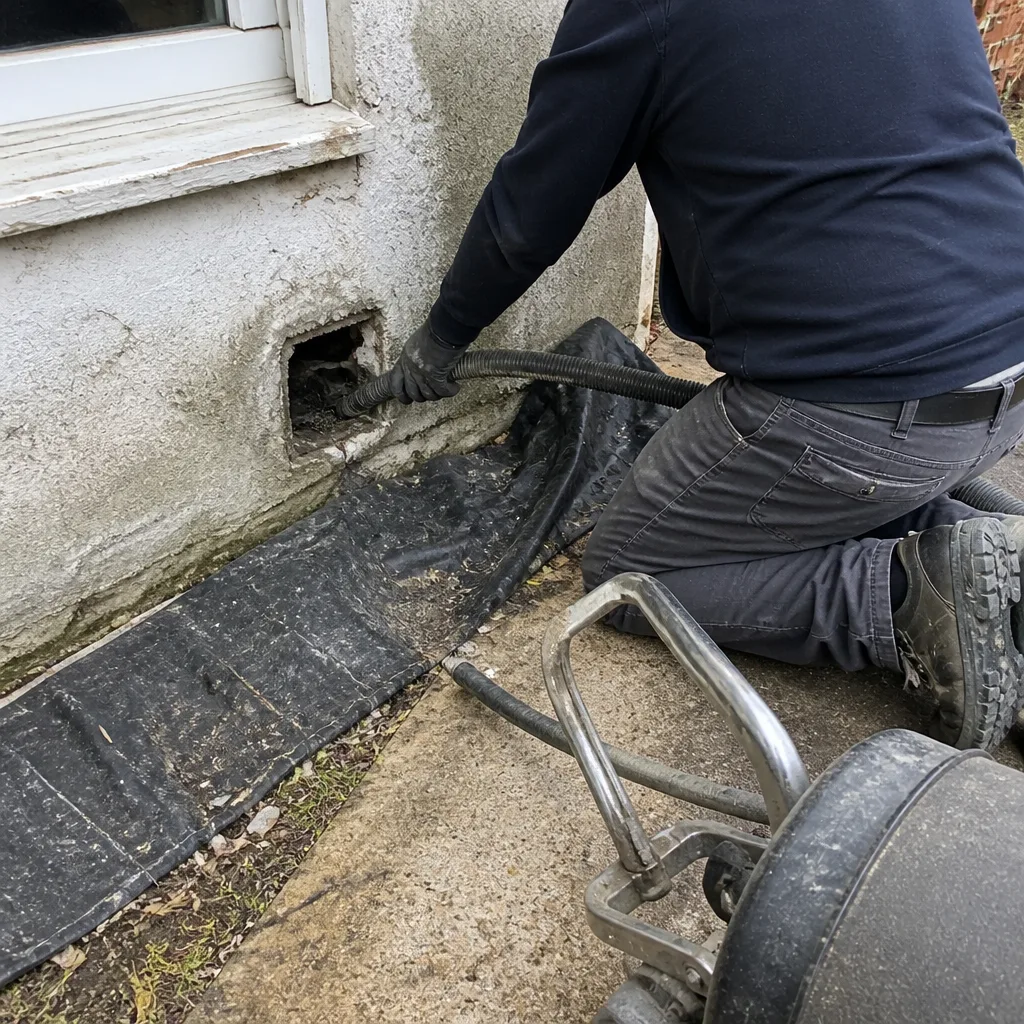 Before
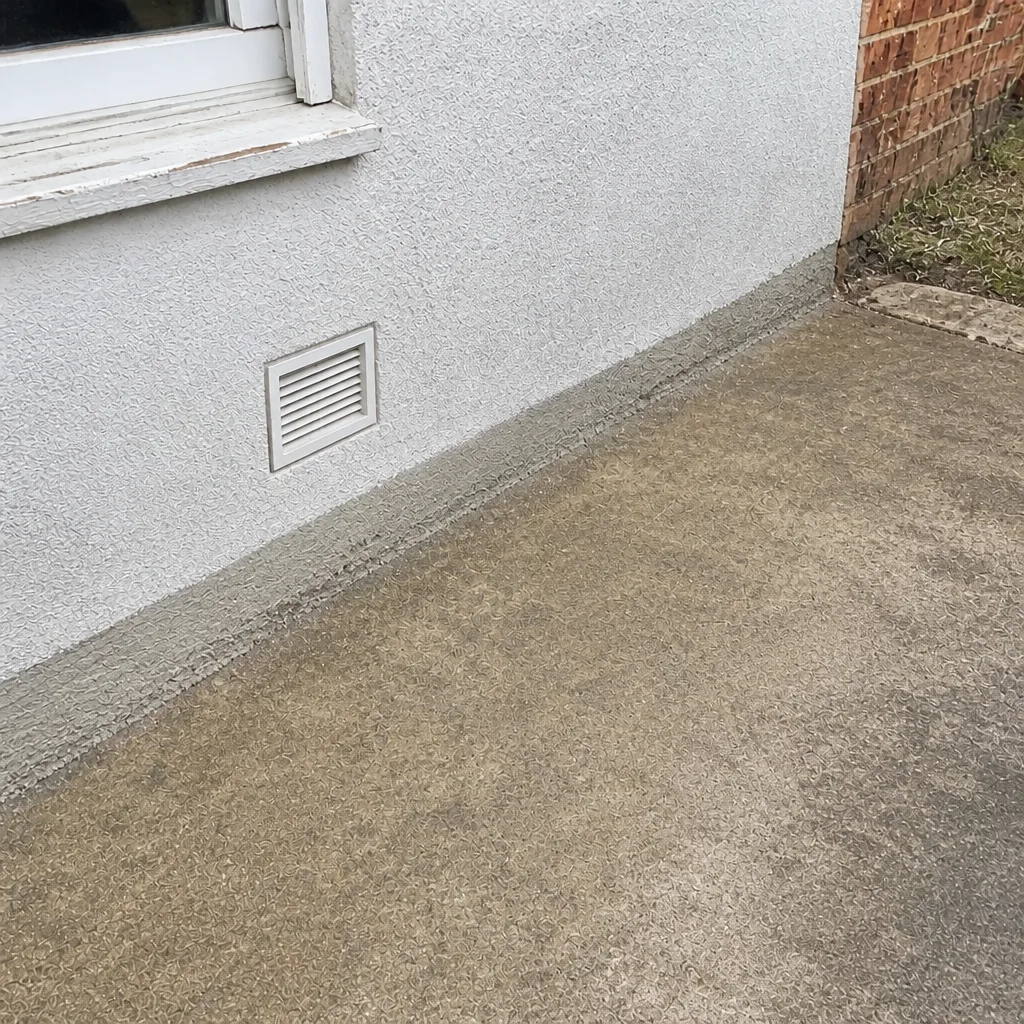 After
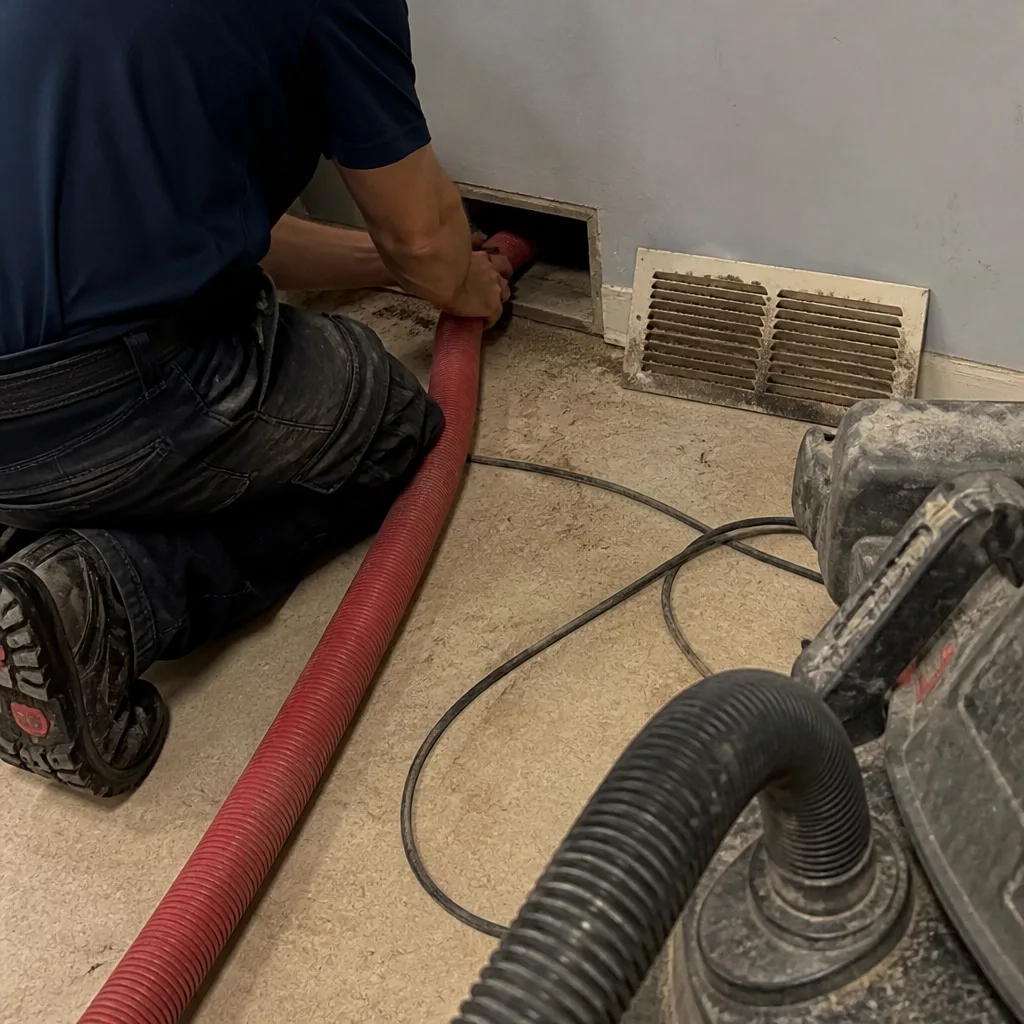 Before
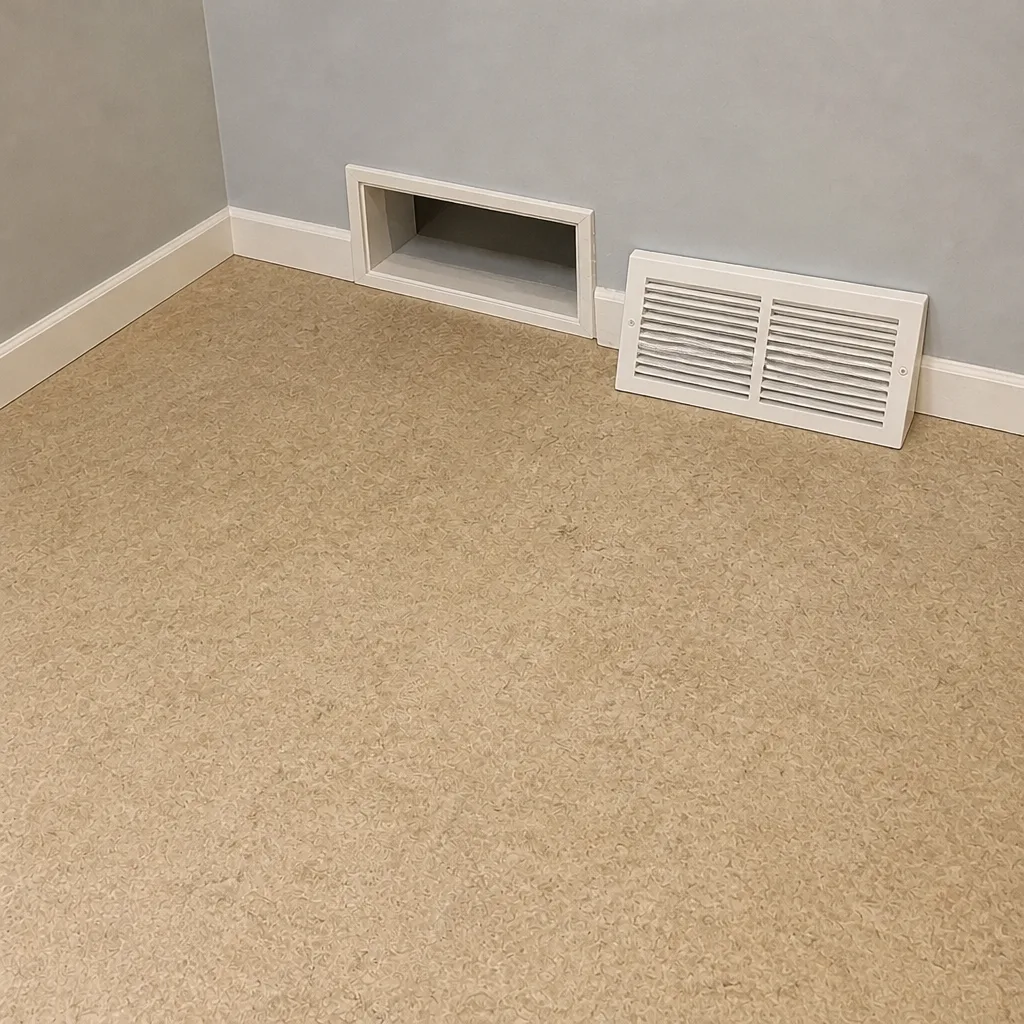 After
 Before
 After
When to Call a Professional
The clearest signal is a change you can smell or see. A musty odor that persists after grille cleaning and filter changes, visible dust buildup on duct walls more than a few feet inside any accessible opening, rust or water streaks at duct seams, or a soot film at supply registers – any of those moves the job past homeowner tools. Airflow that drops noticeably at the far registers after the first heating or cooling cycle of a season is another sign. So is a property manager fielding tenant complaints about odor or air quality that haven’t resolved after basic maintenance. Any combustion smell or heat exchanger concern is a safety call that comes before any duct work. Air Duct Cleaning Oxford Circle offers free estimates in Oxford Circle – call (833) 498-1334. We answer 24/7. Fast dispatch from 7am to 7pm, Sunday through Friday.
Frequently Asked Questions
Every two to three years for most homes, but with a seasonal check in between – grille cleaning monthly, filter changes on schedule, and a visual look at the return side in spring and fall. Homes with pets, recent renovation dust, or occupants with allergy symptoms usually need professional cleaning closer to every two years. Call (833) 498-1334 for an exact quote based on your system – estimates are free.
Because the first heating cycle after a dormant summer is when accumulated dust gets pushed into the living space all at once. Inspecting in fall, before that cycle, catches the problem before it distributes. Spring cleaning still matters for the cooling season, but fall is where an inspection earns its keep. Call (833) 498-1334 to schedule a fall inspection.
It usually means one of two things: the supply run is uninsulated through a humid space, or the coil temperature is running too low for the airflow the system is getting. A little sweat on a metal grille on a humid day is normal. Water dripping down the wall below it points to a real problem worth diagnosing. Call (833) 498-1334 for a free estimate.
A faint dark film on supply register faces near the furnace is the first sign, and a smell at the registers that persists through a whole heating cycle rather than fading after a few minutes is the second. Both warrant a call – soot in the airstream is a combustion concern, and it needs a technician to check the heat exchanger and flue before any cleaning. Call (833) 498-1334.
You can clean the grilles and the accessible filter slot, and you should. You can’t clean the duct interior with a shop vac – consumer machines don’t have the airflow or containment to pull dust out of a duct run, and pushing a hose in without negative-air containment just moves the dust into the room. Professional equipment exists because the job needs it. Call (833) 498-1334 for a free estimate.
It depends on the size and condition of the system, the number of supply and return runs, and whether repair or sealing is needed alongside the cleaning. We price per system in writing before work starts, so there’s no per-vent surprise on the invoice. Call (833) 498-1334 for an exact quote – estimates are free.
The Bottom Line
Duct care in Oxford Circle isn’t one annual event – it’s four seasonal windows, each with a different job. Spring clears winter residue and pollen before cooling season loads it onto a wet coil. Summer is about moisture monitoring, especially in basement returns. Fall is the inspection window that matters most, before the first heating cycle pushes summer’s accumulation into the house. Winter is about tracking what older heating equipment deposits, and knowing which smells and films are a stop-and-call situation. And underneath all four seasons sits the five-minute task that pays off year-round: clean grilles, clean returns. Do the seasonal checks, know when the situation has moved past homeowner tools, and get the system looked at before a small seasonal issue becomes a coil cleaning or a duct repair. We clean it, repair it, and seal it – and we set the price in writing before we start.
Call (833) 498-1334. We answer 24/7. Fast dispatch from 7am to 7pm, Sunday through Friday. Estimates are free.
Written by the team at Air Duct Cleaning Oxford Circle.