
Last updated November 22, 2026
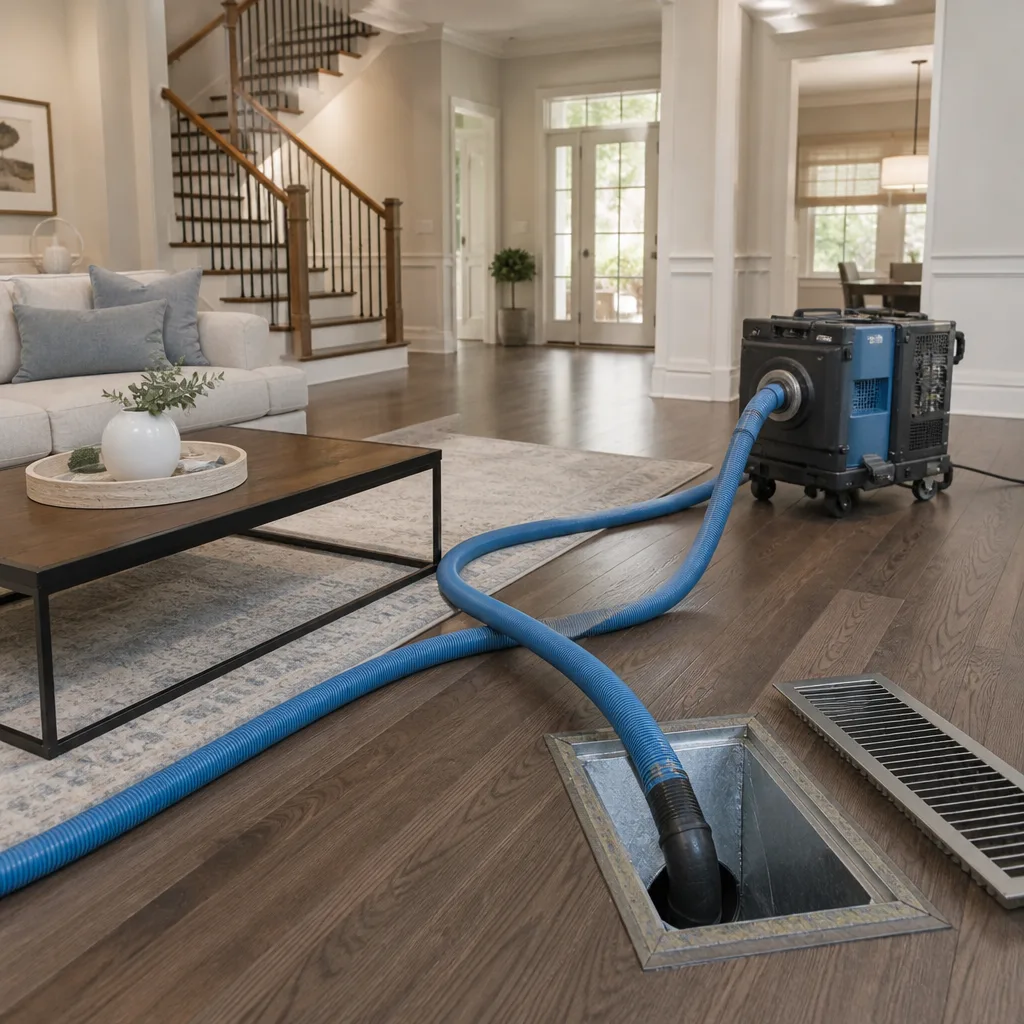 Whole-home duct cleaning
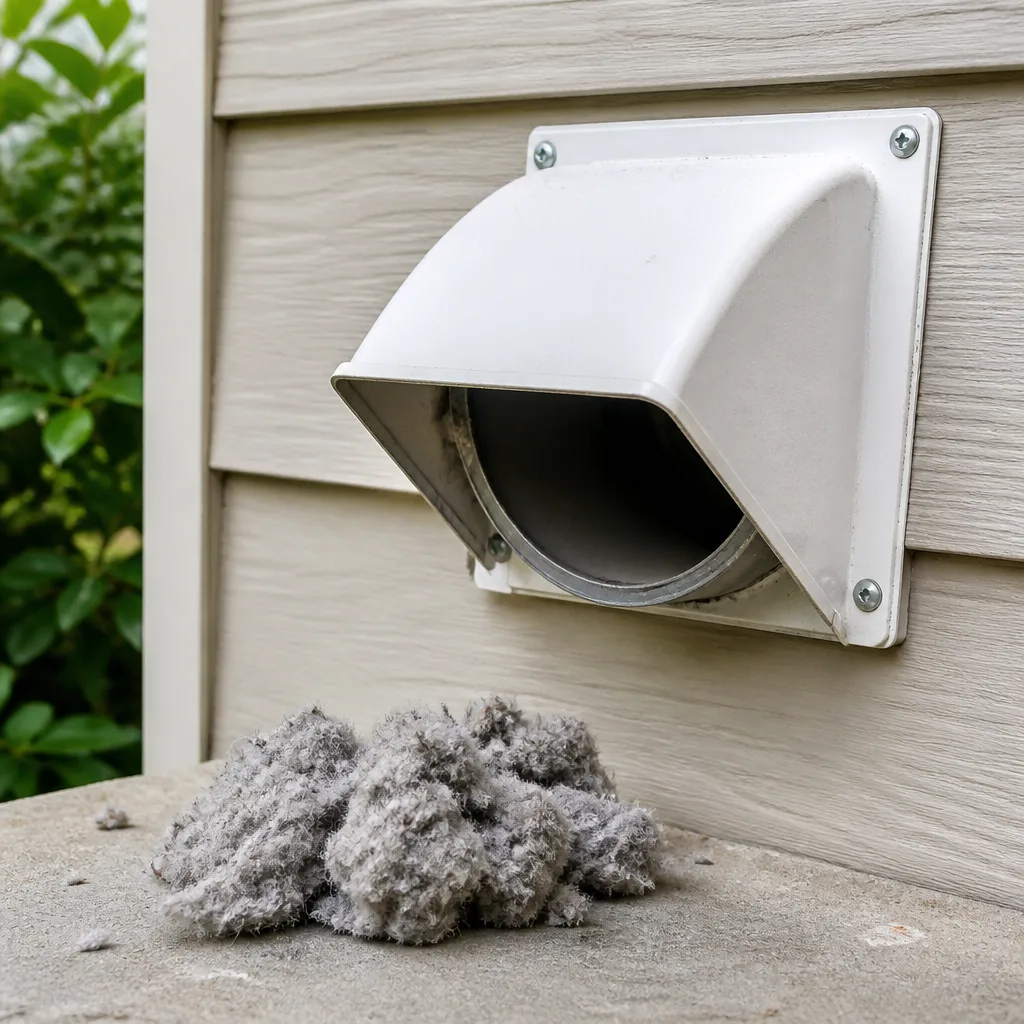 Dryer vent cleaning
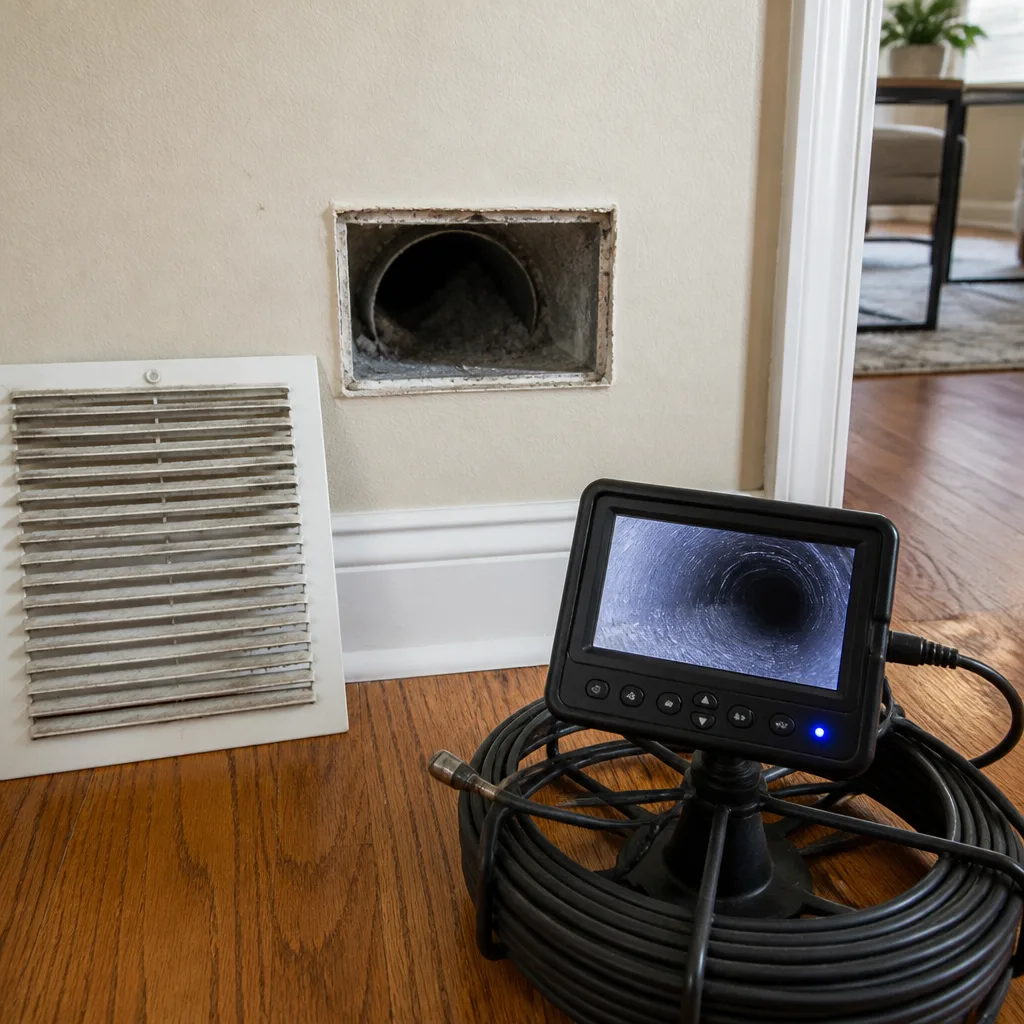 Camera inspection
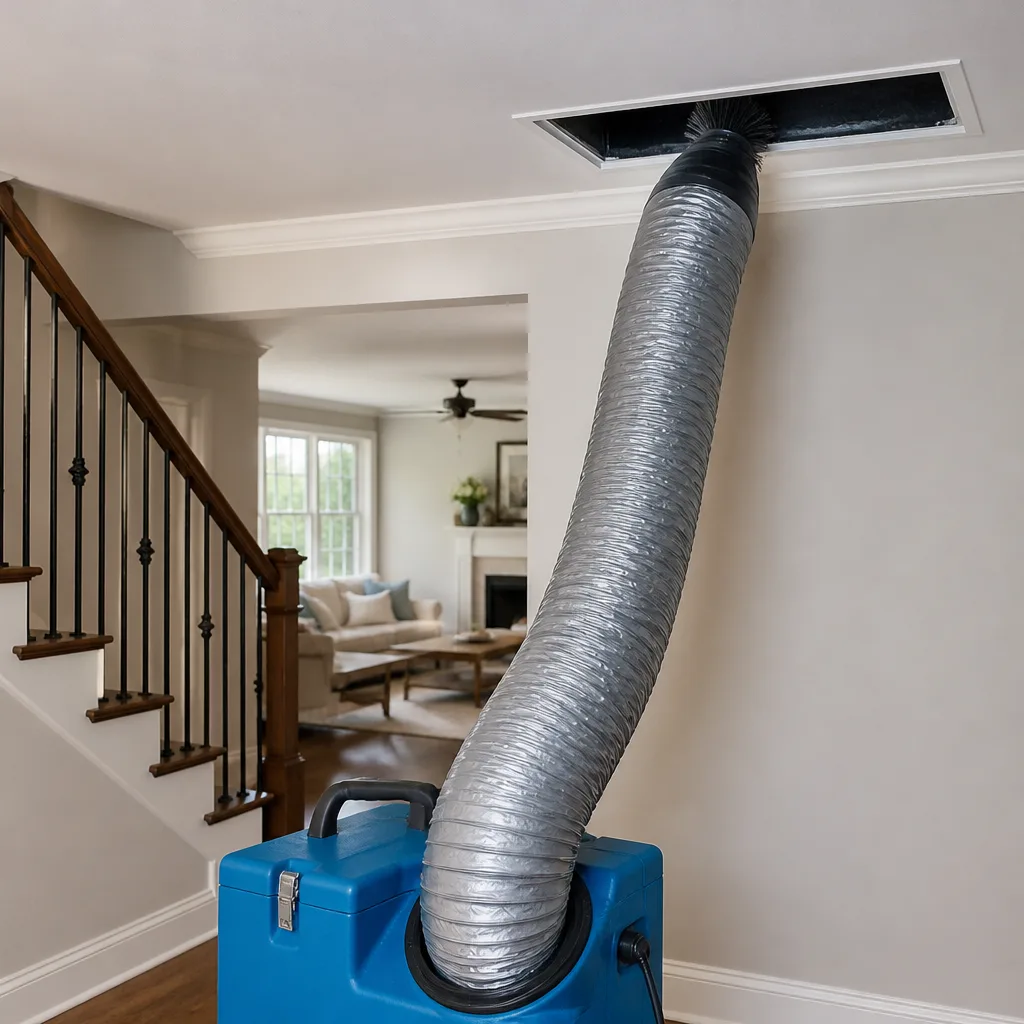 Sanitizing & deodorizing
Whole-system duct and dryer vent check with before-and-after photos - you see exactly what came out of your vents
That "$99 whole-house special" is a bait ad - the real number appears once they are in your hallway, or the "clean" is a shop-vac at the register. We photograph the inside of your ducts before and after instead.
The Complete Guide to Air Duct Cleaning in Oxford Circle
Most homeowners in Oxford Circle clean their ducts on a timer. Every three to five years, the calendar says it’s due, so they book a cleaning. That schedule was borrowed from newer suburban homes, and it doesn’t fit a neighborhood built on pre-1960 rowhouses. The ducts in these homes were sized for heating systems far quieter and smaller than the forced-air equipment running through them now. Shared walls, basement returns, and decades of slow settling change how contamination builds and where it collects.
This guide replaces the timer with a diagnostic framework. You’ll learn how Oxford Circle’s rowhouse construction affects duct condition, how to tell genuine source removal from a vacuum pass, and what a real inspection should document before any equipment touches your system.
Quick Answer
Air duct cleaning in Oxford Circle should be decided by an inspection of your specific system, not by a universal schedule. For most pre-1960 rowhouses here, that means checking basement return paths, shared-wall construction, and HVAC airflow before committing to a cleaning date. Professional source removal with documented before-and-after verification is the standard to expect, and a system with strong airflow and a clean return plenum may need nothing at all.
Styles & brands we work with
- Whole-home duct cleaning
- Dryer vent cleaning
- Camera inspection
- Sanitizing & deodorizing
Table of Contents
- How Oxford Circle Rowhouse Construction Creates Unique Contamination Pathways
- Source Removal vs. Contact Vacuum Cleaning: Why Only One Meets NADCA ACR Standards
- What a Full-System Inspection Should Document Before Any Equipment Touches the Ducts
- How to Interpret Post-Cleaning Verification
- Philadelphia Urban Air Quality and Duct Fouling
- How a Full-System Cleaning Job Actually Runs
- Why Cleaning Without Repair and Sealing Leaves the Loop Open
- Filtration, Sanitizing, and the Rest of the Air Pathway
How Oxford Circle Rowhouse Construction Creates Unique Contamination Pathways
A detached house has four exterior walls and a duct system with room to breathe. An Oxford Circle rowhouse shares party walls with neighbors on both sides, and that single fact reshapes where contamination collects. Party walls hold heat and moisture differently than exterior walls. Duct runs that touch or run parallel to a shared wall stay slightly warmer and damper, which is friendlier to dust that clings to the inside of the duct than dry, cold air would be. We’ve seen this pattern repeat across the neighborhood: contamination tends to concentrate on the runs closest to shared walls.
Basement-to-first-floor returns are the second major difference. Many of these homes use the basement framing cavity or a short return chase as part of the return path. That’s a low, cool space where heavy particulate settles, and a return plenum drawing from that height pulls whatever has settled along with air. In a suburban home with a ceiling return, that particulate has less chance to accumulate in the first place.
Then there’s the duct sizing problem. Original ductwork in these rowhouses was designed for the furnace that came with the house, not the modern forced-air system now pushing through it. Undersized or mismatched ducts raise air velocity, and higher velocity scours more particulate off walls and carries it farther through the system. Contamination in an Oxford Circle home can therefore reach further into the supply side than the same age of dust would in a house with properly matched ducts.
What this means practically:
- Contamination tends to be heavier on runs near shared walls and in basement return paths.
- A short return chase can pull settled particulate back into circulation every time the system runs.
- Mismatched duct sizing increases particulate spread across the supply side.
- A universal 3-to-5-year schedule misses all of this because it doesn’t look at the house.
This is why the diagnostic question in Oxford Circle isn’t “when was the last cleaning?” It’s “where in this specific system is the contamination, and why is it there?” An inspection that answers that question gives you a real basis for a decision.
Source Removal vs. Contact Vacuum Cleaning: Why Only One Meets NADCA ACR Standards
The single biggest variable in duct cleaning quality isn’t the price on the invoice. It’s which method the crew actually uses. There are two broad approaches, and they produce very different results.
Contact vacuum cleaning works much like a household vacuum extended into the ducts. A hose reaches in, picks up loose dust near the opening, and the crew moves on. It’s fast, it’s cheap, and it often leaves the majority of contamination bonded to duct walls untouched. It looks clean at the register. It isn’t clean inside.
Source removal cleaning is the method the NADCA ACR standard describes. The goal is to remove the contamination at its source: the bonded layer on duct surfaces, the debris in the plenum, the settled particulate in return chases. Reaching that material requires mechanical agitation, not just suction. That’s where equipment matters. Our approach uses Rotobrush and Nikro systems, the same tier of machine used in professional and commercial duct work, paired with Abatement Technologies negative-air and HEPA equipment to keep dislodged particulate contained rather than exhausted into the room. Consumer machines and shop vacuums can’t agitate bonded contamination the way these systems can.
Here’s the difference in concrete terms:
- Contact vacuum: suction only, works on loose surface dust, leaves bonded contamination in place.
- Source removal: mechanical agitation plus suction, works on the bonded layer and the plenum, effectively resets the system’s internal condition.
- Containment: negative-air and HEPA equipment holds dislodged material inside the work zone instead of pushing it into your living space.
- Verification: source removal can be documented with before-and-after camera inspection, because there’s a real before and after to show.
When you ask for air duct cleaning, ask which method the crew uses. If the answer is vague, or the job is priced to fit a contact vacuum, that’s your answer about what you’ll get. Source removal is the standard worth paying for, and it’s the only one that holds up to visual inspection afterward.
What a Full-System Inspection Should Document Before Any Equipment Touches the Ducts
A proper cleaning starts with an inspection that produces a record. If a crew arrives and goes straight to the equipment without documenting anything, you have no baseline to judge the work against. The inspection is not a sales step here. It’s a diagnostic, and it should give you answers to specific questions about your own home.
What a full-system inspection should cover before work begins:
- Airflow readings at the registers. These tell you whether the system is balanced and whether any run is starved or over-supplied. Weak airflow at one register is a diagnostic clue, not just an inconvenience.
- Visual camera inspection inside the ducts. A camera run through supply and return mains shows what’s actually on the walls: dust, debris, moisture staining, or nothing unusual.
- Return path mapping. In Oxford Circle rowhouses, this means confirming where the return draws from, whether a basement chase is involved, and how much settled particulate that path is carrying.
- Duct integrity check. Joints, seams, and connectors get examined for gaps or disconnections. A leaking duct changes the whole cleaning plan because it’s pulling unfiltered air from an uncontrolled space.
- HVAC component condition. The blower, coil, and filter housing affect how contamination moves through the system. Their condition belongs in the report.
- Moisture assessment. Basement and party-wall moisture is a real factor in these homes. Staining or dampness inside a duct changes the approach and may call for sanitizing treatment.
What you should end up with is a written picture of your system: which runs are contaminated, how badly, why, and what the recommended work is. That report is what makes the estimate meaningful. Without it, you’re being priced on a guess.
Our technicians have up to 10 years of experience reading these systems, and the inspection is where that experience earns its keep. The inspection comes first because it has to. You can request a free estimate and start with that diagnostic conversation.
How to Interpret Post-Cleaning Verification
Here’s the honest problem with duct cleaning as an industry: once the crew drives away, most homeowners have no way to know what happened inside their ducts. The registers look clean. The house smells different. But was the bonded layer actually removed? Verification is what separates a demonstrated job from a promised one. Three kinds of evidence matter.
- Airflow readings, before and after. A change in static pressure or register velocity tells you the system is moving air differently. Meaningful improvement suggests the duct interior has actually opened up, not just been wiped at the register.
- Camera inspection, before and after. This is the clearest evidence you can get. A camera run through the same duct before and after cleaning should show a visibly different wall surface. Ask to see the images.
- Particle counts or HEPA containment records. If Abatement Technologies negative-air equipment was used, ask whether the job kept particulate contained and whether any in-room readings were taken. Contained removal means the dislodged debris didn’t end up on your furniture.
Homeowners should treat these records the same way they’d treat a written invoice: as documentation of what was done, not as a bonus. A crew confident in its work has no reason to withhold the evidence. If a provider can’t show you anything from inside the ducts after the job, the job is hard to verify, and that’s worth knowing before you book it.
Ask up front what verification you’ll receive. If the answer is “we’ll take a few photos,” ask for camera footage of the same locations before and after, and airflow numbers. That’s the standard to hold a duct cleaning provider to.
Philadelphia Urban Air Quality and Duct Fouling
Homes on the edge of a major city take in air that looks different at the microscopic level than a suburban cul-de-sac does. Diesel particulate from heavy truck traffic and fine ambient soot from the surrounding urban environment are small enough to pass through standard filters in measurable amounts. That material doesn’t stay airborne forever. It finds surfaces, and inside a home, one of the largest surface areas available is the inside of the duct system.
In Oxford Circle, rowhouses sit alongside arterial roads and busy bus routes. Air that enters through windows, doors, and return air intakes carries urban particulate at a higher concentration than air in a low-traffic neighborhood. Over years, that particulate builds up as a bonded layer on duct walls, and the accumulation rate is faster here than in homes further out. That’s a real reason the universal cleaning schedule borrowed from suburban homes undercounts the situation in this neighborhood.
The fix isn’t to clean more often on a schedule. It’s to know your system’s actual fouling rate so you can time cleaning to the condition instead of the calendar. Two factors make that measurable:
- Filter performance. A filter rated for fine particulate captures more of the urban soot before it reaches the ducts. Upgrading filtration, including whole-home filtration from brands like Aprilaire, reduces the dust load that reaches the duct walls in the first place.
- Baseline inspection. Camera and airflow readings taken now give you a reference point. Checking the same locations later shows how fast the system is fouling and tells you when cleaning is genuinely due.
That’s the diagnostic approach: measure the system, then decide. A homeowner in Oxford Circle with a documented baseline can wait a few more years and skip the cleaning, or discover that urban particulate is piling up faster than expected and the schedule should move up. Either way, the decision is made from evidence, not a timer.
How a Full-System Cleaning Job Actually Runs
A full-system cleaning in an Oxford Circle rowhouse is a methodical job, not a quick one. Customers buying it for the first time often don’t know what a good job looks like from the inside, so here’s the process step by step. It’s worth reading before you book anything, because it gives you a standard to hold a provider to.
- Inspection and documentation. The crew maps the system, takes airflow readings, runs a camera through the mains, and records everything. This happens before any equipment is set up.
- System sealing and containment. Registers are covered, and negative-air equipment from Abatement Technologies is positioned to keep dislodged particulate contained. The work zone is sealed off from the rest of the house.
- Return-side cleaning first. Because of the basement return paths common in these rowhouses, the return side gets cleaned before the supply side so loosened debris isn’t pushed back into cleaned ducts.
- Supply-side source removal. Rotobrush and Nikro equipment agitates the bonded layer on supply duct walls while the vacuum system pulls material out of containment.
- HVAC component cleaning. The blower, coil, and drain pan get cleaned as part of the job. Leaving components dirty defeats the purpose of a clean duct system, which is why HVAC cleaning is bundled in rather than treated as separate work.
- Sanitizing where indicated. If inspection showed moisture staining, microbial concerns, or heavy organic buildup, sanitizing treatment follows mechanical cleaning. It’s applied based on findings, not as a default add-on.
- Verification and walkthrough. Airflow readings are retaken, cameras revisit the same locations, and the crew walks through the results with you. This is where the documentation you were promised should be produced.
That full loop, from inspection through verification, is what a HVAC cleaning appointment should include when the whole system is involved. If a quote for duct cleaning doesn’t cover the return side, the HVAC components, and verification, it isn’t the same job.
Why Cleaning Without Repair and Sealing Leaves the Loop Open
A cleaned but leaking duct system is one of the most frustrating outcomes in this trade. The cleaning was correct. The money was spent. The ducts are clean, and inside a few months, the system is pulling unfiltered air in through a gap in a joint and re-depositing particulate on the walls that were just cleaned. Your HVAC system is only as clean as its weakest point, and a leaking joint is often the weakest point.
In older Oxford Circle rowhouses, duct joints and connectors have had decades to loosen. Vibration from a furnace or air handler running thousands of cycles works screws loose and opens seams. Once a joint separates, two things happen. Conditioned air escapes into a basement or wall cavity, which costs money on the energy bill. And unfiltered air from that space gets drawn in on the return side, carrying whatever dust and moisture live there back into the system.
This is why duct repair and sealing belongs in the same visit as cleaning, not months later. The moment after a system is clean is exactly when gaps are easiest to find and cheapest to fix. Sealing those gaps closes the loop: air stays in the ducts, unfiltered infiltration stops, and the cleaning holds its value for years rather than months.
Practically, the repair and sealing stage covers:
- Reconnecting and sealing separated joints and loose connections.
- Sealing seams where vibration has opened gaps.
- Checking that return paths only draw from intended spaces.
- Confirming airflow after sealing, since closing leaks can change system balance.
If a provider offers cleaning without ever raising repair and sealing, ask why. In a rowhouse neighborhood with ductwork this old, a clean system that leaks is a job half done.
Filtration, Sanitizing, and the Rest of the Air Pathway
Duct cleaning and duct hygiene are related but not identical. Cleaning resets the physical surface condition of the ducts. Keeping them clean is about everything else on the air pathway: filtration, sanitizing, and the HVAC components that move air through the system. A provider that only cleans and then leaves is handing you a clean system with no way to stay that way.
Filtration is the largest lever. Standard filters catch large dust but let fine particulate and urban soot through. Upgrading to whole-home filtration, including systems from Aprilaire, gives you a filter that catches material at the scale urban air actually delivers. Because we work with Honeywell and Aprilaire products, filtration upgrades can be recommended and installed at the same appointment as the cleaning. That matters in Oxford Circle, where urban particulate accelerates fouling on a faster cycle than suburban homes see.
Sanitizing addresses what filtration can’t: biological and particulate concerns that settle in the ducts. Mold spores, allergens, and volatile organic compounds can build up in a system, particularly in a basement-and-party-wall environment. Sanitizing treatment, applied after mechanical cleaning and based on inspection findings, closes out that portion of the work. Air quality you can measure, not just promise, means the treatment is selected because the camera showed something, and verified because the same locations get re-checked.
Altogether, the five service lines belong together: air duct cleaning, dryer vent cleaning, HVAC cleaning, duct repair and sealing, and air quality and sanitizing. They exist as one scope because they touch one system. One contractor, every part of the system, means no finger-pointing between separate trades when something doesn’t work, and no second crew telling you the first one missed something.
Common Mistakes to Avoid
- Cleaning on a timer instead of an inspection. The 3-to-5-year rule comes from suburban homes with different construction. In an Oxford Circle rowhouse, letting an inspection decide whether cleaning is due is the correct first step, not booking a date on the calendar.
- Booking a contact-vacuum job and expecting source removal. A cheap pass with suction reaches loose dust near the register only. If you want the bonded layer removed, confirm the crew uses mechanical agitation equipment before you book.
- Skipping the return side. Basement return paths in these homes carry some of the heaviest accumulation. A job that cleans supply runs only leaves the dirtiest part of the system untouched.
- Not closing the loop with repair and sealing. Cleaned ducts with leaking joints refoul fast. Sealing after cleaning keeps the work you paid for intact, and it’s cheapest to do in the same visit.
- Overlooking the dryer vent while the crew is there. Dryer vent cleaning is a fire-risk reduction measure, not an optional add-on. In a rowhouse with the dryer tucked into a tight utility space, blocked lint is a real hazard, and having it done during a system cleaning appointment is practical.
- Not asking for verification. If you don’t ask for before-and-after camera footage and airflow readings, you may not get them. Ask up front; a crew confident in its work will show you the evidence.
- Assuming a whole-home filtration upgrade is a separate project. Filtration products like Aprilaire systems can be recommended and installed during the cleaning visit. Waiting for another contractor means another appointment and a longer window of unfiltered urban air reaching the ducts.
See the difference
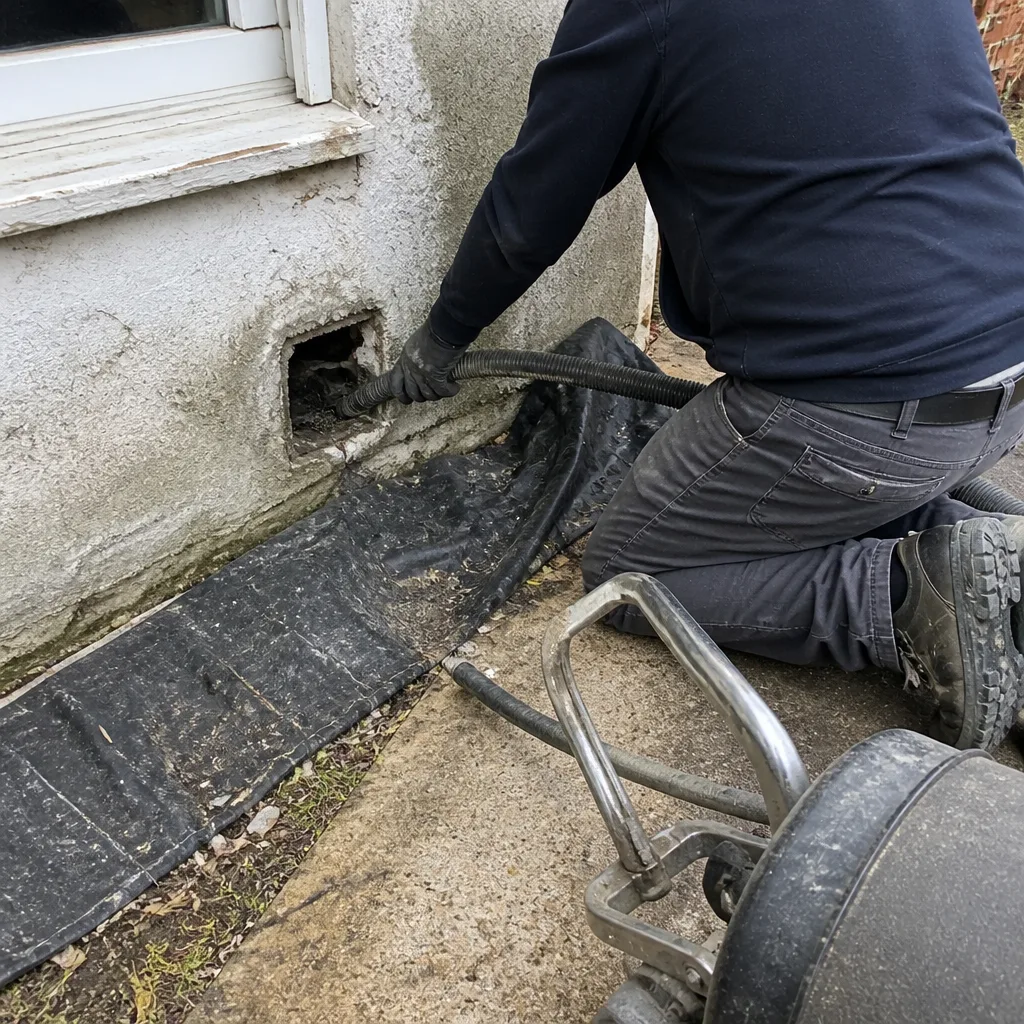 Before
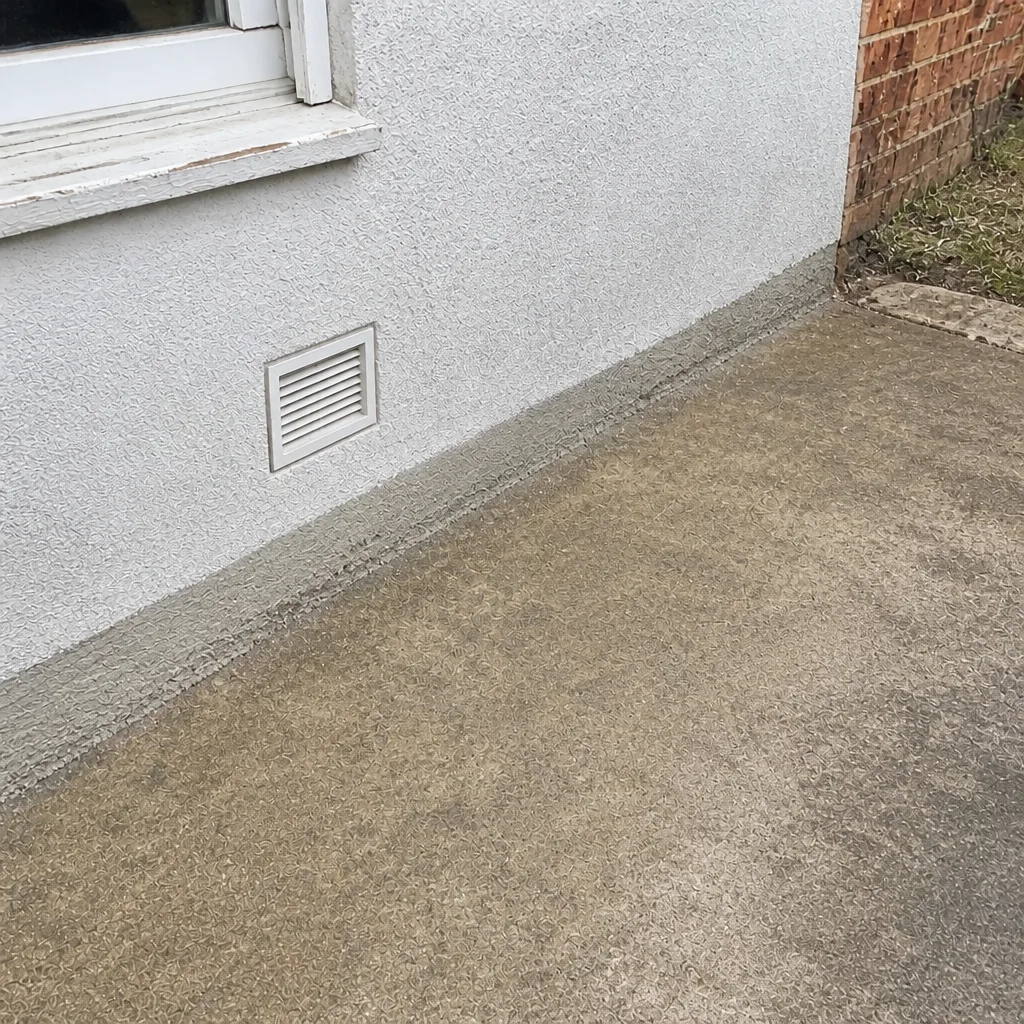 After
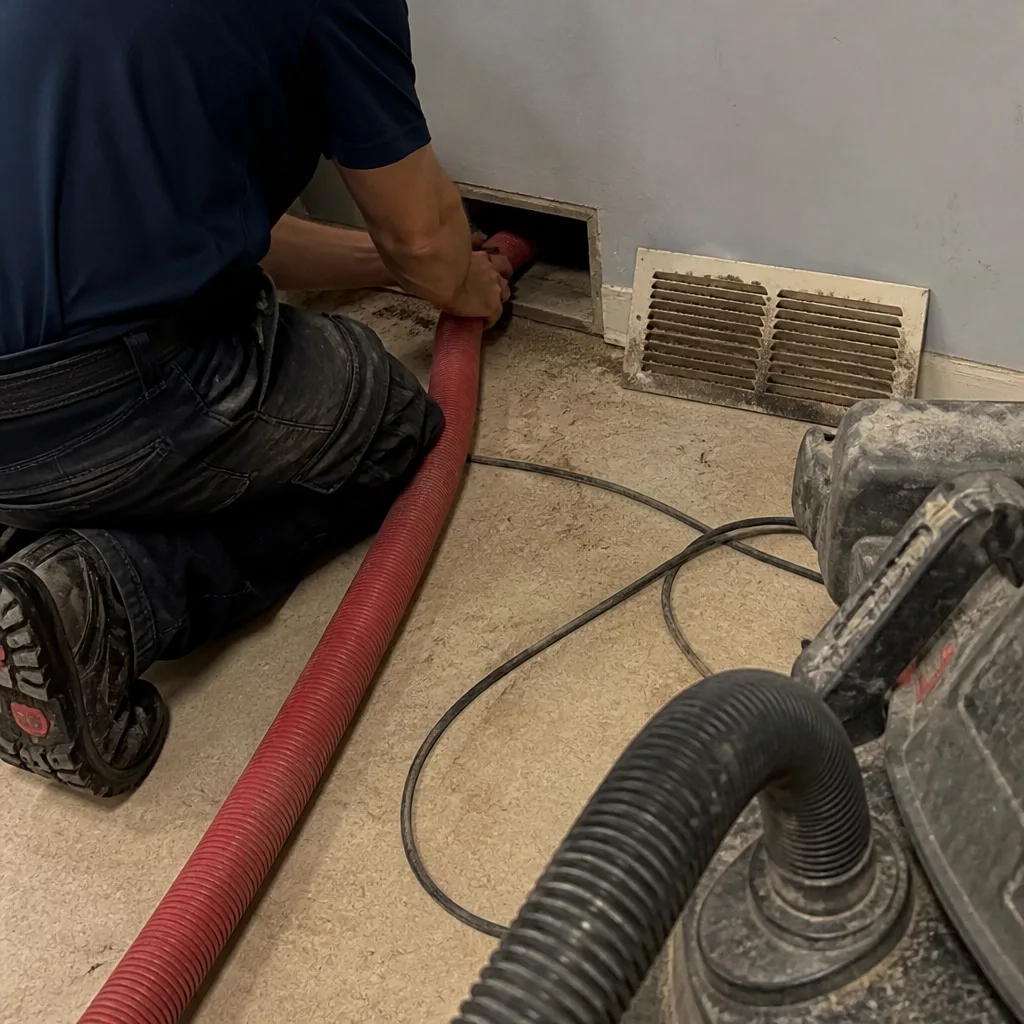 Before
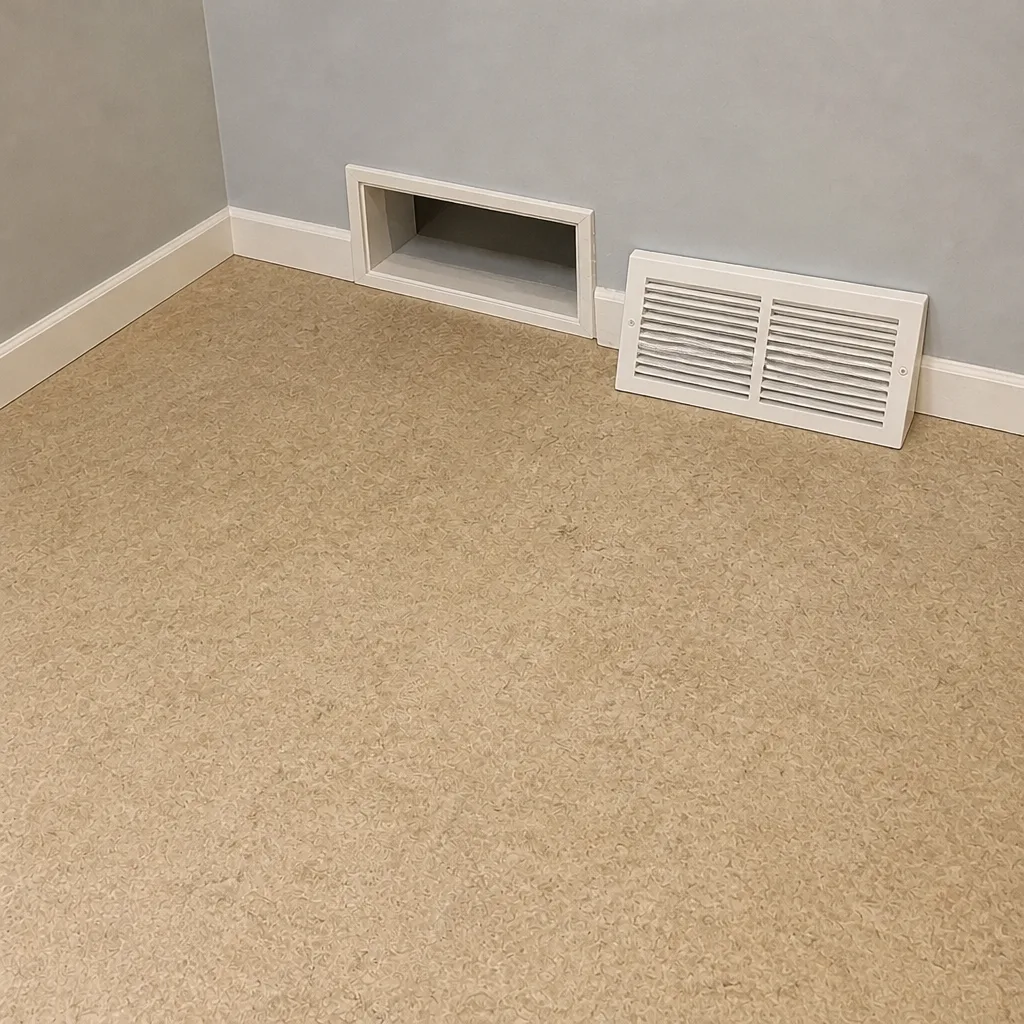 After
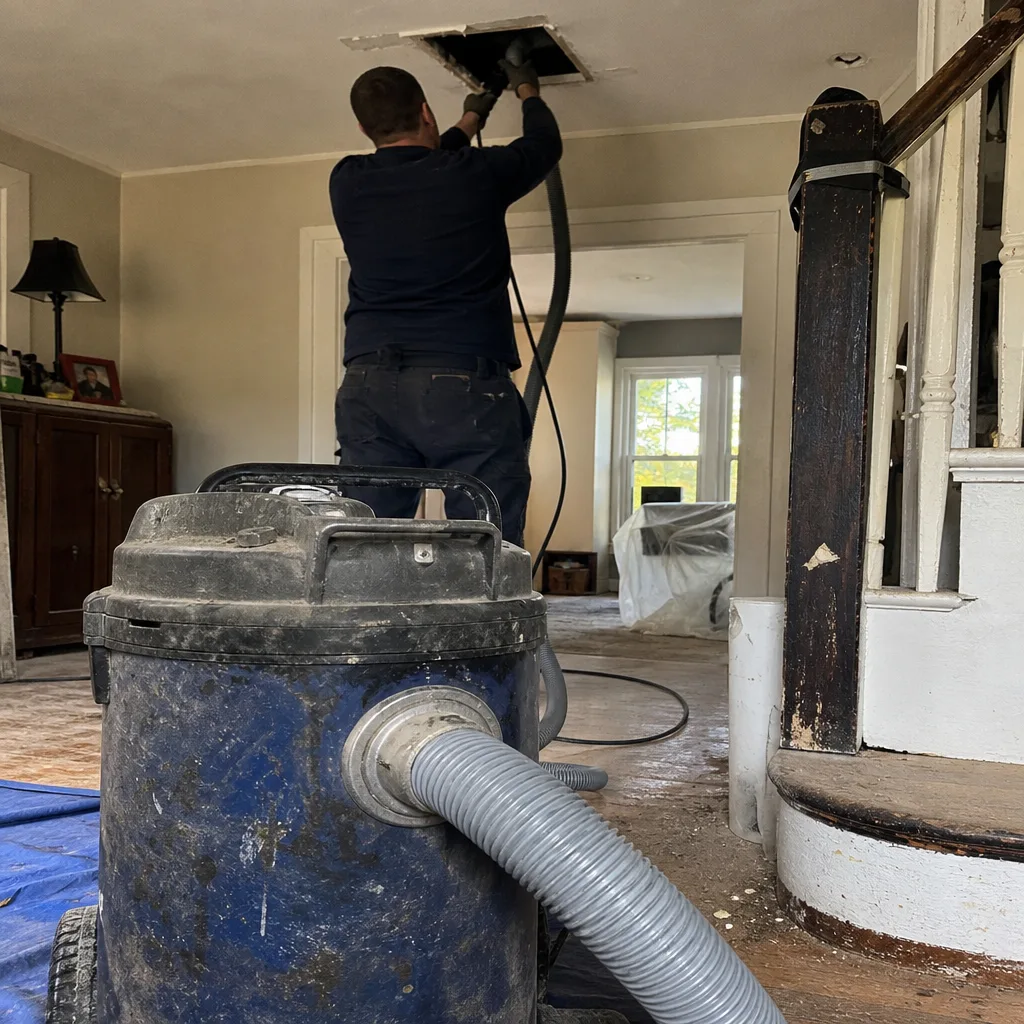 Before
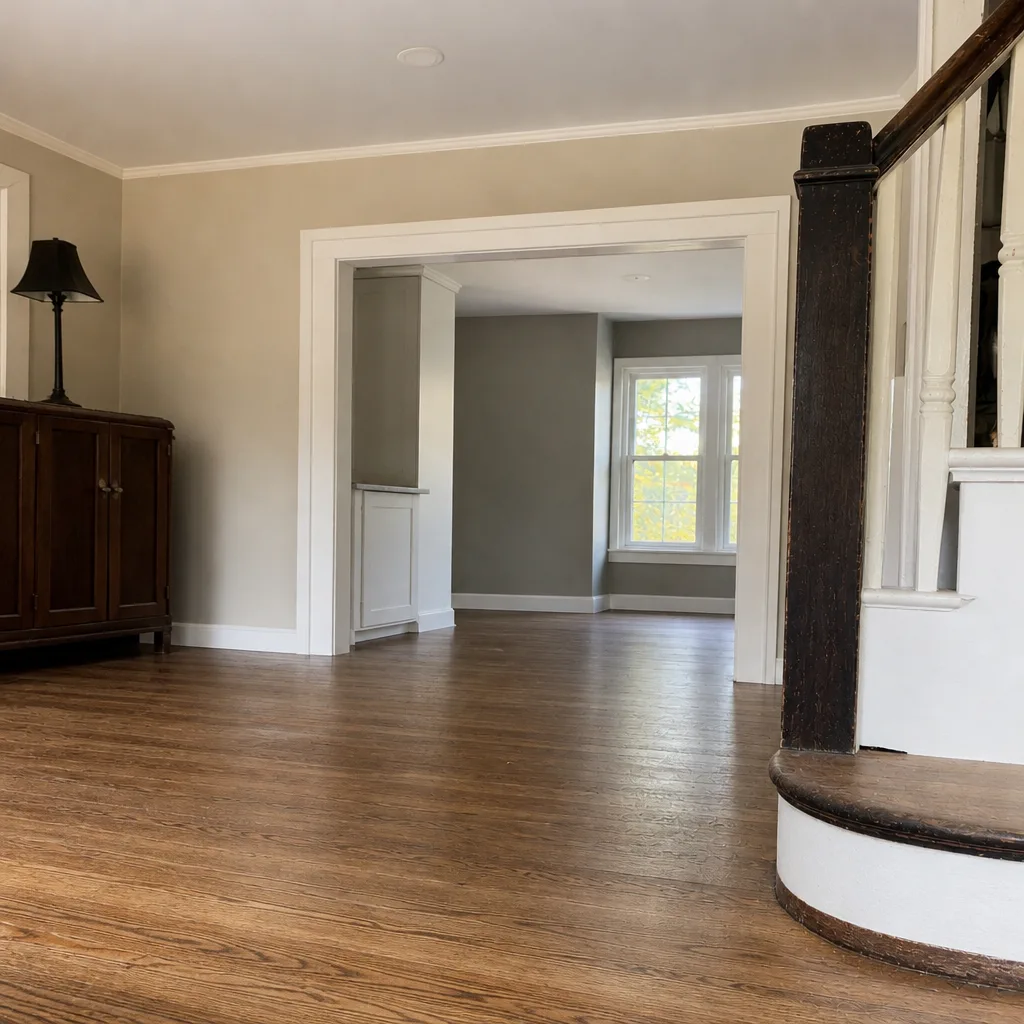 After
When to Call a Professional
Some duct issues are inspection questions. Others are clear signals that professional eyes are needed. Call a professional when you notice inconsistent airflow between rooms in the same house, a persistent musty smell that returns after cleaning the vents yourself, or visible dust streaking at registers that reappears within weeks. These suggest contamination in the ducts or return paths, not surface dust. Call too if you’ve never had the system inspected, or if you’ve bought a rowhouse in Oxford Circle without knowing its duct history. Ductwork this old carries accumulated condition that only inspection can reveal. And if any part of the system involves the electrical panel, gas connections, or work at height, leave it to a trained professional. Air Duct Cleaning Oxford Circle offers free estimates in Oxford Circle. Call (833) 498-1334 to start with an inspection.
Frequently Asked Questions
Air duct cleaning in Oxford Circle is priced per system by a written estimate, not by a coupon or a flat fee, because the cost depends on the number of runs, the number of returns, and what the inspection finds. A straightforward cleaning on a smaller rowhouse system is priced differently than a full-system job with HVAC component cleaning and sanitizing. The written estimate sets the final price, so you know the number before the work begins. Call (833) 498-1334 for an exact quote – estimates are free.
The clearest way to know is a camera inspection showing the same duct locations before and after cleaning, plus airflow readings taken before and after. Ask for those images and numbers. If the crew can’t show you the interior condition after the job, you can’t tell a source-removal pass from a contact-vacuum pass. A provider working with Rotobrush, Nikro, and containment equipment has the capability to document it. Call (833) 498-1334 to see what documentation comes with a free estimate.
Cheaper quotes usually mean the crew is using contact vacuum cleaning, not source removal, or skipping parts of the system like the return side, the HVAC components, or verification. Those shortcuts cut cost because less work is being done, not because the price has been negotiated down. A quote that doesn’t include a full-system inspection, containment, and post-cleaning verification isn’t the same job at a lower price. Ask what method and what scope the quote covers. Call (833) 498-1334 for a written estimate that spells out the scope.
For a typical Oxford Circle rowhouse, cleaning is due when the inspection shows it’s due, not on a fixed 3-to-5-year schedule. Urban soot and diesel particulate here do accelerate fouling compared to suburban neighborhoods, and basement return paths in rowhouses collect more than a ceiling-return system would. Regular camera inspection tells you the system’s actual condition, and cleaning is timed to that. Call (833) 498-1334 to schedule an inspection before choosing a cleaning date.
Sometimes it does, and sometimes the culprit is elsewhere. Musty smells tend to trace back to moisture in a basement or party-wall environment, and heavy allergen loads often trace back to under-filtered air. Cleaning removes accumulated particulate and microbial buildup, and sanitizing treatment addresses biological concerns found during inspection. Filtration upgrades make sure the system stays that way. If the root cause isn’t inside the ducts, the inspection identifies it. Call (833) 498-1334 for a free estimate that starts with diagnosis.
Same-day service is available when our schedule allows, and we answer the phone 24/7 with fast dispatch from 7am to 7pm. A call outside dispatch hours is booked into the next opening, Sunday through Friday. For same-day availability, call early in the day. Call (833) 498-1334 for a free estimate and the earliest available appointment. We answer 24/7. Fast dispatch from 7am to 7pm.
The Bottom Line
Duct cleaning in Oxford Circle shouldn’t follow a timer imported from suburban homes. The pre-1960 rowhouses here need a diagnostic approach: inspect the system, document what’s inside, and decide based on evidence. That means checking basement return paths, confirming the method is source removal and not contact vacuum, closing the loop with repair and sealing, and verifying the result with camera inspection and airflow readings. Urban particulate adds urgency but not guesswork. When cleaning is done with the right equipment and verified afterward, the work holds up. When it isn’t, it’s money for a promise. Call (833) 498-1334 for a free estimate, or visit Air Duct Cleaning Oxford Circle to learn about the full-system scope.
Written by the team at Air Duct Cleaning Oxford Circle.