
Last updated November 22, 2026
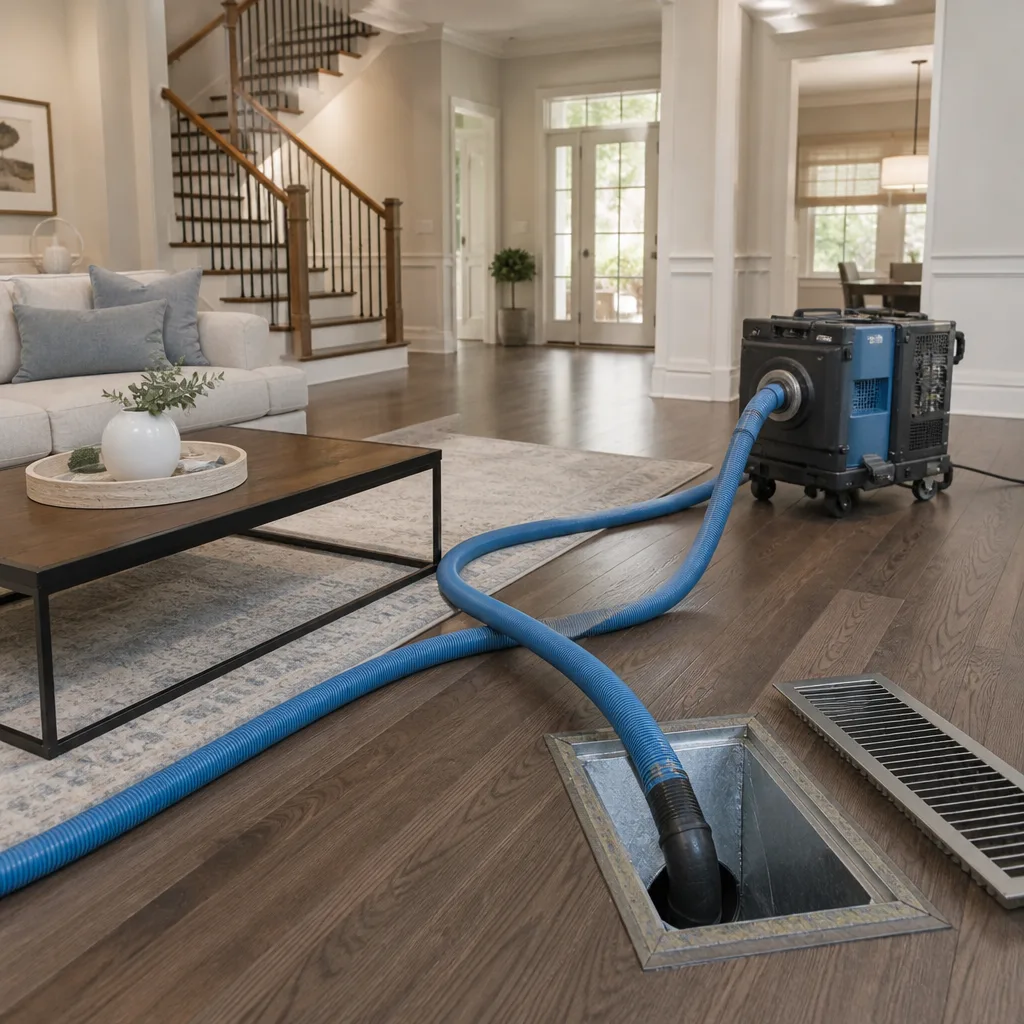 Whole-home duct cleaning
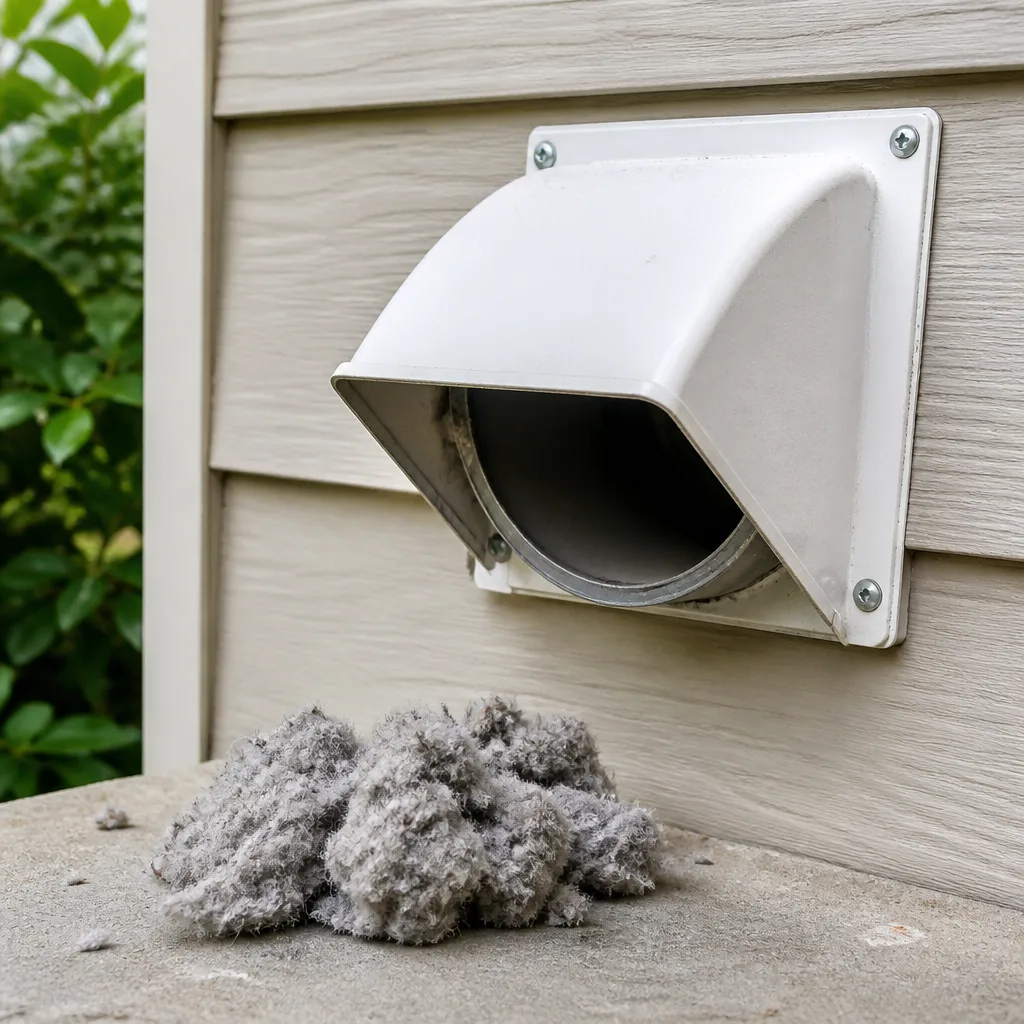 Dryer vent cleaning
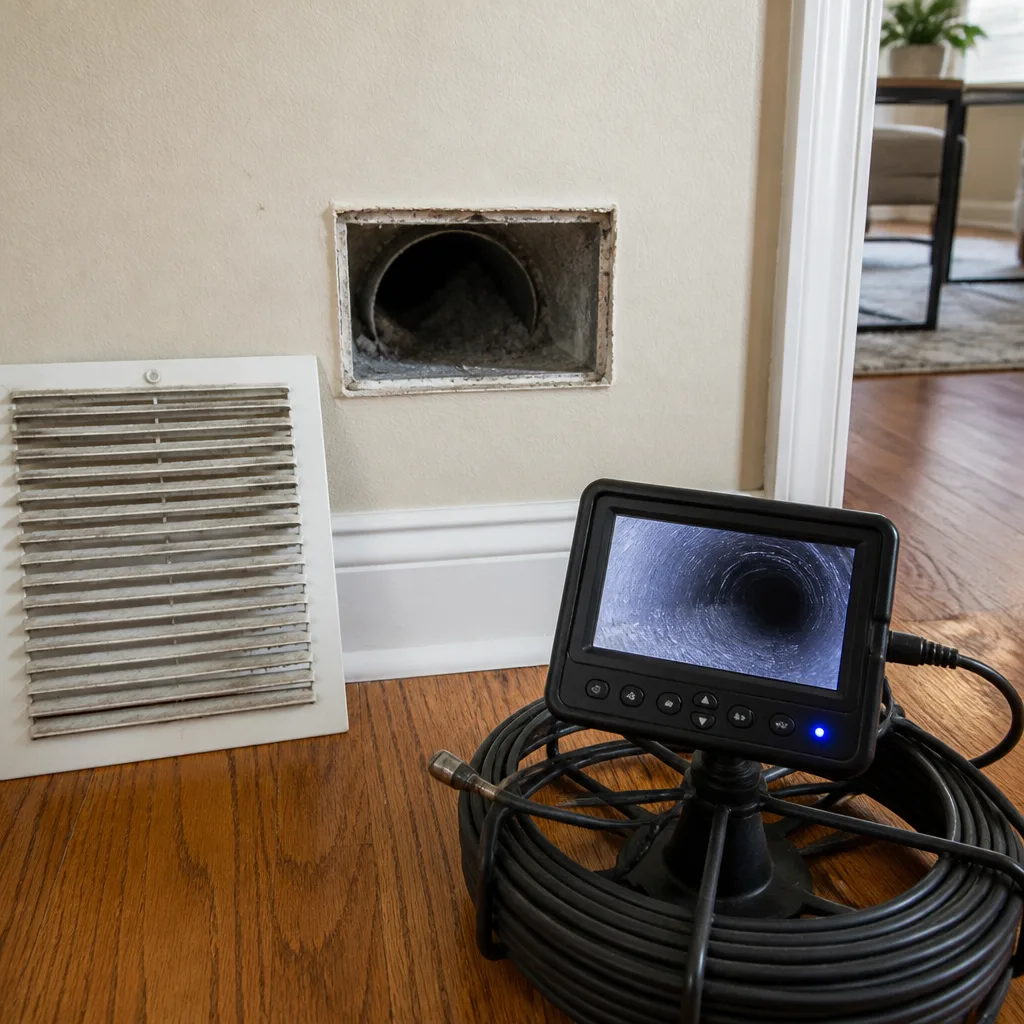 Camera inspection
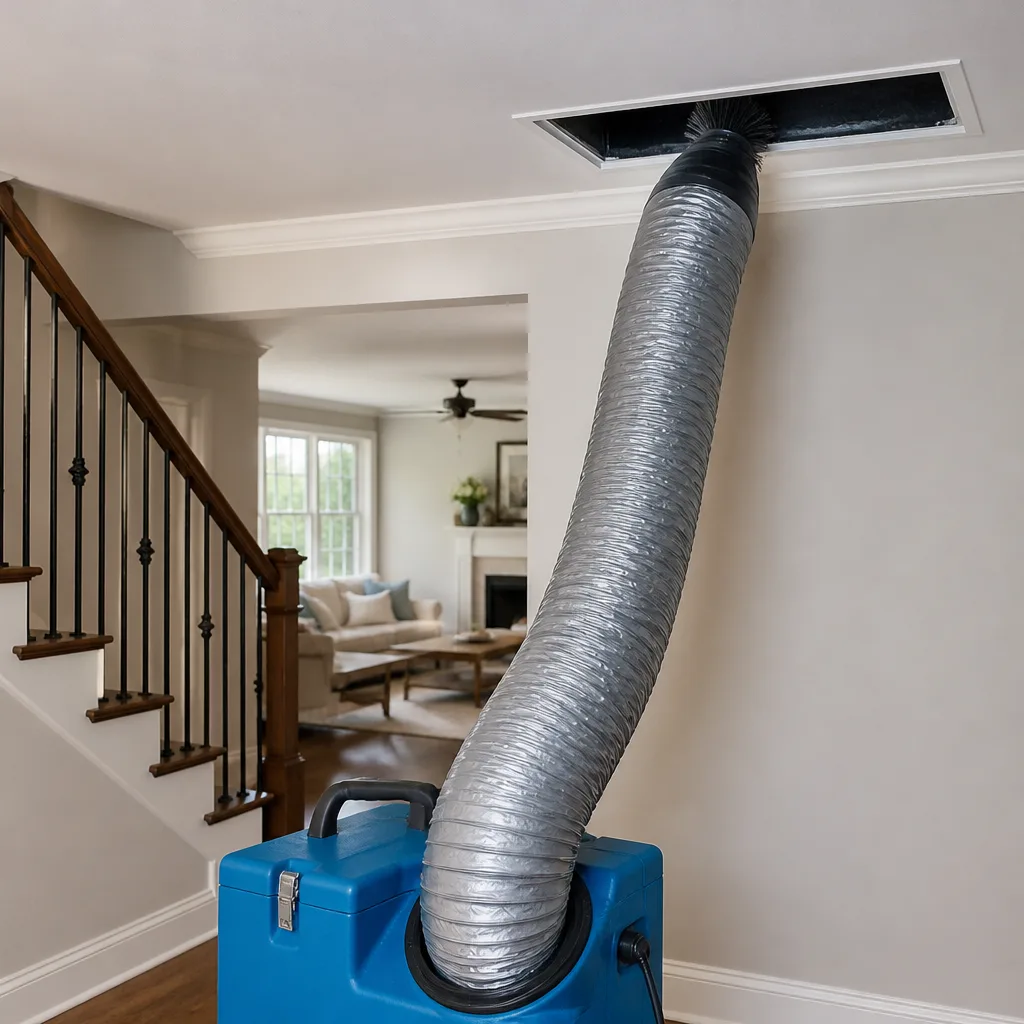 Sanitizing & deodorizing
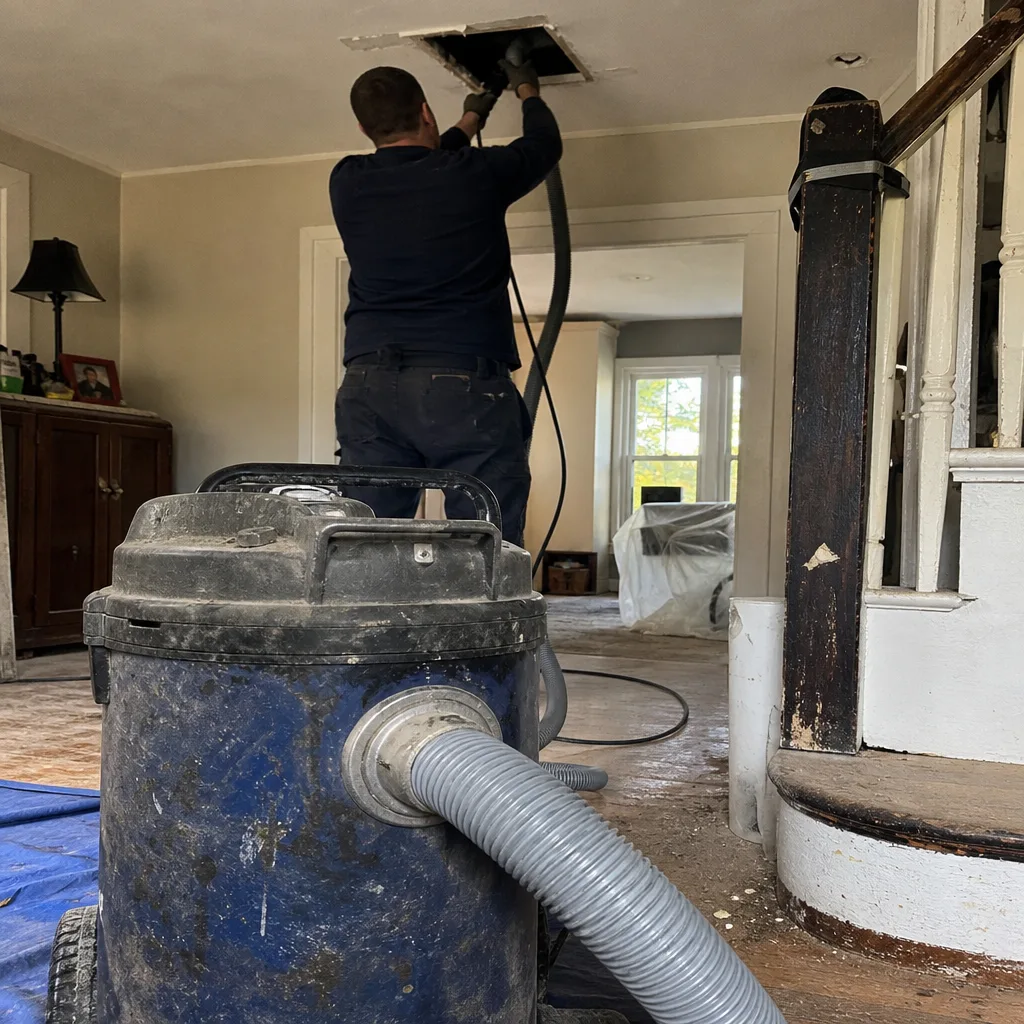
Whole-system duct and dryer vent check with before-and-after photos - you see exactly what came out of your vents
That "$99 whole-house special" is a bait ad - the real number appears once they are in your hallway, or the "clean" is a shop-vac at the register. We photograph the inside of your ducts before and after instead.
Air Duct Cleaning Emergency Preparedness Guide for Oxford Circle Homes
Most homeowners in Oxford Circle think of duct problems as a slow-burn issue: a little dust, a bit of mustiness, something to schedule eventually. Here’s what that thinking misses. After a sewer backup, a basement flood, or a rodent infestation, your ductwork is compromised regardless of when it was last cleaned. And running the HVAC system to “dry things out” is the fastest way to spread that contamination through every room in the house. A duct emergency isn’t a dramatic event. It’s any situation where contamination, blockage, or damage to the air pathway creates an immediate risk to your health or your system, and you need to know exactly what to do in the first few hours. This guide gives you that framework: the four scenarios that demand shutdown, the correct order of steps, what to document for your insurer, and how remediation differs from a routine air duct cleaning. We’re writing from Oxford Circle, where the housing stock and storm patterns make some of these scenarios more likely than you’d expect.
Quick Answer
A duct emergency means shutting off your HVAC system immediately when water, rodents, smoke, or hazardous chemicals enter the air pathway, then calling for a professional assessment before you run the system again. Do not use the HVAC fan to dry a flooded basement or air out smoke. In Oxford Circle, the most common trigger is basement flooding during heavy rain pushing water into return duct openings. Call (833) 498-1334 for a free estimate on assessment and remediation. We answer 24/7. Fast dispatch from 7am to 7pm, Sunday through Friday.
Styles & brands we work with
- Whole-home duct cleaning
- Dryer vent cleaning
- Camera inspection
- Sanitizing & deodorizing
Table of Contents
- The Four Duct Emergencies That Require Immediate Shutdown
- How to Shut Down and Isolate Your HVAC System Safely
- Water Intrusion and Basement Flooding in Oxford Circle
- What to Document After a Duct-Impacting Event
- Rodent Activity and What It Means for Your Ductwork
- Smoke, Soot, and Chemical Spills Near Return Grilles
- Emergency Duct Remediation vs. Standard Cleaning
- How Oxford Circle Homeowners Can Prepare Before an Emergency
The Four Duct Emergencies That Require Immediate Shutdown
Not every dirty duct qualifies as an emergency. These four do, and each one shares a common trait: continuing to run the system actively makes the problem worse, often within minutes.
1. Water intrusion into return ducts. Water in a return duct is not a minor leak. It wets insulation, creates a growth medium for mold, and, if the blower pulls it up into the air handler, can damage electrical components. If you see standing water near a return grille or water stains radiating from a duct seam, treat it as an emergency.
2. Confirmed rodent activity in ductwork. Droppings, nesting material, gnawed flexible duct, or a live animal in a return line all qualify. Rodent waste carries pathogens, and gnawing can open gaps that pull unconditioned attic or crawlspace air straight into your living space. A licensed professional should confirm the scope before you run the system again.
3. Smoke or soot contamination from a fire event. Even a small kitchen fire can coat the inside of your ductwork with soot that smells acrid every time the system runs. Soot particles are fine enough to pass through standard filters, and smoke residue often carries a persistent odor that only professional cleaning removes.
4. Chemical or biological spill near a return grille. Paint, solvent, pesticide, or any biological spill close to a return deserves immediate shutdown. Running the fan turns a contained spill into whole-home exposure, and the contamination can settle deep into the system where household cleaning won’t reach it.
When any of these happens, the plan is the same: stop the system, contain the area, and call for a professional assessment. If you need broader system work after the acute event, our HVAC cleaning service handles the components around the air handler and coils as part of the follow-up.
How to Shut Down and Isolate Your HVAC System Safely
The correct sequence matters, and it takes about five minutes. Work in this order:
- Turn off the thermostat completely. Set it to “off,” not just the temperature down. This stops the blower from circulating air through the compromised system.
- Cut power at the breaker. At your electrical panel, switch off the dedicated circuit feeding the furnace or air handler. If you can’t identify the breaker, don’t experiment; leave the thermostat off and let a professional handle it. Electrical panels are dangerous, and we’d rather you leave them to someone trained.
- Turn off the gas supply if you have a gas furnace and suspect water or fire damage. The gas valve is typically on the supply line near the unit. A gas leak is a serious hazard; if you smell gas, leave the house and call your gas utility from outside before doing anything else.
- Close return grilles or cover them. If water is actively entering a return, block it with towels or plastic sheeting taped over the grille to slow migration into the duct interior.
- Do not run the central fan, “fan-only” mode, or a portable fan to dry the space. Any air movement pulls contamination out of the ducts and into the rooms.
- Note the time and take photos. More on documentation in the next sections.
Once the system is down and contained, call for professional assessment. We answer 24/7, and a call outside dispatch hours is booked into the next opening, Sunday through Friday, 7am to 7pm. Fast dispatch from 7am to 7pm.
Water Intrusion and Basement Flooding in Oxford Circle
Oxford Circle’s older rowhouse blocks sit on clay soil and often tie into aging clay sewer infrastructure, and heavy summer rain events regularly test both. When a basement takes on water, the return duct system is frequently the first interior feature it reaches, because returns often run low, and in many Oxford Circle basement setups they terminate in floor or low-wall openings. Water tracking across a basement floor finds those openings fast.
What makes this a duct emergency rather than a just-a-wet-basement problem is where the water goes next. Even a few inches of standing water can wick into duct insulation, and once the system is turned back on, that moisture is carried through the house as humid air that feeds mold growth in the ducts and at the registers. The telltale signs after a flood are musty odor from the vents, condensation on supply registers, and a sudden spike in allergy or asthma symptoms in the household.
Several Oxford Circle-specific factors raise your risk:
- Older rowhouses with full basements that have never had a perimeter drain installed.
- Return duct systems that run through, or open into, the basement space.
- Blocked or aging storm drainage along shared rear alleys, where water has only one direction to go during a downpour.
- Finished basements where supply registers sit low on the wall, right in the water’s path.
If water reached a return or a low supply register, shut the system down using the steps above and call for assessment before restarting it. A licensed professional can test for moisture in the duct interior and recommend whether cleaning, sanitizing, or partial duct replacement is needed. Our Air Duct Cleaning Oxford Circle team diagnoses the whole pathway before recommending work, so you’re not paying for a clean on ductwork that actually needs to be dried and treated.
What to Document After a Duct-Impacting Event
Insurance adjusters respond to specifics, and the first two hours after a duct-impacting event are when the best evidence still exists. Gather this before you clean anything up:
- Photos of the water line or contamination source. Shoot wide shots showing the room and the cause, then close-ups of the affected grille or duct opening. Include a shot with a ruler or common object for scale.
- Timestamps on everything. Most phone cameras stamp automatically, but confirm it. If you have a separate camera, note the date and time in writing.
- HVAC runtime records. If you use a smart thermostat, pull the usage history for the days around the event. It shows whether the system ran after the contamination started and for how long.
- The service history of your system. The date of your last duct cleaning, filter changes, and any recent HVAC service help the adjuster assess prior condition.
- Written notes on the sequence of events. When you noticed the problem, when you shut the system down, and who you called. A timeline assembled the same day holds up better than a reconstruction a week later.
- The inspection report and estimate from your duct professional. This becomes the core of the claim. A thorough report with photos from inside the ductwork is worth far more than a verbal opinion.
Keep all of this together in one folder, physical or digital. And read your policy before the adjuster arrives so you understand what your coverage actually says about water intrusion and duct cleanup, since policies vary widely.
Rodent Activity and What It Means for Your Ductwork
Mice and rats use ductwork for the same reasons they use wall cavities: warmth, shelter, and easy routes through the house. In Oxford Circle’s dense rowhouse blocks, a rodent problem in one home often appears in a neighbor’s within weeks, and duct runs between units make the pathway even easier.
The signs that rodents have entered the ducts are fairly consistent: scratching or scurrying sounds when the system starts, droppings near return grilles, a musky odor that gets stronger when the HVAC runs, and, in severe cases, gnawed openings in flexible duct visible from the basement or attic. Flexible duct in particular is vulnerable to chewing, and a single gnawed hole lets your system pull crawlspace or attic air directly into the living space.
If you confirm or strongly suspect rodent activity in the ductwork, here’s the order of operations:
- Shut down the HVAC system so you don’t distribute droppings or dander through the home.
- Call a pest control professional first to eliminate the infestation. Cleaning ducts while animals are still present just means they re-contaminate the system.
- Once the pest issue is resolved, have the ducts cleaned and inspected for damage, and repaired or sealed where needed.
- Sanitize the system to address any residual biological contamination.
This is where full-pathway service matters. If the pest company handles the infestation and a separate cleaner handles the ducts, nobody confirms whether the ducts were damaged. Our duct repair and sealing work closes that gap, because a cleaned system with a gnawed hole in it is still compromised. We use Abatement Technologies negative-air and HEPA equipment to contain particulate removal during this kind of work, so contamination stays captured instead of floating through the house.
Smoke, Soot, and Chemical Spills Near Return Grilles
Smoke and chemical contamination behave differently from water or pests. They’re invisible in small amounts, they settle into duct surfaces, and they reactivate every time the HVAC runs. That’s why the smell of a fire “comes back” weeks after the event: the ducts are holding residue the room cleaning missed.
If your home has had a fire event, even a contained kitchen fire, shut down the HVAC and leave it off until a professional inspects the ductwork. Soot particles are fine enough to pass through standard filters and deposit on surfaces throughout the house. Professional remediation uses HEPA-filtration equipment and, where needed, chemical sponges and encapsulated cleaning methods to remove the residue rather than just blowing it around.
Chemical spills follow the same rule. If a solvent, paint, pesticide, or fertilizer spilled near a return grille and some of the material got pulled into the system, shut it down and call for assessment. The same goes for biological spills or a long-standing mold issue near a return; the air quality service we offer addresses mold spores, allergens, and volatile organic compounds at the system level, using sanitizing agents that are safe for duct interiors and compatible with your HVAC components.
The general rule is simple: if you can smell it when the system runs, it’s in the ductwork, and it’s worth an inspection. One of the biggest blind spots in the industry is a cleaned duct system with leaking seams or gaps. Our duct repair and sealing work repairs those weak points so the cleaning stays effective. We use professional equipment from Nikro and Rotobrush for mechanical cleaning and Abatement Technologies for containment.
Emergency Duct Remediation vs. Standard Cleaning
Emergency remediation and routine cleaning look similar from the driveway. Behind the equipment, they’re different jobs.
A standard cleaning is a scheduled, whole-system service: source removal of dust, debris, and buildup from supply and return ducts, registers, and the air handler area, usually with a visual inspection to confirm results. It’s about maintenance.
Emergency remediation is a response to a specific contamination event. The scope goes further:
- Containment first. Negative-air equipment isolates the affected zone so contaminants aren’t spread to clean areas during removal.
- Assessment and moisture testing. We identify exactly where water or contamination reached and whether any duct sections need replacement rather than cleaning.
- Biological treatment. Sanitizing is part of the scope, not an add-on, since the event introduced pathogens or mold spores.
- Repair and sealing. Any holes, separated seams, or gnawed flexible duct are fixed before the system goes back into service.
- A written report. Photos from inside the ducts before and after, plus findings on what was found, what was removed, and what needs follow-up. This report is often what your insurer needs.
Typical timelines: an assessment usually happens within a few days of your call, and the remediation work itself is typically scheduled shortly after the inspection report is reviewed. We answer 24/7, and a call outside dispatch hours is booked into the next opening, Sunday through Friday, 7am to 7pm. Fast dispatch from 7am to 7pm.
How Oxford Circle Homeowners Can Prepare Before an Emergency
You can’t prevent a sewer backup or a kitchen fire. You can shorten the recovery. A few practical preparations make the difference between a contained event and a system-wide contamination:
- Know your breaker panel. Label the circuit that feeds your furnace or air handler now, before you need it in a hurry.
- Locate your return grilles. Walk your basement and note any return grille or duct opening that sits at floor level. In Oxford Circle basements, these are usually the first thing water reaches.
- Keep a moisture meter and a camera handy. A basic moisture meter tells you whether a basement wall or duct area is still damp after flooding, and your phone camera is your best documentation tool.
- Change your filters on schedule and inspect them after any event. A wet or soiled filter is a sign contamination got into the system.
- Schedule an annual inspection. Every-dryer-vent-and-duct inspection catches damage before a small issue turns into a full shutdown. If you’re due for a check, dryer vent cleaning is also worth bundling, since a clogged dryer vent is its own fire risk, separate from any duct contamination.
- Save our number. (833) 498-1334. We answer 24/7. Fast dispatch from 7am to 7pm, Sunday through Friday.
If you’re concerned about long-term air quality, we also work with Honeywell and Aprilaire filtration products, so we can recommend whole-home filtration upgrades at the same visit as the cleaning. That’s the difference between responding to contamination and reducing how much of it your family breathes between events.
Common Mistakes to Avoid
- Running the HVAC fan to dry a flooded basement. This is the single most common mistake, and it distributes moisture and contamination through every room in the house. Shut the system down first, dry the space with separate equipment.
- Assuming a recent cleaning means you’re covered. In Oxford Circle, water can reach a return duct six weeks after a routine cleaning. The cleaning date doesn’t matter once a contamination event occurs. Shut it down and have it re-inspected.
- Cleaning up before documenting. Insurance adjusters need photos and timestamps from before the cleanup. Take the documentation steps before you reach for the mop.
- Letting the pest control company and the duct cleaner work separately. If nobody owns the full pathway, nobody confirms the ducts weren’t damaged by the rodents. Use one professional who handles cleaning, repair, and sanitizing.
- Ignoring the smell after a small fire. A faint smoke odor that returns every time the heat runs means soot is still in the ducts. It won’t clear itself.
- Restarting without a moisture check. Turning the system back on when duct insulation is still damp feeds mold growth. Confirm the ducts are dry before you resume normal operation.
- Hiring a “coupon” crew for remediation. Emergency work with contained, HEPA-filtered particulate removal takes time and equipment. A low-ball offer on a contamination job usually means some of the scope will be skipped.
See the difference
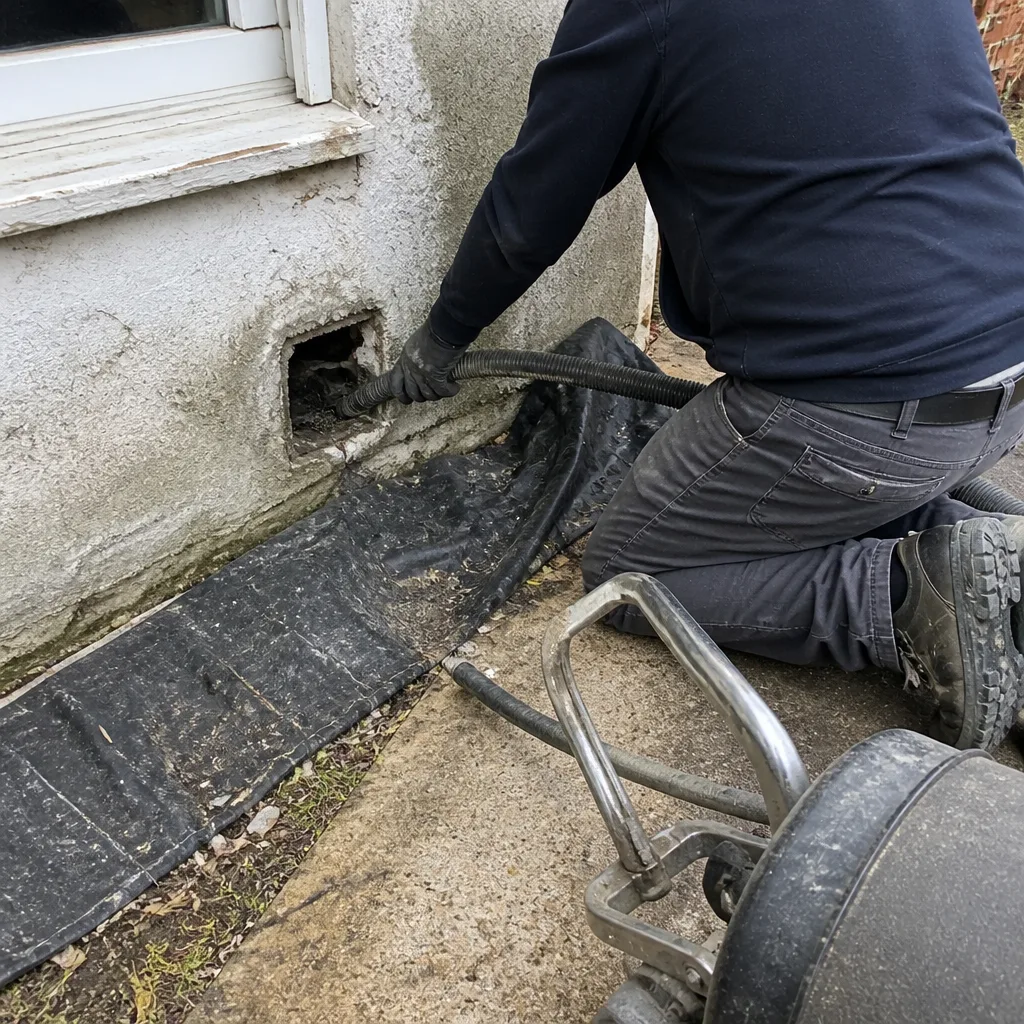 Before
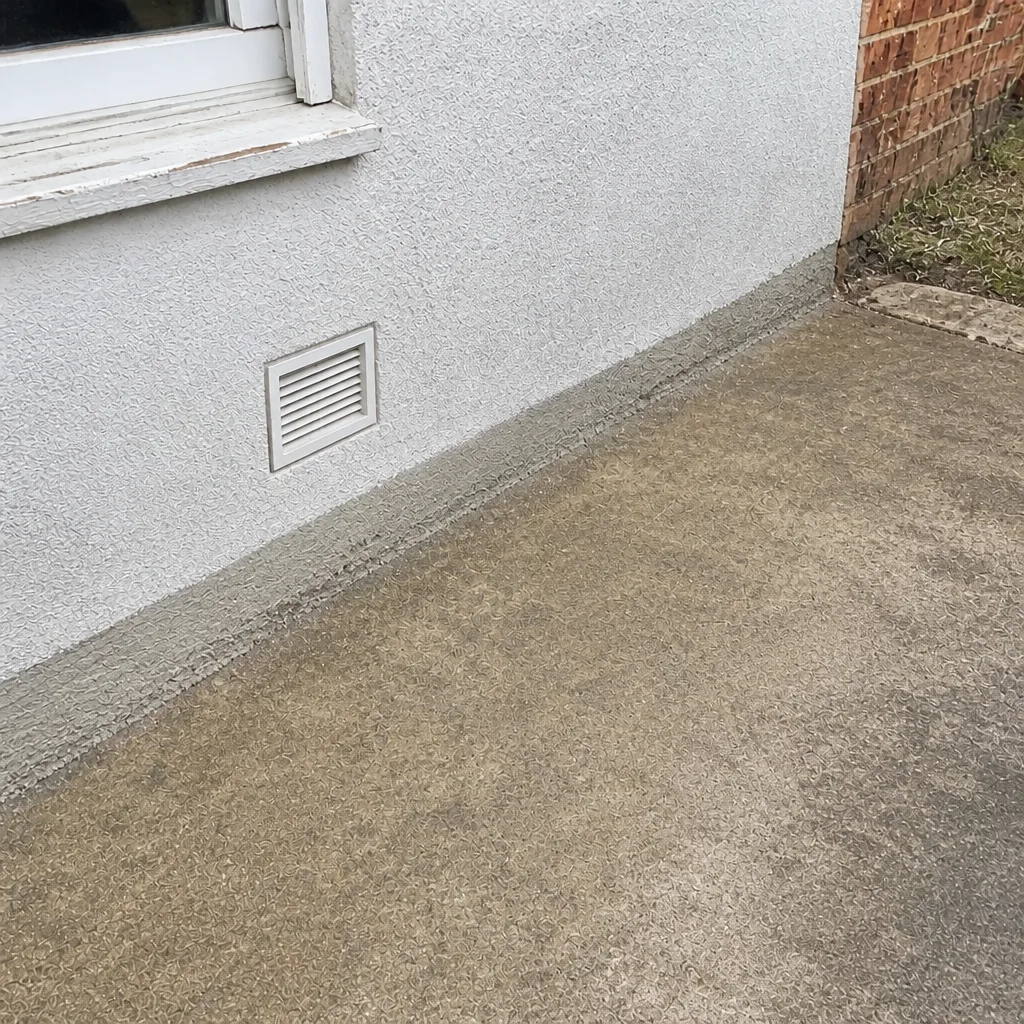 After
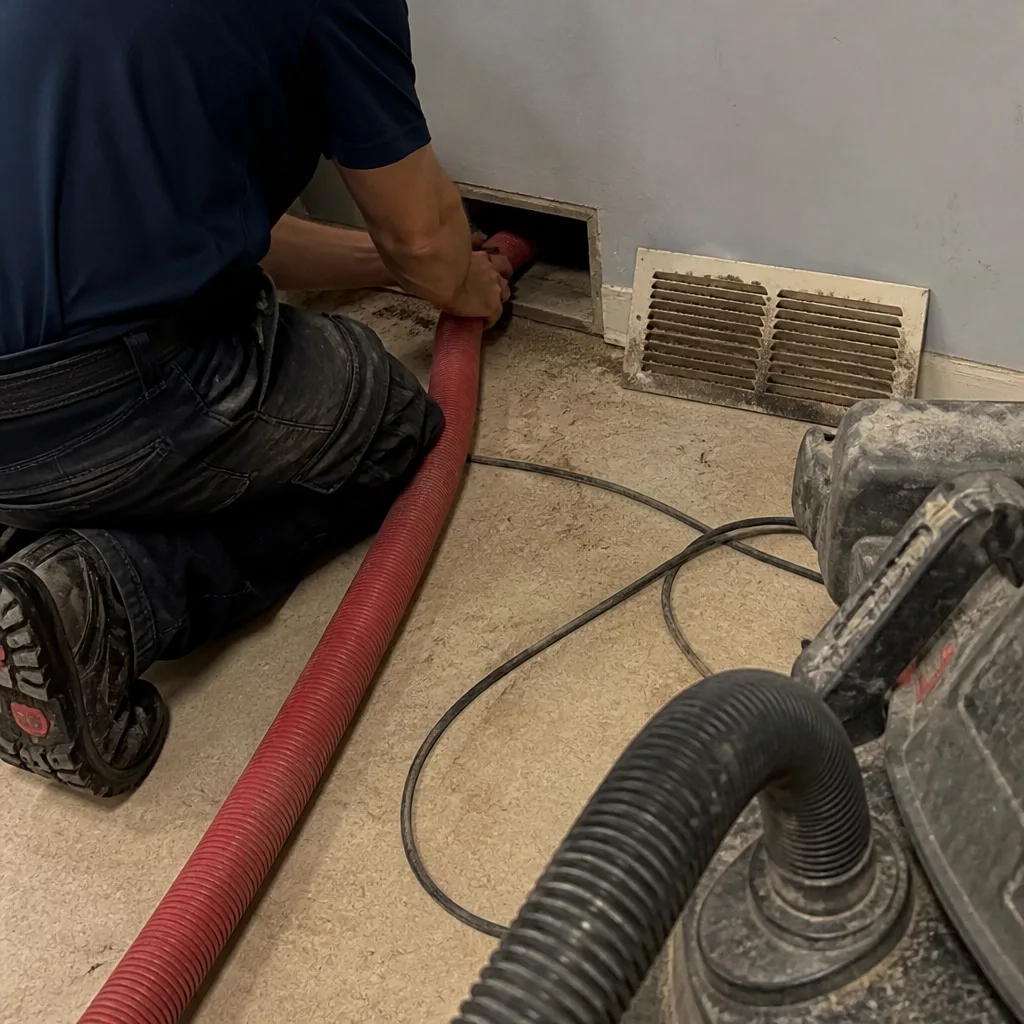 Before
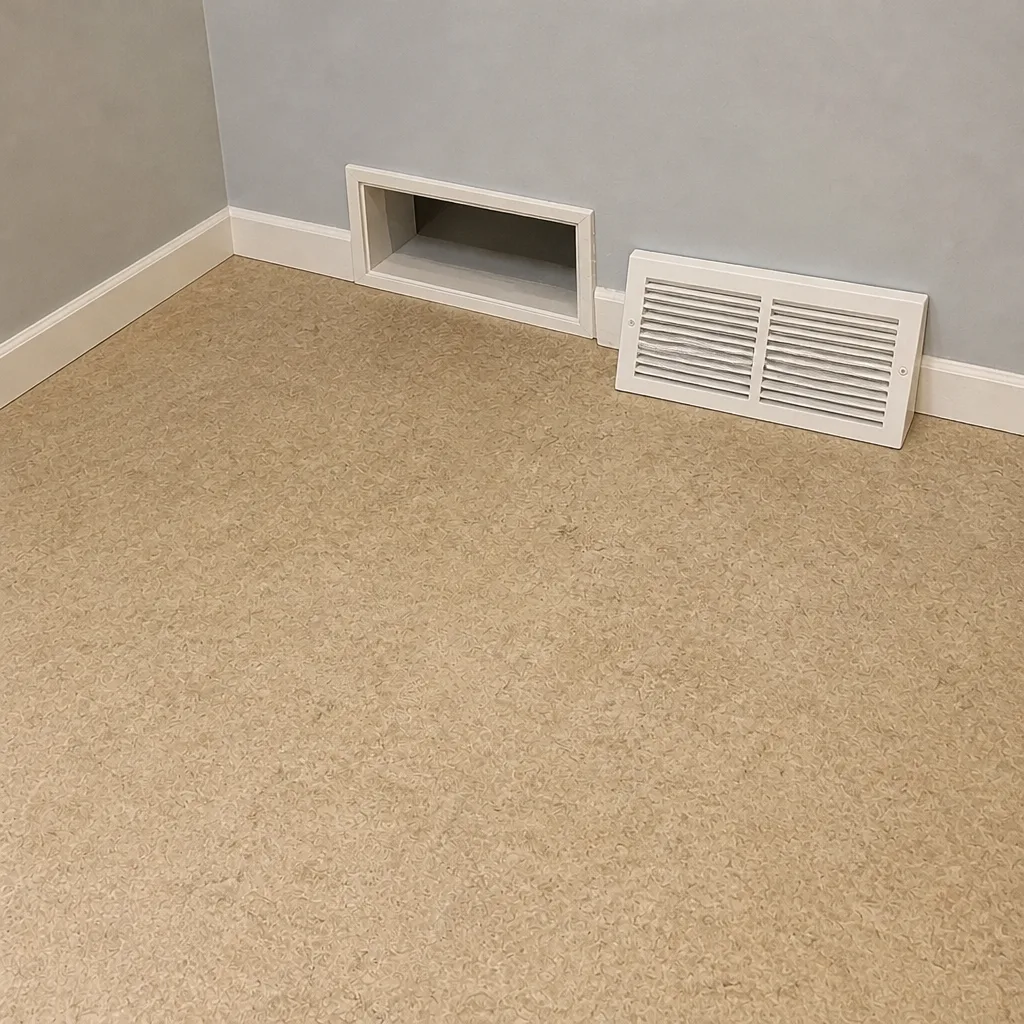 After
 Before
 After
When to Call a Professional
Any of the four emergency scenarios in this guide calls for professional assessment before you run your HVAC again. Water in a return duct, confirmed rodent activity, smoke or soot residue, or a chemical spill near a return grille all qualify. It’s also time to call when you notice a musty odor that intensifies when the system runs, visible mold growth near a supply or return register, condensation on vents, or a sudden spike in allergy symptoms in the household. In an Oxford Circle rowhouse, the neighbor-to-neighbor duct proximity makes getting ahead of these issues more urgent. Air Duct Cleaning Oxford Circle offers free estimates in Oxford Circle: call (833) 498-1334. We answer 24/7. Fast dispatch from 7am to 7pm, Sunday through Friday.
Frequently Asked Questions
Not always, but frequently yes if water reaches a return duct or a low supply register. Water in duct insulation needs only a few hours to create a mold-growth environment. If you’re unsure whether water reached the ducts, shut the HVAC off and call for an assessment rather than restarting the system to test it.
No. Running the fan circulates moisture and any contamination from the duct interior through the whole house, and it can damage the blower and electrical components if water is still present. Use separate fans and dehumidifiers in the room, and have the ducts dried and inspected professionally before restarting.
Scratching sounds when the system starts, droppings near return grilles, a musky odor that intensifies with HVAC operation, and visible chew marks on flexible duct in the basement are the common signs. If you suspect it, shut the system down and call a pest professional first, then a duct professional for cleaning, repair, and sanitizing.
It typically scopes larger, because it includes containment, moisture testing, sanitizing, and duct repair in addition to cleaning. The exact price is set per job by a written estimate after the inspection, and we provide a free estimate, so you know the scope and the price before work starts. Call (833) 498-1334 for an exact quote; estimates are free.
Photos of the water line or contamination source with timestamps, your thermostat runtime records, notes on when you shut the system down, and the written inspection report and estimate from your duct professional. An adjuster needs specifics, and the report is the single most valuable document in the claim.
After, if the home has had any water event. A pre-season cleaning doesn’t help if water reaches the ducts later, so the sequence is: shut down and assess after the event, then clean, repair, and sanitize as needed. If you’re on a routine schedule, do your annual inspection in spring, then reset the schedule based on what the inspection finds.
The Bottom Line
A duct emergency is any event where contamination, water, rodents, smoke, or chemical spill enters the air pathway, and the response is always the same: shut the system down, contain the area, document everything, and call for a professional assessment before restarting. In Oxford Circle, basement flooding during heavy rain is the most likely trigger, and the mistake most homeowners make is running the HVAC fan to dry things out, which spreads the problem through the house. Emergency remediation is broader than a routine clean: containment, sanitizing, repair, and a written report are all part of the job. Prepare now, and you’ll shorten the recovery if it ever happens. Call (833) 498-1334 for a free estimate. We answer 24/7. Fast dispatch from 7am to 7pm, Sunday through Friday.
Written by the team at Air Duct Cleaning Oxford Circle.